
When to Trim Crabapple Tree: Best Time of Year

- February 27, 2026
- By Oliver Denver
So, you’ve got a crabapple tree, and you’re wondering when the best time is to give it a trim? It’s not as complicated as it might seem. Like most things in the garden, timing is pretty important. Getting it wrong can mean you miss out on flowers, or worse, stress the tree out. Let’s figure out when to trim crabapple tree so yours stays healthy and looks great.
Understanding Crabapple Tree Pruning Needs
Crabapple trees are generally pretty low-maintenance, which is good news for most gardeners. They don’t usually need a lot of heavy cutting back. The main reasons you’ll want to grab your pruning shears are to keep the tree looking good, get rid of any branches that are dead or sickly branches, and to help prevent or stop diseases from spreading. A healthy tree is a happy tree, and sometimes a little trim is all it takes. Understanding when to trim crabapple tree is key to keeping them healthy and beautiful. A healthy tree is a happy tree, and sometimes a little trim is all it takes.
Consider your pruning goals: balance, rubbing branches, or downward growth. Also, remove suckers from the base, which drain energy and can grow into different trees if grafted.
Here are some common things to look out for:
- Dead or Damaged Branches: These are obvious candidates for removal. They don’t do the tree any good and can be a spot for pests or diseases to set up shop.
- Crossing or Rubbing Branches: When branches grow into each other, they can damage the bark, creating entry points for disease. You’ll want to remove one of the offending branches.
- Water Sprouts and Suckers: These are vigorous, often vertical shoots that can clutter the tree’s structure and draw resources away from more productive parts.
Pruning involves thoughtful cuts to guide growth and maintain health, not drastic changes. Regular, light pruning is better than infrequent, heavy pruning, which can stress the tree. Help your tree thrive with proper techniques; see this guide for tips.
Keeping an eye out for signs of disease, like those that look ‘burnt’ or discolored, is also part of good pruning practice. Removing affected branches quickly can save the rest of the tree. It’s all about maintaining the tree’s overall well-being and appearance.
The Absolute Best Time to Trim Your Crabapple Tree
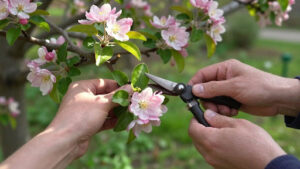
The best time to trim a crabapple tree is during dormancy, late winter, or early spring, before new leaves emerge. This timing is crucial for several reasons.
Late Winter: The Ideal Dormant Pruning Window
Pruning when to trim crabapple tree and the tree is asleep means you’re not stressing it out when it’s busy growing. Without leaves, the tree’s structure is visible, like a skeleton. This allows easy identification of dead, crossing, or crowded branches, enabling smart cuts for long-term health and addressing structural issues before spring growth.
Why Dormant Pruning is Crucial for Crabapples
Pruning during dormancy promotes healthy growth by allowing the tree to focus energy on new growth in spring, rather than healing cuts. This also prevents diseases, as wounds are less likely to get infected in cold, damp weather, keeping your crabapple healthy and blooming.
- Remove dead or damaged branches: These are easy to spot when the tree is bare.
- Address crossing or rubbing branches: Prevent wounds and disease.
- Improve air circulation: Thinning out crowded areas helps prevent fungal issues.
- Shape the tree: Make structural corrections before new growth obscures them.
Dormant pruning aids healing and directs energy to spring growth, ensuring a vibrant tree.
While late winter is ideal, suckers can be removed anytime as they drain energy. For varieties like Sargent crabapple, dormant pruning is key.
When NOT to Trim Your Crabapple Tree
While pruning is good for your crabapple, timing is everything. Doing it at the wrong time can actually cause more harm than good. It’s like trying to fix a leaky faucet when the water is still running – messy and ineffective.
Avoiding Spring and Early Summer Pruning
Avoid pruning crabapples in spring/early summer when they’re focused on growth, flowering, and fruiting. This active period makes them vulnerable to stress, reduced blooms/fruit, and pests/diseases, akin to hindering a busy worker.
- New Growth Vulnerability: Young shoots and leaves are tender and easily damaged. Pruning them off means the tree has to expend energy regrowing them.
- Sap Flow Disruption: Heavy sap flow during spring can lead to excessive bleeding from cuts, weakening the tree.
- Reduced Flowering/Fruiting: You’ll likely cut off the very buds that would have produced beautiful blossoms and tasty crabapples.
The Risks of Pruning During Flowering or Fruiting
Pruning when your crabapple is in bloom or has developing fruit is a definite no-go. The flowers attract pollinators, and the developing fruit is the point for many varieties. Removing branches at this stage ruins aesthetics and impacts the tree’s reproductive cycle.
Pruning then weakens the tree, making it prone to diseases like fire blight. Wait for a time when the tree can recover more easily; patience is key.
If unsure, wait until late winter/early spring, after frost. This clarifies the structure for cuts benefiting long-term health and appearance. See this guide for pruning basics.
Specific Reasons for Pruning Crabapple Trees
So, when to trim crabapple tree? It’s not just about making it look neat, though that’s part of it. There are some pretty solid reasons to grab your pruners, and they mostly boil down to keeping the tree healthy, looking good, and manageable.
Pruning for Health and Disease Prevention
Crabapples, like many trees, can be susceptible to diseases and pests. Removing dead, damaged, or diseased branches is like a health check-up, stopping problems from spreading and keeping the tree strong. It’s preventative care to remove sickly parts that could invite bugs or fungus.
- Dead/Dying Branches: Remove these; they harm the tree and spread disease. Use the scratch test (brown/dry bark = dead).
- Crossing/Rubbing Branches: Remove one to prevent wounds that invite disease.
- Water Sprouts/Suckers: Remove these fast-growing shoots from branches or the base; they drain energy and crowd growth.
Keeping your crabapple tree free of deadwood and overcrowded areas is key to its long-term health. It allows for better air circulation, which is a natural defense against many common fungal issues.
Shaping and Structural Pruning
Crabapples are often planted for their ornamental value, and pruning plays a role in their aesthetic appeal. You might want to shape the tree to fit a certain space or to highlight its natural form. This is where you can really make the tree a feature in your yard.
- Developing a Strong Framework: When the tree is young, pruning helps establish a sturdy main structure with well-spaced branches. This prevents weak crotches that could break later under the weight of snow or fruit.
- Improving Airflow and Light Penetration: By opening up the canopy, you allow more sunlight to reach the inner branches and improve air circulation. This helps fruit develop better and further reduces disease risk.
- Correcting Unwanted Growth: Sometimes branches grow in awkward directions, or you might want to encourage growth in a particular way. Pruning helps guide the tree’s development.
Managing Size and Overcrowding
Crabapples can get pretty big if left unchecked. Pruning helps keep them at a more manageable size, especially if you have limited space or if the tree is growing too close to buildings or other plants. It also prevents branches from becoming too dense, which, as we’ve mentioned, can lead to disease.
- Reducing Overall Size: If the tree is getting too large for its location, you can prune it back to control its height and spread. This is usually done by cutting back to a smaller side branch.
- Preventing Overcrowding: As the tree matures, branches can start to grow into each other. Removing some of these branches creates space, allowing the remaining ones to grow without competition.
- Clearing Lower Branches: Sometimes branches grow too low, making it difficult to walk underneath or mow the lawn. These can be trimmed up to provide clearance.
Essential Tools and Techniques for Trimming
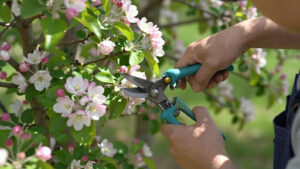
To trim your crabapple tree, gather the right gear. You’ll need pruning shears for small branches, bypass loppers for those up to an inch thick, and a sharp pruning saw for larger ones. Clean cuts help the tree heal.
When you’re out there with your tools, keep these things in mind:
- Remove suckers from the base. Address crossing branches by removing the less healthy one. Thin crowded areas for light and air. Cut dead or damaged limbs back to healthy wood. This ensures good air circulation and light penetration, crucial for preventing fungal diseases and promoting healthy growth.
The goal is to make clean cuts that the tree can easily seal up.
Sculpt, don’t destroy. Reveal the tree’s beauty and structure by removing a few well-chosen branches. Less is often more; you can always remove more later, but you can’t add branches back.
Don’t forget to clean your tools after you’re done, especially if you’ve been cutting out diseased branches. A little rubbing alcohol or bleach solution will do the trick. This prevents spreading any nasties to other plants. For more on shaping and structural pruning, check out this guide on pruning crabapple trees.
Learning the right ways to trim your trees is super important. We’ve put together some great tips and tools to help you get the job done safely and effectively. Want to know more about keeping your trees looking their best? Visit our website for all the details!
Frequently Asked Questions
When is the absolute best time to prune a crabapple tree?
Trim your crabapple tree in late winter/early spring when it’s dormant and leafless. This prevents shock and aids visibility.
Can I prune my crabapple tree at any time of year?
While late winter/early spring is best for major pruning, small suckers can be removed anytime. Avoid heavy pruning during active growth or flowering in spring/summer.
Why is it important to prune crabapple trees?
Pruning keeps crabapples healthy by removing dead/diseased branches, stopping the spread. It also shapes the tree, manages size, and prevents crowding for better air/light circulation.
What are ‘suckers’ and ‘water sprouts’?
Suckers grow from roots near the ground; water sprouts are fast-growing shoots from branches. Both drain energy and should usually be removed, though water sprouts can fill gaps.
What tools do I need for pruning crabapple trees?
Use sharp pruning shears for small branches, loppers for thicker ones. Keep tools clean to prevent disease.
What if I see branches that look burnt or black?
Ashy or ‘burnt’ branches may indicate fire blight. Promptly cut off affected branches well below the damage to prevent spread.