
Quaking Aspen Growth Rate in Colorado vs Other States

- February 13, 2026
- By Oliver Denver
Quaking aspen, those beautiful trees with their shimmering leaves, are a big part of the landscape in Colorado and many other places. But how fast do they actually grow, and does it differ much from state to state? We’re going to look into the quaking aspen growth rate, see what makes them tick, and compare how they do in Colorado versus other parts of the country. It’s more complicated than you might think!
Understanding Quaking Aspen Growth
What Influences Aspen Growth Rate?
Quaking aspen (Populus tremuloides) are pretty widespread tree, found all over North America. They’re known for their distinctive shimmering leaves and their ability to form large, interconnected groves. But what is the quaking aspen growth rate, and what makes them tick?
Aspen grove growth depends on more than just sun and water; space and light are also key, as a sapling in a crowded forest struggles more than one with ample room.
Here are some of the main players:
| Factor | Description |
| Sunlight | Young aspens need sun; they thrive in cleared areas (e.g., post-fire) where light reaches the floor. Shade from older trees stunts growth. |
| Water | Aspens need water, preferring good rainfall but tolerating drier conditions. Droughts and heat stress can cause dieback. |
| Soil Quality | While adaptable, aspens prefer moist, well-drained soil. Compacted or waterlogged soil hinders root and nutrient uptake, slowing growth. |
| Competition | Aspens compete with other plants for light, water, and nutrients, impacting individual tree growth rates. |
| Pests and Diseases | Insects (like defoliators) and diseases (like cankers) weaken trees, reduce food production, and slow development. |
| Age of the Stand | Younger groves grow faster vertically than older ones, which focus on maintenance as they mature. |
It’s interesting to note that while aspen are known for their ability to regenerate quickly after disturbances like fire, the actual growth rate of individual trees or new stands can be quite variable. Sometimes, the next generation just isn’t
Quaking Aspen Growth Rate in Colorado
Factors Specific to Colorado’s Environment
Colorado’s high country presents a unique set of conditions that really shape how quaking aspen trees grow. Think about the altitude – it’s a big deal. Higher elevations mean colder temperatures, shorter growing seasons, and often thinner soils. These aren’t exactly ideal conditions for rapid growth, but aspen are tough and have adapted. The quaking aspen growth rate is influenced by these factors.
Water availability is key. Colorado snowfall’s moisture reaching roots depends on snowpack melt, soil, and rain. Aspen needs a good water table; drier, warmer years slow growth or cause dieback.
Typical Growth in Colorado’s High Altitudes
Quaking aspen growth in Colorado is moderate, not rapid. Expectations should be realistic, as growth varies with soil, sunlight, and competition.
Here’s a general idea of what you might see:
| Attribute | Description |
| Height | Young aspens grow 1-2 ft/year; older trees grow more slowly. |
| Diameter | Mature trees add <0.5 inch/year. |
| Roots | Extensive, vital for survival/regeneration; constant but unquantifiable growth. |
Individual trees grow slowly, but aspen groves spread via root systems, creating new clones. This clonal growth is vital for aspen populations, especially in challenging mountain environments. The health of the entire clone matters. While not explosive, Colorado’s aspens are resilient survivors, adapted to their mountain home. Their growth reflects this adaptation.
Comparing Aspen Growth Rates Across States
Western States: Similarities and Differences
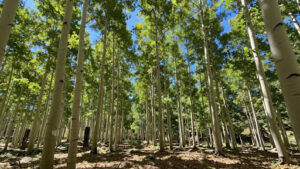
When we look at quaking aspen growth rate across the western United States, things get pretty interesting. While they’re all the same species, the local conditions really make a difference. The West, generally speaking, offers environments where aspen can live longer and grow larger compared to other regions. Think about Arizona’s Pinaleno Mountains – they’ve got an aspen that’s a real giant, standing 130 feet tall with a trunk four feet across. That’s huge compared to your average aspen!
However, drought and heat are growing issues in the West (e.g., Colorado, Arizona, Utah). Around 2000-2003, drought and high temperatures stressed aspen; by 2006 in Colorado, 150,000 acres struggled or died. This stress increases vulnerability to insects like the poplar borer, thriving in warmer winters.
Here’s a quick look at how some Western areas might compare:
| State/Region | Typical Lifespan (Years) | Potential Size (Height/Diameter) | Key Growth Factors |
| California (White Mtns) | 200+ | Large | Dry, rot-free environment |
| Arizona (Pinaleno Mtns) | 100+ | Very Large (champion tree) | Isolated “sky island” environment, good water table |
| Colorado (High Altitudes) | 100+ | Moderate to Large | Snowpack, but increasing drought stress |
| Alberta/Saskatchewan | 60-75 | Moderate | Humid climate, prone to rot and wind damage |
Aspen Growth in the Midwest and East (Where Applicable)
Aspen are less common in the Midwest/East than the West, with shorter lifespans (60-75 years) due to humid, dynamic climates, unlike the West’s drier, stable conditions, allowing century-long or longer lifespans. Eastern aspen reproduces more by seed, aiding migration as the climate warms, but may not form large groves as they aren’t a dominant species.
Quaking aspen’s remarkable adaptability allows it to thrive widely, but prolonged heat and drought limit its health and longevity.
Factors influencing aspen growth outside their typical western range include:
| Factor | Description |
| Climate | More humid conditions in the Midwest and East can lead to shorter lifespans due to increased susceptibility to rot and disease. |
| Reproduction Method | Eastern aspen often rely on seed dispersal, which can aid in range expansion but doesn’t always lead to dominance. |
| Competition | In eastern forests, aspen often compete with other tree species, limiting their ability to form extensive stands. |
| Soil and Water | Like all aspen, they still require a consistent water source, which can be a limiting factor in drier eastern or midwestern climates. |
Maximizing Quaking Aspen Growth
Ideal Conditions for Healthy Growth
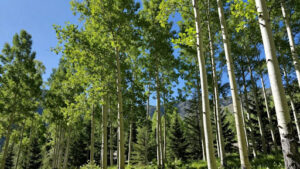
Want your quaking aspens to thrive? Proper planting and environment are key. While adaptable, these trees have preferences that significantly impact growth speed and health. Getting the environment right ensures vibrant leaves and healthy trunks.
Here’s what they generally love:
| Attribute | Requirement |
| Sunlight | Need 6+ hours of direct sun daily for efficient photosynthesis. |
| Soil Moisture | Prefer consistently moist soil, not waterlogged, especially when young. Thrive with high water tables. |
| Soil Type | Adaptable but prefer well-drained soils like sandy loams. |
| Temperature | Hardy, but extreme heat/drought is stressful. Prefer cooler, moist climates. |
Common Challenges and How to Address Them
Even with ideal conditions, things can go wrong. Aspens face a few common hurdles that can slow their growth or even threaten their survival. Understanding these issues helps you be proactive.
| Issue | Description | Solution |
| Drought Stress | In dry regions or spells, scarce water and heat cause dieback. | Water younger trees during prolonged dry periods. |
| Pests and Diseases | Aspens can get borers, leaf spots, or cankers. | Healthy trees are resistant. Prune affected branches or use targeted pest control. |
| Competition | Weeds or other trees compete for resources. | Keep the area around young aspens clear of vegetation. |
Trees react to their surroundings; minor weather/soil changes affect growth, lifespan, and health. Attention to detail helps quaking aspens. and their ability to regenerate from root sprouts is a key survival mechanism.
| Challenge | Impact on Growth |
| Prolonged Drought | Slowed growth, leaf drop, increased mortality |
| Insect Infestation | Weakened trees, stunted growth, and potential death |
| Fungal Diseases | Leaf damage, cankers, reduced vigor |
| Overcrowding | Competition for resources, slower development |
The Dynamic Growth of Quaking Aspen
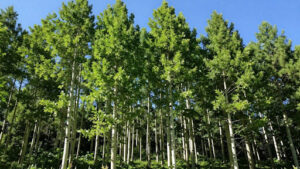
Quaking aspen, known for its shimmer and wide North American reach, shows dynamic growth. Adaptable from the Southwest to Alaska, their lifespan varies; many live 60-70 years, some over a century, with the oldest recorded at 226 years in California’s White Mountains.
This variability isn’t just about age. Aspen growth rates are influenced by a bunch of things:
| Factor | Description |
| Climate | Temperature and rainfall play a big role. Too much heat and drought, especially combined, can stress them out. |
| Soil and Water | They need a good water table, but can handle a range of conditions, from high mountain precipitation to snowpack that lasts for months. |
| Fire | Interestingly, aspen are pretty good at bouncing back after fires, often regenerating faster than conifers. |
| Human Impact | Things like land use changes and, increasingly, climate change are affecting their ability to thrive. |
Recent studies show that aspen growth across much of their range isn’t keeping up with die-offs, a continent-wide trend impacting ecosystems and wildlife.
Aspen’s wide adaptability is tested by changing conditions, hindering new growth, and causing declines. Their survival, often seen as stable, is dynamic and challenged.
Quaking Aspen trees spread to form large, identical groups, seemingly connected underground. This unique growth aids their survival and thriving in diverse locations. Learn more about these fascinating trees on our website for more facts about the natural world.
Frequently Asked Questions
How fast do quaking aspens grow in Colorado?
In Colorado’s high mountains, quaking aspens grow 1-2 feet yearly, varying with sun, water, and soil.
Are aspens in Colorado different from those in other states?
Aspens in Colorado may grow differently from those in other states due to varied weather and soil. Wetter areas might yield faster growth, but increase rot risk.
What makes aspen trees grow faster or slower?
Aspen growth depends on water, temperature, sunlight, soil, pests, diseases, and altitude.
Can climate change affect aspen growth rates?
Yes, climate change stresses aspens with warmer temps and droughts, slowing growth and increasing sickness/death, notably in Colorado.
How long do quaking aspens typically live?
Quaking aspens typically live 60-70 years, longer in drier areas like the western U.S., where rot is less common.
What are the best conditions for growing aspens?
Aspens need water (near a water table), sunlight, and good drainage. They prefer cooler climates, but not extreme cold.