
Ponderosa Pine Growth Rate: How Fast Does It Grow?
- December 24, 2025
- By Oliver Denver
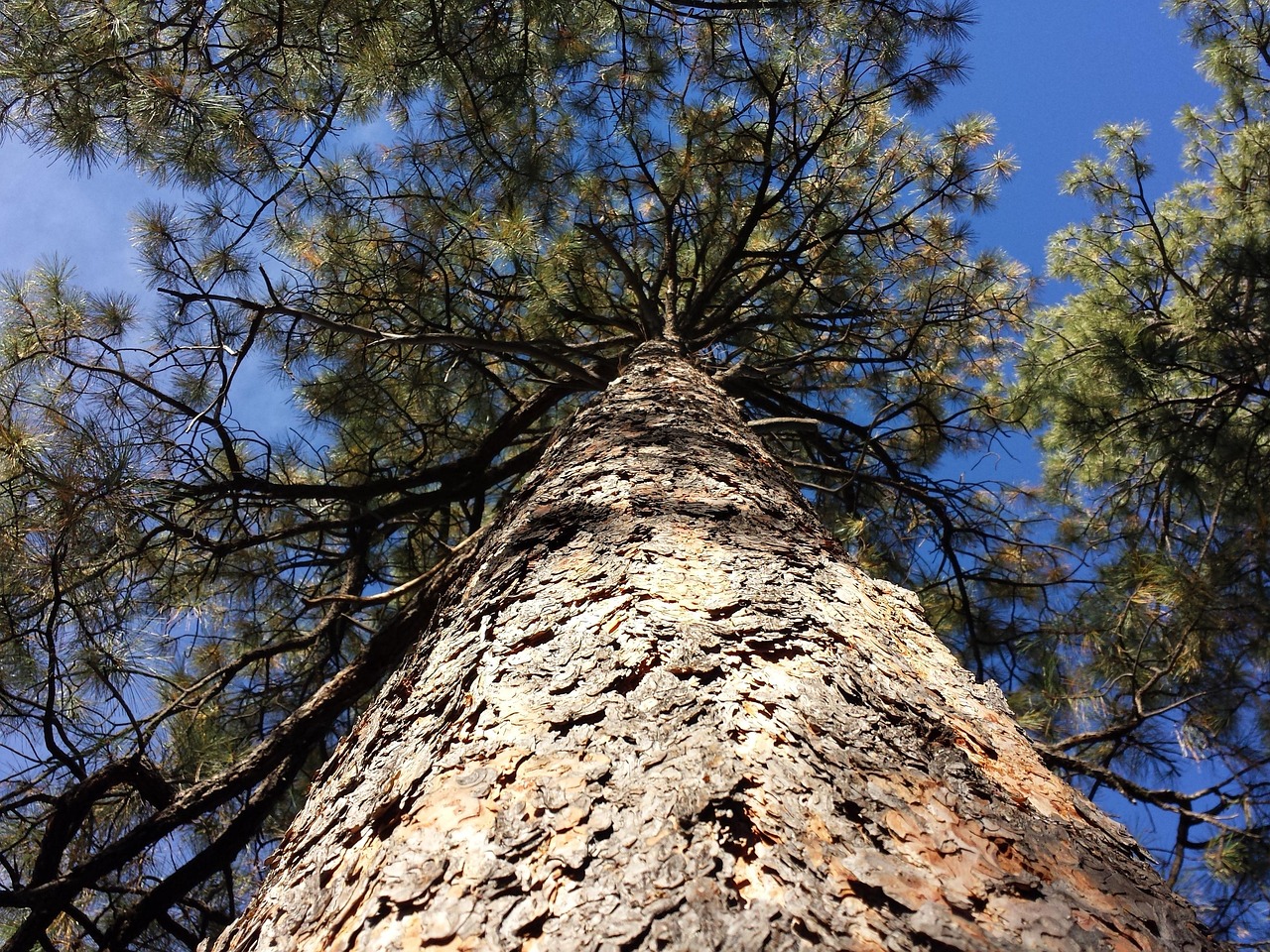
Thinking about planting a Ponderosa pine? These trees are pretty impressive, and knowing how fast they grow can help you plan your landscape. We’ll cover what to expect, from when they’re just little saplings to when they’re fully grown giants. It’s not just about age, though; a bunch of things can affect how quickly your Ponderosa pine grows, so let’s dig into that. The Ponderosa pine growth rate is generally considered moderate, often adding 12 to 18 inches in height per year once established. While Ponderosa pines are relatively low-maintenance, providing full sun and well-drained soil will help maximize their Ponderosa pine growth rate. We’ll also touch on how they stack up against other pines and what you can do to give yours the best chance to grow strong.
So, you’re curious about how fast a ponderosa pine grows, huh? It’s a fair question, especially if you’re thinking about planting one or just admiring these giants in your neighborhood. The Ponderosa pine growth rate can be pretty impressive, but it’s not a one-size-fits-all situation. These trees are known for their vigorous growth, especially when they’re getting established.
When we talk about the Ponderosa pine growth rate, we’re generally looking at a tree that can add a foot or more to its height each year under good conditions. Of course, “good conditions” is the key phrase here. A lot goes into how quickly these trees shoot up.
Here’s a quick rundown of what influences their speed:
- Age: Young trees tend to grow faster than older, more mature ones.
- Environment: Soil quality, water availability, and sunlight all play a big role.
- Competition: Other plants vying for resources can slow things down.
It’s interesting to see how different factors can really impact the Ponderosa pine growth rate. For instance, a tree planted in a spot with plenty of sun and good soil will likely outpace one struggling in a shady, compacted area. Understanding these dynamics helps set realistic expectations for your own Ponderosa pine growth rate.
The ponderosa pine is a tree that can adapt to a variety of conditions, but its growth is significantly tied to the resources available. While it’s generally considered a fast grower, especially in its early years, its ultimate size and speed are a result of its environment and care.
If you’re looking to compare, you might find it helpful to look at how other pine species fare. For example, studies on different varieties of loblolly pine show how genetics can also influence growth patterns, though ponderosa pines have their own unique characteristics.
Understanding the Ponderosa Pine: Species Overview and Characteristics
Alright, let’s talk about the Ponderosa pine, or Pinus ponderosa if you’re feeling fancy. This tree is a real icon out West, native to a huge chunk of North America, stretching from British Columbia all the way down to California and even popping up in places like Nebraska. It’s known for being tough, able to handle some pretty rough conditions.
One of the first things you’ll notice is its bark. Young trees have this dark, almost black bark that’s deeply furrowed. But as they get older, especially when the trunk hits about 18 inches across, that bark turns into these cool yellowish-brown or orange plates. It’s quite a transformation!
And the needles? They’re usually found in bundles of two or three, and they can be pretty long, sometimes up to 11 inches. They’ve got this stiff feel and a yellowish-green color. When you bruise the needles or young stems, they give off a surprisingly pleasant vanilla scent. Pretty neat, right?
Here’s a quick rundown of some key features:
- Native Range: Western North America.
- Needles: Typically 5-11 inches long, in bundles of 2 or 3, yellowish-green.
- Bark: Dark and furrowed on young trees, becoming orange-yellow and plated on older trees.
- Cones: 3-6 inches long, with spiky tips on the scales.
- Scent: Vanilla-like aroma from bark and young stems when bruised.
These trees can get seriously big, with some in their native habitat reaching over 200 feet tall. They’re also known for their impressive lifespan, with some individuals living for hundreds of years – we’re talking up to 600 years in some cases! That means when you plant a Ponderosa, you’re planting something that can be around for generations.
Ponderosa pines are not picky about soil and can handle dry spells and windy conditions like a champ. They really need full sun, though; they don’t do well in shady spots. Their deep root systems help stabilize soil, which is a big plus if you’ve got erosion issues.
They produce cones that are usually 3 to 6 inches long, and you can spot them by the little spiky points on each scale. These cones are important for wildlife, as are the seeds they produce. Birds and small mammals, like squirrels and chipmunks, definitely appreciate them. It’s a tree that really contributes to the local ecosystem.
Typical Growth Rate of Ponderosa Pine Trees
So, how fast do these giants actually grow? Well, it’s not exactly like watching grass grow, but it’s also not a racehorse.
Ponderosa pines are generally considered moderate growers. Most of the time, you can expect them to add about 12 to 18 inches in height each year once they’re established. Of course, this is just a general guideline. Think of it as a starting point for what to expect.
Here’s a quick breakdown:
- Young Trees: In their first few years, they might seem a bit slow. They’re busy putting down roots and getting settled. Don’t be surprised if you see less than a foot of growth annually during this establishment phase.
- Established Trees: Once they’ve got a good grip on the soil, they pick up the pace. That 12-18 inch per year range is most common for trees that are a few years old and have found their sweet spot.
- Mature Trees: As they get older and bigger, their growth rate naturally slows down. They’ve reached a good portion of their potential size, so they’re not in such a hurry to get taller.
It’s important to remember that this rate can really change depending on where you plant them and what conditions they’re dealing with. We’ll get into those factors more later, but for now, just know that a healthy, happy Ponderosa pine is a steady grower.
The Ponderosa pine is known for its resilience and ability to thrive in challenging environments, but its growth speed is a key characteristic to consider when planning your landscape. While not the fastest-growing tree out there, its steady progress leads to a long-lived and impressive specimen.
If you’re curious about how they stack up against other types of pines, we’ll cover that too. For now, just picture a tree that grows reliably, adding a bit more stature each season, eventually becoming a significant presence in the landscape. You can find more details on Ponderosa pine growth if you’re interested.
Early Years: How Fast Do Young Ponderosa Pines Grow?
When you first plant a Ponderosa pine seedling, don’t expect a towering giant overnight. For the first couple of years, these young trees are mostly focused on getting their roots established. Think of it as their underground hustle. They’re putting down a strong foundation, which is super important for their long-term health and growth.
So, how much height are we talking about? Typically, you’ll see very little height increase in the first year or two. Some sources say they might grow less than a foot annually during this establishment phase. It’s a slow start, but it’s a critical one.
Here’s a quick rundown of what to expect in the early stages:
- Year 1-2: Minimal height growth, focus on root development.
- Year 3 onwards: Once established, growth picks up significantly.
- Supplemental Care: Watering and keeping weeds away really helps them get going.
It’s during these initial years that providing good care makes a big difference. Making sure they have enough water and aren’t competing with other plants for resources can set them up for much faster growth later on. It’s like giving them the best possible start in life.
While they might seem slow at first, this patient approach pays off. Once their root system is solid, Ponderosa pines are known for their relatively quick growth, often adding a foot or more in height each year. It’s just a matter of letting them get their bearings.
Height Growth Over Time: From Sapling to Mature Tree
When you first plant a Ponderosa pine, it’s just a little thing, but don’t let its size fool you. These trees have a pretty impressive growth spurt in their younger years. We’re talking about adding a foot or more to their height annually when conditions are just right. It’s like watching a teenager shoot up – rapid and noticeable.
Think of it this way:
- Year 1-5: This is the establishment phase. Growth might seem a bit slow as the roots get settled, but you’re still looking at a decent gain, maybe 6-12 inches per year.
- Year 5-20: This is prime time for height. The tree is really taking off, often adding 1-2 feet each year. This is when it starts to look like a proper pine tree.
- Year 20+: Growth slows down considerably. The tree focuses more on thickening its trunk and spreading its branches rather than just getting taller. You might see a few inches of height added each year, but the dramatic gains are over.
The Ponderosa pine’s journey from a small seedling to a towering giant is a marathon, not a sprint. It’s a tree that rewards patience, with its most vigorous growth happening during its younger to middle-aged years.
It’s interesting to see how the tree’s energy shifts over its lifespan. Early on, it’s all about reaching for the sky. As it gets older, it becomes more about building a strong, wide presence, like an old-timer settling into its place.
Factors That Influence Ponderosa Pine Growth Rate
So, you’ve got a Ponderosa pine, or you’re thinking about getting one. That’s great! These trees are pretty tough, but like anything living, they don’t just grow at the same speed no matter what. A bunch of things can really speed them up or slow them down.
The biggest thing to remember is that Ponderosa pines need a lot of sun. They really don’t like shade, so if they’re stuck under bigger trees, they’re going to struggle. Think of it like trying to grow a sunflower in a dark closet – it just won’t happen.
Here are some of the main players that affect how fast your Ponderosa pine puts on height and width:
- Sunlight: As I said, full sun is best. Too much shade from other trees, especially on the south side, will really slow things down. They need that light to make food.
- Water: While they’re pretty drought-tolerant once they get going, young trees need consistent moisture to get established. Too much water, though? That’s bad news. They don’t like soggy feet at all.
- Soil: They’re not super picky, which is good. They can handle soils that are a bit alkaline or dry. But really heavy, wet clay soils? Not their favorite. Good drainage is key.
- Nutrients: While they aren’t heavy feeders, having decent soil nutrients helps. If your soil is really poor, growth will be slower.
- Pests and Diseases: Things like the Nantucket pine tip moth can be a real nuisance, especially for younger trees. Some trees are more resistant than others, though. Diseases can also set them back.
- Competition: Weeds and other plants competing for water and nutrients around the base of your young pine can slow its growth. Keeping the area around the trunk clear helps a lot.
- Climate and Elevation: Where you plant it matters. They do best in areas with lower humidity, like western Kansas, and can struggle with needle diseases in wetter climates. Elevation can also play a role in temperature and growing season length.
It’s interesting how these trees, which can get so massive in their native western ranges, adapt to different conditions. Even in places like Kansas, where they’re at the edge of their natural spread, they’ve proven to be quite resilient, especially when you pick the right seed source and give them the basics they need to thrive. It’s all about matching the tree to the spot and giving it a fair shot.
So, if you want your Ponderosa pine to grow well, pay attention to where you plant it, make sure it gets enough sun and water (but not too much!), and keep an eye out for any problems. It’s not rocket science, but it does take a little bit of thought.
Soil Conditions, Water, and Sunlight: Keys to Growth
Alright, let’s talk about what makes a Ponderosa pine really take off. It’s not just about planting it and forgetting it, you know? These trees have some pretty specific needs when it comes to where they live.
First off, sunlight is a big deal. Ponderosa pines are sun-worshippers. They need full sun to really thrive. If you plant them where they’re going to be shaded out by bigger trees, especially on the south side, they’re just not going to grow as well. Think of it like trying to get a tan in a basement – it just doesn’t work.
Then there’s the soil. Ponderosas aren’t super picky, but they do have a preference. They like soil that drains well. If the ground stays soggy, especially for long periods, the roots can have problems. They’re more tolerant of drier and even slightly alkaline soils than some other pines, which is good news in many areas. But wet feet? Not so much.
Water is important, especially when the tree is young. For the first few years after planting, you’ll want to make sure it gets regular watering. This helps it get established. Once it’s settled in, Ponderosa pines are pretty drought-tolerant, which is one of their strong suits. Still, during really dry spells, even an established tree can benefit from a good soaking.
Here’s a quick rundown:
- Sunlight: Full sun is best. No shade, please!
- Soil: Well-draining is key. Avoid heavy, waterlogged spots.
- Water: Consistent watering for the first 3-5 years is important for establishment. After that, they’re quite drought-tolerant.
It’s a bit like setting up a new plant at home. You wouldn’t put a cactus in a dark, damp bathroom, right? Ponderosas need that bright, airy spot with soil that lets extra water escape. Get these basics right, and you’re setting your tree up for success.
Climate and Elevation Effects on Growth
Ponderosa pines are pretty tough cookies, but even they have their preferred spots. When you’re thinking about where they’ll do best, climate and elevation really play a big role. They’re native to areas west of the Great Plains, and generally, they prefer drier climates.
The further west you go, the more at home they tend to feel. In areas with lower humidity, like western Kansas, they tend to be more resilient. This is partly because higher humidity can sometimes lead to needle diseases, which can slow down growth and make the tree less healthy. So, if you’re in a region with consistently damp air, you might see a slower growth rate compared to drier locales.
Elevation also matters. While Ponderosa pines can grow at various elevations, extreme cold or very high altitudes might stress the tree, impacting its growth. They’re not typically found in the highest mountain peaks but rather in the foothills and lower to mid-elevations where conditions are more moderate.
Here’s a quick look at how climate can influence things:
- Drier Climates: Generally promote healthier growth and reduce the risk of certain fungal diseases.
- Higher Humidity: Can increase susceptibility to needle blights, potentially slowing growth.
- Extreme Cold: While Ponderosa pines are cold-hardy, prolonged, severe cold snaps, especially at higher elevations, can cause stress.
- Wind: Strong winds, common in some higher elevation or open plains areas, can affect young trees and may require protection.
It’s interesting how a tree can be so adaptable, yet still have specific environmental needs. The Ponderosa pine is a prime example of this, thriving in a range of conditions but really showing its best growth when its preferred climate is met. It’s not just about surviving; it’s about flourishing.
So, while a Ponderosa pine can survive in many places, its best growth rate will likely be in a climate that mimics its native, drier, and moderately elevated environments. If you’re planting one, consider the typical weather patterns and altitude of your area.
Shade, Competition, and Their Effect on Growth Rate
Ponderosa pines are sun-lovers, plain and simple. They really don’t do well when they’re stuck in the shade. If a young Ponderosa pine is constantly shaded by larger trees, its growth will slow down considerably, and it might even die. It’s all about that sunlight for photosynthesis, which is how trees make their food.
When you plant Ponderosa pines, you’ve got to think about what’s around them. Other trees, especially fast-growing ones like cottonwoods or poplars, can really crowd them out. This competition isn’t just for sunlight; it’s also for water and nutrients in the soil. It’s like a crowded room where everyone’s trying to grab the last slice of pizza – not ideal for anyone trying to get a good meal.
Here’s a quick rundown of what happens when Ponderosa pines face competition:
- Reduced Sunlight: Overhanging branches from other trees block the sun, starving the Ponderosa pine of energy.
- Water and Nutrient Scarcity: Nearby plants with extensive root systems can hog the water and nutrients the Ponderosa pine needs to thrive.
- Physical Crowding: Tightly packed trees can lead to branches rubbing, which can damage the bark and make the tree more susceptible to pests and diseases.
Think about planting them with enough space. For windbreaks, for example, you might want to keep larger, faster-growing deciduous trees at least 20 to 24 feet away from your Ponderosa pines, especially on the south side where the sun is strongest.
Ponderosa pines are naturally adapted to open, sunny environments. Their growth is significantly hampered when they have to compete for resources like light, water, and soil nutrients. This competition can stunt their development, making them weaker and more vulnerable to environmental stresses and pests. Providing ample space and sunlight is key to their healthy, vigorous growth.
Mature Size: How Tall and Wide Do Ponderosa Pines Get?
So, you’re wondering just how big these Ponderosa pines can get? Well, they’re definitely not shy about stretching out. These trees can become quite massive, making a real statement in any landscape.
When they reach their full potential, Ponderosa pines typically stand between 50 to 75 feet tall. Some can even push past that, reaching heights of up to 125 feet, and a few exceptional specimens have been recorded even taller. In terms of width, expect them to spread out about 30 to 50 feet. It really depends on the conditions they’re growing in, of course.
Here’s a general idea of what to expect:
- Height: 50-75 feet is common, with potential to reach over 100 feet.
- Spread: 30-50 feet wide, creating a substantial canopy.
- Trunk Diameter: Mature trees can have impressive girths, sometimes several feet across.
It’s interesting to note that Ponderosa pines growing in different regions can vary in size. For instance, those found east of the Cascade Mountains in Oregon tend to grow taller than their cousins in the Willamette Valley. It’s a good reminder that local climate and soil play a big role in how large a tree ultimately gets.
Remember that these are average figures. A Ponderosa pine in ideal conditions, with plenty of sun, good soil, and adequate water, will likely reach the higher end of these estimates, or even exceed them. Conversely, one struggling with competition or poor soil might stay on the smaller side.
If you’re thinking about planting one, make sure you’ve got the space! These aren’t small trees by any stretch. They’re built for larger yards or open areas where they have room to grow without crowding their neighbors. You can find more details on their impressive characteristics if you’re curious about their full potential.
Growth Rate Compared to Other Pine Species
When you’re looking at how fast Ponderosa pines grow, it’s helpful to see how they stack up against other common pine trees. Ponderosa pines are generally considered a moderately fast-growing species, especially when they’re in their prime growing years and have good conditions. They can often add between 12 to 18 inches in height annually.
Let’s break down how they compare:
- Ponderosa Pine: As mentioned, typically 12-18 inches per year. They are known for their resilience and adaptability, especially in drier western climates.
- Loblolly Pine (Pinus taeda): Found more in the southeastern US, Loblolly pines are often faster growers, especially in warmer, wetter conditions. They can easily put on 2-3 feet per year, sometimes even more.
- Eastern White Pine (Pinus strobus): This species can be quite fast, especially when young and in ideal conditions, often exceeding 2 feet per year. However, they can be more susceptible to certain pests and diseases than Ponderosa.
- Lodgepole Pine (Pinus contorta): While its growth rate can vary, Lodgepole pines can grow relatively quickly, often in the 1-2 feet per year range, particularly in dense stands in their native mountain environments.
Here’s a quick look at typical growth ranges:
| Pine Species | Typical Annual Height Growth | Notes |
| Ponderosa Pine | 12-18 inches | Resilient, good in drier western climates |
| Loblolly Pine | 24-36+ inches | Faster in the southeastern US, good moisture |
| Eastern White Pine | 24+ inches | Can be fast, but more disease-prone |
| Lodgepole Pine | 12-24 inches | Variable, often in mountain regions |
It’s important to remember that these are general figures. A Ponderosa pine’s growth rate is heavily influenced by its environment, just like any other tree. While it might not be the absolute fastest-growing pine out there, its combination of resilience, drought tolerance, and decent growth makes it a standout choice for many landscapes, particularly in the western United States.
While some pines might shoot up faster in their youth, the Ponderosa often has a longer, more consistent growth period into maturity. This steady development contributes to its impressive size and longevity, making it a reliable landscape feature over many decades.
Maximizing Your Ponderosa Pine Growth Rate
So, you’ve got a Ponderosa pine, and you’re wondering how to get it to grow as fast as possible? It’s not rocket science, but there are definitely some things you can do to help your tree reach its full potential. Think of it like giving your tree the best possible environment to thrive.
First off, remember that Ponderosa pines are sun-lovers. They really don’t do well in shady spots. So, if you’re planting a new one, pick a place that gets full sun all day long. If you already have one and it’s getting crowded by taller, faster-growing trees, you might need to think about trimming those other trees back a bit, especially on the south side, where they’d cast the most shade. It’s all about giving your Ponderosa the light it craves.
Water is another big one, especially when the tree is young. While established Ponderosas are pretty tough and can handle some dry spells, young ones need consistent moisture. Don’t let the soil dry out completely, but also, don’t drown it. They like moist, well-drained soil. So, if you’re in a dry spell, give it a good watering. It makes a huge difference.
Weed control is also surprisingly important. Those little weeds might seem harmless, but they’re competing with your pine for water and nutrients. Keeping the area around the base of your tree clear, especially for the first few years, will really help it focus its energy on growing taller and stronger. A little mulch can help keep weeds down and retain moisture, too.
Here’s a quick rundown of what helps most:
- Sunlight: Full sun is a must. No exceptions.
- Water: Consistent moisture when young, but good drainage is key.
- Soil: Prefers well-drained soil; avoid heavy, waterlogged types.
- Competition: Keep weeds and competing plants away from the base.
While Ponderosa pines are known for their resilience and ability to grow in various conditions, providing optimal care, especially during their early years, significantly impacts their long-term growth and health. It’s about setting them up for success from the start.
And remember, patience is a virtue with trees. While they can grow a good foot or more per year under ideal conditions, they still take time to reach their majestic size. Just keep giving them what they need, and you’ll be rewarded with a beautiful, strong tree.
Want your Ponderosa Pine to grow tall and strong? Giving your tree the right care is key. Learn the best ways to help your Ponderosa Pine thrive. Visit our website today for expert tips and advice on tree growth!
Frequently Asked Questions
How fast does a Ponderosa pine tree grow each year?
Ponderosa pines are known for their steady growth. In good conditions, they can grow about 12 to 18 inches taller each year, especially when they are younger. This growth rate can slow down a bit as the tree gets older and bigger.
Do Ponderosa pines grow faster when they are young?
Yes, young Ponderosa pines tend to grow more quickly when they are first getting established. During their early years, they focus on growing taller and spreading their roots. As they mature, their growth might not seem as rapid, but they are still getting larger and stronger.
What conditions help a Ponderosa pine grow faster?
These trees really thrive with plenty of sunshine – they don’t like shady spots! They also need well-draining soil that isn’t too wet. Giving them enough water, especially when they are young, and making sure they aren’t competing with too many other plants for resources will help them grow their best.
How tall can a Ponderosa pine get?
Ponderosa pines can become quite large trees. In their native areas, they can reach heights of over 100 feet, sometimes even up to 125 feet or more! In places like Kansas, they might be a bit shorter, typically growing to about 40 to 50 feet tall.
Does the climate affect how fast Ponderosa pines grow?
The climate plays a big role. Ponderosa pines prefer areas with lower humidity, like those found in western Kansas. In places with very high humidity, they might be more prone to certain diseases, which can slow down their growth. They also do best in areas that don’t get extreme cold late in the spring, as late frosts can damage young trees.
Can Ponderosa pines grow in different types of soil?
Ponderosa pines are pretty tough and can grow in a variety of soils. They are known to tolerate drought and even slightly alkaline soils better than some other pine trees. However, they really don’t like wet feet, so good drainage is important.
How does competition from other plants affect Ponderosa pine growth?
When Ponderosa pines have to compete with other trees and plants for sunlight, water, and nutrients, their growth can be significantly slowed down. Planting them with enough space, especially away from large, fast-growing deciduous trees that can cast a lot of shade, helps them grow better.
Are Ponderosa pines considered fast-growing trees?
Compared to some trees, Ponderosa pines are considered moderately to fast-growing, especially during their younger years. They can add over a foot in height annually under ideal conditions, making them a good choice if you want a tree that will provide shade and presence in your yard relatively quickly.