
Lodgepole Pine Identification: Key Features to Recognize the Tree
- January 15, 2026
- By Oliver Denver
Ever wondered about those tall, skinny trees you see all over the place? Chances are, you’ve spotted a lodgepole pine. They’re super common, especially out west, and knowing how to spot them is pretty handy. Whether you’re hiking, camping, or just curious about nature, this guide will help you with lodgepole pine identification. Lodgepole pines typically have needles in pairs, which is a big clue for lodgepole pine identification. We’ll go over the main things to look for, from their needles to their cones, so you can tell them apart from other trees.
Why Identification of Lodgepole Pine Matters
Ever found yourself staring at a forest and wondering, “What kind of pine is that?” You’re not alone. Lodgepole pine, or Pinus contorta, is a super common tree out west, and knowing how to spot it can be surprisingly useful. It’s not just about satisfying your curiosity; it’s about understanding the ecosystems around you.
Why bother learning to identify this particular tree? Well, for starters, lodgepole pine is a big deal in many western forests. It’s a major timber source, important for everything from building materials to paper products. Knowing its characteristics helps us appreciate its role in the landscape. Plus, sometimes you need to tell it apart from other trees, especially if you’re involved in trail work or conservation efforts. For instance, trail volunteers often need to distinguish lodgepole from the endangered whitebark pine. Getting that wrong could lead to some serious trouble.
Here’s a quick rundown of why ID matters:
- Ecological Role: Lodgepole pines are often pioneers, colonizing areas after fires. Their presence shapes the forest structure and provides habitat.
- Resource Management: Understanding where lodgepole pines are and how they grow is key for forestry and land management.
- Conservation: Differentiating between species, like lodgepole and whitebark pine, is vital for protecting rare or threatened trees.
- Personal Enjoyment: Simply being able to name the trees you see adds another layer to enjoying a hike or spending time outdoors.
Learning to identify trees like the lodgepole pine can be a simple way to connect more deeply with nature. It encourages you to slow down, observe the details, and appreciate the diversity of the plant world. It’s a bit like a mindfulness practice, really.
This guide will walk you through the key features that make a lodgepole pine stand out. We’ll cover everything from its needles and bark to its distinctive cones. So, let’s get started on becoming a lodgepole pine expert!
Overview of Lodgepole Pine
Alright, let’s talk about the lodgepole pine, or Pinus contorta, if you’re feeling fancy. This tree is pretty common out west, and you might hear it called shore pine, too, especially if you’re near the coast. It’s a really adaptable tree, which is probably why it’s spread out so much.
It’s known for its slender trunk and a rather narrow crown, though it can change its shape quite a bit depending on where it’s growing. Sometimes you’ll see them growing super close together, looking like a dense thicket of skinny trees – people sometimes call that ‘dog-hair’ lodgepole. Other times, if they have more space and sun, they can grow into a much broader, more robust tree. It’s pretty neat how one species can look so different.
Here’s a quick rundown of what makes it, well, it:
- Scientific Name:Pinus contorta
- Common Names: Lodgepole Pine, Shore Pine
- Native Range: Western North America
This tree is a survivor. It can handle a lot of different conditions, from dry, sandy soils to wetter, boggy areas. It’s also pretty good at bouncing back after disturbances like fires, which is a big deal in many of the forests where it grows.
When you’re trying to spot one, keep an eye out for those characteristic needles and cones we’ll get into later. It’s a really important tree for many ecosystems, providing habitat and food for wildlife. Learning to identify it is a good step in appreciating the forests around you. You can find more general information about various pine species if you’re curious.
Where Lodgepole Pines Are Found — Range and Habitat
Lodgepole pines are pretty widespread, especially across western North America. You’ll find them from Alaska and Canada all the way down into California and even into Mexico. They’re really adaptable, which is part of why they’re so common.
These trees aren’t too picky about where they grow, but they do have some preferences. They often pop up in large, dense stands, especially after a fire has cleared out the competition. This is because their cones are often serotinous, meaning they need heat to open and release their seeds. So, fires actually help them spread!
Lodgepole pines can grow in a variety of places:
- Dry foothills and lower montane forests: This is a common spot, especially in drier regions.
- Higher elevations: They can be found up in the mountains, often mixed with other conifers like spruce and fir.
- Moist sites: While they can handle dry conditions, they also do well in areas with more moisture, like along streams or in wetter forest types.
Their elevation range can be quite broad, generally from around 600 meters (about 2,000 feet) up to 2,250 meters (around 7,400 feet) or even higher in some areas. The subspecies Pinus contorta contorta is more typical of lower elevations, often found in coastal forests or dry foothills, usually between 0 and 600 meters. It’s a good example of the species’ adaptability.
It’s interesting how lodgepole pines often dominate areas that have experienced forest fires. This resilience is a key part of their ecological role, helping to regenerate forests and provide habitat for wildlife.
When you’re trying to identify them, think about the kind of forest you’re in. Are you in a dense, even-aged stand? Is it an area known for past fires? These clues can point you towards lodgepole pine. They’re often found alongside species like Douglas-fir or various spruces and true firs, depending on the specific location and elevation. You might even see them mixed with ponderosa pine in some parts of their range.
General Tree Form and Size for Lodgepole Pine Identification
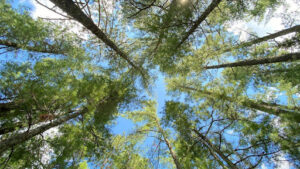
When you’re out trying to spot a lodgepole pine, its shape and size can give you some pretty good clues, though it’s not always as straightforward as you might think. Lodgepole pines are often recognized for their tall, slender, and somewhat narrow silhouette, especially when they grow in dense stands. Think of a skinny tree reaching for the sky, often with branches clustered towards the top. This is the classic look you’ll see in many forests, particularly after a fire when they’ve had to compete for sunlight.
However, lodgepole pines are surprisingly adaptable and can change their appearance quite a bit depending on where they’re growing and how much space they have. If a lodgepole pine has plenty of room and sunlight, it might develop a much broader, more rounded crown. Sometimes, you’ll even find them with a thicker trunk, and they can keep their needles all the way down to the ground, looking quite full. It’s not uncommon to see a lodgepole pine that’s almost as wide as it is tall, with multiple main stems branching out from near the base. This variation is pretty neat because it means you can’t always rely on just one ‘look’ to identify them.
Here’s a quick rundown of what to expect:
- Typical Form: Tall, slender trunk with a narrow, often irregular crown. Branches are usually sparse lower down, becoming denser towards the top.
- Open-Grown Form: Can be much broader, with a thicker trunk and a fuller crown that extends lower.
- Height: While they can reach up to 150 feet (about 45 meters), many commonly seen lodgepole pines are smaller, often in the 50-80 foot (15-25 meter) range.
- Trunk Diameter: Usually quite narrow, often less than a foot in diameter, but can be larger in open-grown situations.
It’s interesting how the same species can look so different. The ‘dog-hair’ thickets are packed tight, forcing the trees to grow straight up with few lower branches. But give one a sunny spot all to itself, and it’ll spread out like it’s showing off. This adaptability is a big part of why they’re so widespread.
Needle Characteristics: Number, Length & Texture
When you’re trying to figure out if you’re looking at a lodgepole pine, the needles are a really good place to start. Unlike some other trees where needles grow singly, lodgepole pines have their needles in pairs. This is a pretty consistent trait for this species. You’ll almost always find lodgepole pine needles bundled together in twos.
These needles aren’t super long, usually ranging from about 2 to 5 inches (5 to 12 cm) in length. They’re also a bit stiff, not really soft and flat like you might find on a fir tree. When you run your hand along a branch, it feels somewhat prickly, but not as much as a spruce, which can feel like little needles. The texture is generally smooth, but they have a slight curve to them, giving them a bit of a twisty look.
Here’s a quick rundown:
- Number per bundle: Always two.
- Length: Typically 2-5 inches (5-12 cm).
- Texture: Stiff, slightly curved, not overly sharp.
It’s helpful to remember that other pines have different numbers of needles per bundle. For instance, whitebark pine, which can sometimes grow in similar areas, has needles in groups of five. Knowing that lodgepole pines stick to pairs is a big clue. If you’re ever working on trails and need to identify trees, like for trail maintenance, getting this detail right is important.
The way the needles are arranged on the branch is also something to notice. They tend to grow in a spiral pattern around the twig, but because they’re in these distinct pairs, it gives the branch a somewhat bushy appearance, especially when the new growth comes in.
So, next time you see a pine tree, give those needles a closer look. Are they in twos? That’s a strong indicator you’re dealing with a lodgepole pine.
Color and Persistence of Needles on Lodgepole Pines
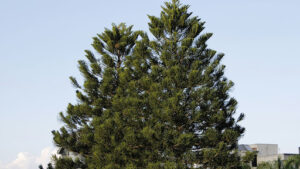
When you’re trying to spot a lodgepole pine, the needles are a big clue. They’re typically a deep green, sometimes leaning towards a yellowish-green, especially when they’re young or if the tree isn’t getting ideal conditions. These needles stick around for a good while, usually staying on the tree for about three to five years. This means even in winter, you’ll see plenty of green on a lodgepole, which is pretty common for most pines, but it’s good to keep in mind.
It’s not just about the color, though. The way they hang on is also part of the story. Unlike some trees that shed all their needles at once, lodgepoles do it gradually. You’ll find needles from different years on the same branch, which is why they look so full and bushy.
Here’s a quick rundown:
- Color: Generally a dark green, sometimes with a yellowish tint.
- Longevity: Needles persist on the tree for 3-5 years.
- Shedding: Gradual shedding, not all at once.
You might notice that needles on younger trees or those in harsher environments can appear a bit paler or even slightly yellowish. This isn’t a sign of trouble, just the tree adapting to its surroundings. The key is that they remain attached for several seasons, giving the tree its characteristic evergreen look year-round.
Bark Features: Texture and Color for ID
Alright, let’s talk about the bark on lodgepole pines. It’s one of those features that can really help you nail down the identification, especially when you’re out in the woods.
The bark on a lodgepole pine is generally thin and can look pretty different depending on the tree’s age and where it’s growing. Young trees often have smoother, grayish bark. As they get older, they start to develop these thin, scaly plates. These plates can be a bit irregular, and the color usually ranges from a yellowish-brown to a reddish-brown. You won’t find the thick, deeply furrowed bark you see on some other pines, like mature Douglas-firs. It’s more on the flaky side.
Here’s a quick rundown of what to look for:
- Texture: Thin, scaly, and somewhat flaky. It doesn’t have deep ridges or thick plates.
- Color: Typically yellowish-brown to reddish-brown, sometimes with a grayish cast, especially on younger trees.
- Thickness: Relatively thin compared to many other pine species.
It’s interesting how bark can change so much. For instance, ponderosa pine has that really distinctive plated bark that’s often described as yellow to orange-red. Lodgepole bark is quite different, usually less dramatic in color and texture. It’s not as rough as some older pines, and definitely not as smooth as a young fir.
You might notice that the bark can sometimes appear almost smooth on very young trees or on those growing in dense stands where they’re competing for light. In more open areas, the scaling might be more pronounced. It’s a subtle feature, but paying attention to it can really help confirm your ID, especially when you’re trying to distinguish it from other similar-looking conifers. It’s a good idea to check out examples of ponderosa pine bark to see how it contrasts.
Sometimes, especially on older trees or those that have been through a lot, the bark might look a bit rougher or have more pronounced fissures, but the underlying thin, scaly nature is usually still there. It’s not a bark that’s built for fire resistance like some other species; it’s more delicate.
Cones: Shape, Size & Serotinous Behavior
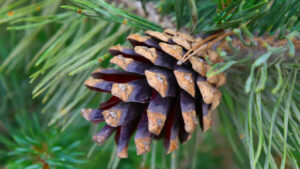
When you’re trying to spot a lodgepole pine, its cones are a pretty good clue. They’re usually a light brown color and aren’t too big, typically measuring between one and three inches long. You’ll notice they’re kind of egg-shaped, and if you look closely, the scales have little sharp points on them.
But here’s the really interesting part: lodgepole pine cones have this thing called serotiny. This means many of the cones stay tightly shut, sealed with resin, until they’re exposed to heat, like from a wildfire. It’s a clever survival tactic. The heat melts the resin, the cone opens up, and out come the seeds, ready to grow in the newly cleared ground. It’s a pretty amazing adaptation that helps the lodgepole pine regenerate after fires. You can find more about this fire-triggered opening in this species’ adaptation.
It’s worth noting that not all lodgepole pine cones are serotinous. Some trees produce open cones that release their seeds more gradually. This mix of cone types can lead to different forest structures.
Here’s a quick rundown of what to look for:
- Shape: Roughly egg-shaped.
- Size: 1-3 inches (3-7 cm) long.
- Scales: Have small, sharp prickles.
- Behavior: Many are serotinous, meaning they need heat (like from a fire) to open and release seeds.
While most pine cones fall to the ground and open naturally or decay, lodgepole pine cones often stay attached to the tree for years, waiting for the right conditions. This waiting game is key to their reproductive strategy, especially in fire-prone ecosystems.
Twig and Bud Details in Lodgepole Pine Identification
Alright, let’s talk about the smaller stuff – the twigs and buds. Sometimes, these little details are what really seal the deal when you’re trying to ID a Lodgepole Pine, especially when you’re up close.
When you look at the twigs of a Lodgepole Pine, they’re usually pretty slender. They tend to be a yellowish-brown or reddish-brown color. It’s not super distinctive on its own, but it’s a piece of the puzzle. What’s more interesting are the buds. The terminal buds, which are the ones at the very tip of the twig, are typically quite small and resinous. They’re often a reddish-brown color and have a somewhat pointed shape. These buds are where the new growth will emerge in the spring, forming those characteristic needle clusters.
Here’s a quick rundown of what to look for:
- Twig Color: Generally yellowish-brown to reddish-brown.
- Twig Texture: Smooth, not particularly rough or fuzzy.
- Buds: Small, resinous, reddish-brown, and often pointed.
- Bud Arrangement: Located at the tip of the twig, forming the starting point for new needle growth.
Remember, these buds are packed with everything the new needles will need to grow. They’re protected by scales, and that resin helps keep them safe from drying out and from insects over the winter. It’s pretty neat when you think about it – all that future growth tucked away in such a tiny package.
Comparing these to other pines can be helpful. For instance, some pines have much larger, more prominent buds. The combination of slender, colored twigs and those small, resinous buds is a good indicator that you’re likely looking at a Lodgepole Pine. It’s these subtle features, when taken together, that really help confirm your identification.
How to Differentiate Lodgepole Pine from Other Pines
Okay, so you’ve got a pine tree in front of you, but is it a lodgepole or something else? It happens. Pines can look pretty similar, especially if you’re not a tree expert. But don’t worry, there are a few key things to look at that’ll help you tell them apart.
First off, let’s talk needles. This is usually the easiest way to get a clue. Lodgepole pines are pretty straightforward: their needles almost always come in pairs. You’ll see two needles bundled together. This is a big one, especially when you’re trying to distinguish it from, say, a whitebark pine, which has its needles in groups of five. Remember: two needles for lodgepole, five for whitebark. It’s a simple trick that can save you a lot of confusion.
Here’s a quick rundown:
- Lodgepole Pine (Pinus contorta): Needles in bundles of two. They’re usually pretty stiff and about 2-5 inches long.
- Whitebark Pine (Pinus albicaulis): Needles in bundles of five. These are often shorter and more curved than lodgepole needles.
- Ponderosa Pine (Pinus ponderosa): This one can be tricky because it often has needles in bundles of three, but sometimes you’ll find bundles of two or even five on the same tree. The needles are usually much longer, like 5-10 inches.
- Eastern White Pine (Pinus strobus): As the name suggests, these have needles in bundles of five, and they’re typically longer and softer than lodgepole needles.
Now, cones are another good indicator, though sometimes they’re not hanging around on the tree. Lodgepole pine cones are usually small, about 1-3 inches long, and they’re often prickly. A really distinctive thing about lodgepole cones is that they can be serotinous, meaning they stay closed until heat, like from a wildfire, opens them up. Other pines have different cone shapes and sizes. For example, whitebark pine cones are more egg-shaped to round and tend to grow at a right angle to the branch, which is quite different from the more elongated, often asymmetrical lodgepole cones.
When you’re out in the woods, especially in areas where different pine species overlap, focusing on the needle bundles is your best bet. It’s the most consistent and easiest feature to check without needing a magnifying glass or a cone identification guide. Just count the needles in a bundle – two means lodgepole, and you’re likely on the right track.
Seasonal and Environmental Clues for Lodgepole Pine ID
Sometimes, the environment where you find a tree can give you a big hint about what it is. Lodgepole pines are pretty adaptable, but they do have their favorite spots. You’ll often see them in large, dense stands, especially after a fire. These trees are pioneers, meaning they’re usually the first to pop up in a burned-over area. This is thanks to their cones, which often need heat to open and release their seeds.
Think about the elevation, too. Lodgepoles are common from lower elevations all the way up into the subalpine zones, but they tend to give way to other trees at the very highest, harshest ridges. Up there, you might start seeing whitebark pines, which have needles in bundles of five, unlike the lodgepole’s two. If you’re in a really wet, boggy area, it’s less likely to be a lodgepole and more likely something like a spruce or a fir.
Here’s a quick rundown of where you’re most likely to find them:
- Post-fire sites: They thrive where forests have recently burned.
- Dense, even-aged stands: Often found growing closely together.
- Mixed conifer forests: They can grow alongside other pines, spruces, and firs, especially in mid-elevations.
- Higher elevations: Common in subalpine forests, but usually not at the absolute highest, windswept peaks.
Pay attention to the trees around it. If you see a lot of lodgepole pines, and the area looks like it might have burned in the past, that’s a strong indicator. Also, notice the overall shape of the forest. Lodgepoles often create a very uniform, almost monotonous look when they grow in thick stands, sometimes called ‘doghair’ stands because they’re so dense and straight.
The shape of a lodgepole pine can change quite a bit depending on its surroundings. In crowded stands, they grow tall and skinny with branches mostly at the top. But if a lodgepole has plenty of space and sunlight, it can grow much wider with branches lower down, looking quite different from its crowded cousins.
Quick Tips for Reliable Lodgepole Pine Identification
So, you’re out in the woods and want to be sure you’re looking at a lodgepole pine? It’s not too tricky once you know what to look for. The easiest way to confirm lodgepole pine identification is by checking its needles.
Here’s a quick rundown to help you nail the lodgepole pine identification:
- Needles: This is your biggest clue. Lodgepole pines have needles that come in pairs. They’re usually about 2 to 3 inches long, a bit twisted, and a yellowish-green color. If you see needles in groups of two, you’re very likely looking at a lodgepole pine.
- Bark: The bark on a lodgepole pine is typically thin and scaly, often a grayish-brown or reddish-brown. It doesn’t usually get those thick, plated scales you see on some other pines.
- Cones: Lodgepole pine cones are small, usually 1 to 2 inches long, and often asymmetrical. A really interesting thing about them is that they’re often “serotinous,” meaning they can stay closed for years, waiting for a fire’s heat to pop them open and release their seeds. You’ll often see them clinging to the branches, sometimes for a long time.
- Overall Shape: While they can vary, lodgepole pines often have a slender trunk and a narrow, somewhat irregular crown, especially when growing in dense stands. Think of a tall, skinny tree.
Remember, the combination of needles in pairs, the characteristic cones, and the thin, scaly bark is your best bet for solid lodgepole pine identification. Don’t get too hung up on just one feature; look at the whole picture.
When you’re doing lodgepole pine identification, keep these points in mind. It really simplifies things when you’re trying to tell it apart from other trees. Happy tree spotting!
Want to be sure you’re spotting lodgepole pines correctly? We’ve put together some easy-to-remember tips to help you identify them. These key features will make sure you know a lodgepole pine when you see one. For more details and to get expert advice on your trees, visit our website today!
Frequently Asked Questions
What makes Lodgepole Pines easy to spot?
Lodgepole Pines are pretty easy to identify because their needles always come in pairs. They have a skinny, tall shape, often looking like a tall, thin pole, which is how they got their name. Their bark is also usually thin and scaly, and their cones often stay closed until a fire warms them up.
How can I tell a Lodgepole Pine’s needles apart from other pines?
The biggest clue is that Lodgepole Pines have needles that grow in bundles of two. Other pines might have needles in groups of three or five. So, if you count the needles in a bunch and get two, it’s very likely a Lodgepole Pine.
What do Lodgepole Pine cones look like, and why are they special?
Lodgepole Pine cones are usually small and egg-shaped. What’s really interesting is that many of them are ‘serotinous,’ meaning they stay tightly shut until heat from a wildfire causes them to open and release their seeds. This helps the tree reproduce after fires.
Can Lodgepole Pines look different from each other?
Yes, they can! While we often think of them as tall and skinny, Lodgepole Pines can also grow shorter and thicker, especially if they have a lot of sunlight and space. Sometimes, they can even grow with multiple main stems from the ground up.
Where do Lodgepole Pines usually grow?
You’ll find Lodgepole Pines in many parts of western North America, from mountains to forests. They can grow in different kinds of places, handling both wet and dry conditions, and are often found at middle to higher elevations.
How tall do Lodgepole Pines get?
Lodgepole Pines can grow quite tall, sometimes reaching up to 150 feet. However, many of them are a bit smaller than that, and their height can depend a lot on where they are growing and how much competition they have from other trees.
What’s the difference between Lodgepole Pine and Whitebark Pine?
The main difference is in their needles. Lodgepole Pines have needles in bundles of two, while Whitebark Pines have needles in bundles of five. This is a really important difference because Whitebark Pines are protected and can’t be cut down.
What does the bark of a Lodgepole Pine look like?
The bark on a Lodgepole Pine is typically thin and has a scaly or flaky texture. It’s often grayish-brown to reddish-brown. It’s not usually as thick or deeply furrowed as the bark on some older, larger pine trees.