
How to Identify Common Milkweed Seedlings in Your Garden
- July 29, 2025
- By Oliver Denver
Spotting common milkweed seedlings in your garden can be a bit tricky, especially when you’re just starting. These little plants are super important for monarch butterflies, so knowing what to look for is a big help. We’ll walk through how to tell common milkweed seedlings apart from other plants, from their first leaves to how they grow. Getting this right means you can give monarchs the food they need.
Key Takeaways
- Common milkweed seedlings emerge in spring, typically after the last frost.
- Look for the first set of leaves, called cotyledons, which are usually oval-shaped.
- True leaves will develop, often showing a slightly fuzzy texture and a distinct vein pattern.
- A key sign is the milky sap that appears when any part of the plant is broken.
- Distinguishing common milkweed seedlings from look-alikes like dogbane is important for supporting monarch butterflies.
What Are Common Milkweed Seedlings? An Overview
Common milkweed seedlings, or Asclepias syriaca, are the very first stages of a plant that is incredibly important for monarch butterflies. These tiny plants start small, but they quickly grow into the host plants that monarch caterpillars need to survive. Getting good at common milkweed seedling identification is a helpful skill for anyone interested in supporting monarch populations.
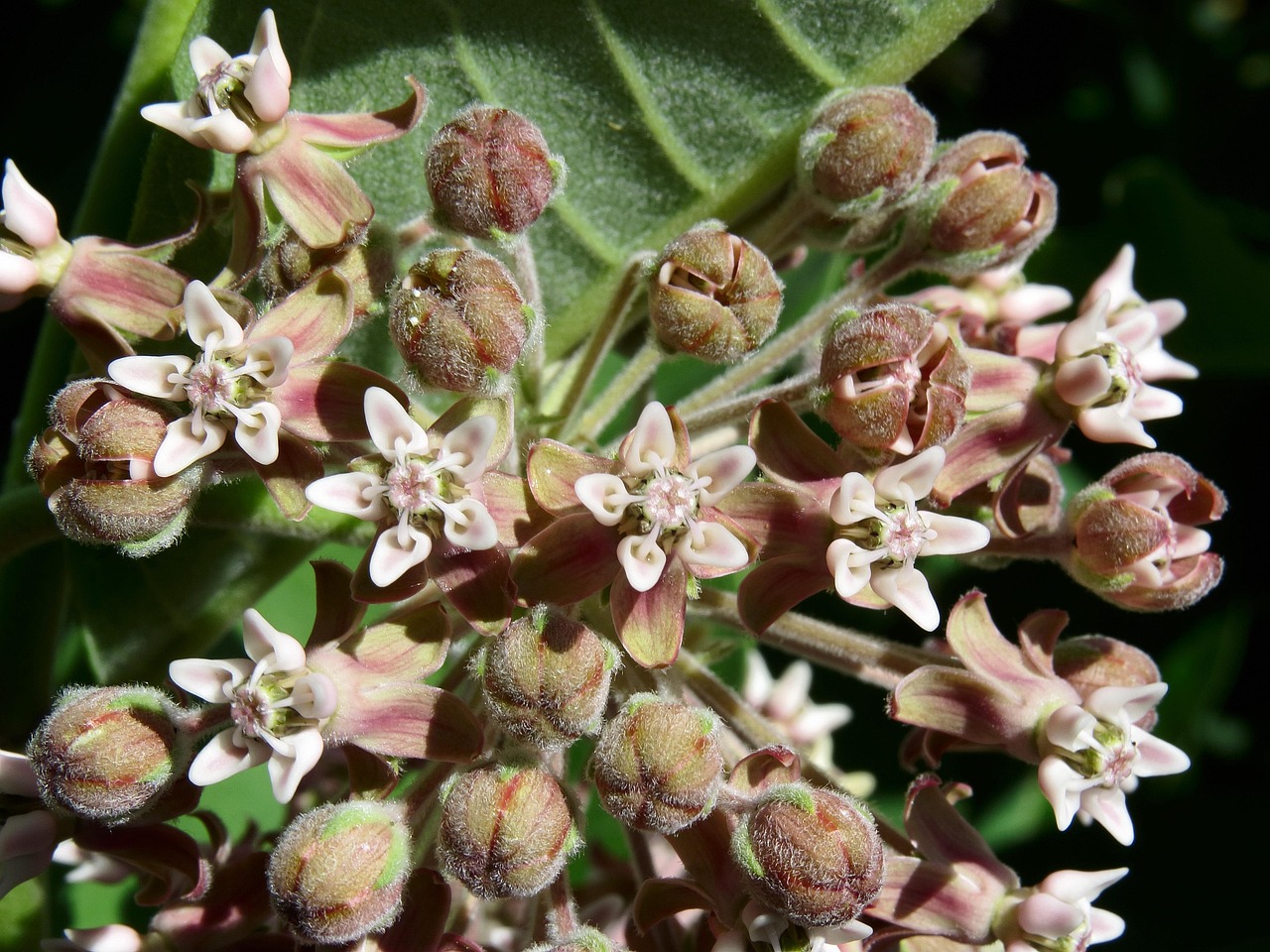
When you’re looking for them, remember that milkweed is easily identified by its distinctive flowers and fruits. With a few simple tips, you can confidently find and recognize this important plant.
Key Features of Common Milkweed Seedlings
- Early Leaves (Cotyledons): The very first leaves that emerge are typically oval-shaped and smooth. They don’t look much like the mature leaves yet.
- True Leaves: As the seedling grows, the leaves will become broader and may have a slightly fuzzy texture, especially on the underside. You’ll notice a prominent central vein with smaller veins branching off.
- Milky Sap: A defining characteristic of most milkweed species, including common milkweed, is the milky white sap that oozes from the stem or leaves when they are broken or damaged. This sap can be a bit sticky.
- Stem: The young stems are usually green and can be slightly fuzzy. They tend to grow upright.
It’s important to note that while common milkweed seedlings share some traits with other plants, the presence of that milky sap is a strong indicator that you’re on the right track.
Why Seedling Identification Matters
Knowing how to spot these young plants is more than just a gardening curiosity. It’s a direct way to contribute to monarch butterfly conservation. By identifying and protecting common milkweed seedlings, you’re helping to ensure there are enough host plants available for monarch caterpillars. This is especially important as natural habitats for milkweed can be limited. Learning the basics of common milkweed seedling identification is a great first step for anyone wanting to make a difference for these amazing insects.
When Do Milkweed Seedlings Appear? Germination Timing
Milkweed seedlings typically start to show up in the spring, usually after the last frost has passed. The exact timing can shift a bit depending on your local climate and the specific milkweed species. For common milkweed, you’ll often see the first little sprouts pushing through the soil sometime in April or May in many parts of its range.
Factors Influencing Germination Timing
Several things can affect when you’ll see those first milkweed sprouts:
- Soil Temperature: Milkweed seeds need warm soil to germinate. Cold, damp ground will keep them dormant.
- Moisture Levels: Consistent moisture is key. Too dry, and they won’t sprout; too waterlogged, and they might rot.
- Light Exposure: While not as critical for germination itself as temperature and moisture, the amount of sunlight the soil receives can influence the overall warmth.
- Stratification: Many milkweed seeds require a period of cold, moist conditions (stratification) over winter to break dormancy. If seeds didn’t get enough cold, they might sprout later or not at all.
It’s important to remember that not every seed will sprout at the same time. You might see a few seedlings pop up early, followed by more a week or two later, especially if conditions fluctuate.
Observing Seedlings in Different Regions
In warmer southern regions, you might see milkweed seedlings appearing as early as March. Conversely, in cooler northern climates or areas with late frosts, you might not see any activity until well into May or even early June. Keeping an eye on your local weather patterns and soil conditions will give you the best clue as to when to expect them. If you’re trying to identify field bindweed leaves and milkweed seedlings side-by-side, timing is one of the first differences you’ll notice.
Recognizing Cotyledons: First Leaves on the Seedling
When a milkweed seed first sprouts, it won’t look much like the mature plant we often picture. The very first leaves to emerge are called cotyledons. These aren’t true leaves; they’re more like starter leaves that come right out of the seed itself.
Common milkweed cotyledons are typically oval or somewhat egg-shaped, and they grow directly opposite each other on the stem. They are usually smooth and lack the fuzziness that can appear on later leaves. Think of them as the seedling’s initial energy source, providing nourishment until the plant can develop its more robust true leaves.
Here’s a quick rundown of what to look for:
- Shape: Generally oval to elliptical.
- Arrangement: Grow in pairs, directly across from each other on the stem.
- Texture: Usually smooth, without hair.
- Color: Typically a light to medium green.
It’s important to note that these initial leaves are quite delicate. They don’t have the same vein patterns or the characteristic milky sap that you’ll find in the true leaves and stems of a developing milkweed plant. Identifying these early stages can be tricky, but recognizing the paired, smooth, oval cotyledons is your first clue that you might have a milkweed seedling. Getting a good look at milkweed flowers and fruits can help confirm identification later on.
Sometimes, people mistake other seedlings for milkweed at this very early stage. The key is to remember that these first leaves are simple and paired. If you see leaves that are already lobed, toothed, or arranged in a different pattern, it’s likely not a common milkweed seedling.
Identifying True Leaves: Shape, Hair & Vein Patterns

Once you’ve spotted the initial leaves, called cotyledons, the next step is to look at the true leaves that start to emerge. These are the ones that give away a milkweed seedling. Common milkweed (Asclepias syriaca) leaves are typically opposite each other on the stem, meaning they grow directly across from one another. They aren’t usually toothed along the edges; instead, the margins are smooth and can sometimes appear wavy.
The leaves themselves are generally oval or egg-shaped, tapering to a point at the tip. They feel a bit soft and can have a slightly fuzzy texture, especially when they’re young. You might notice a network of veins running through the leaf, which can be quite prominent.
Here’s a quick rundown of what to look for:
- Leaf Arrangement: Always opposite on the stem.
- Leaf Shape: Oval to egg-shaped, tapering to a point.
- Leaf Margins: Smooth, not toothed, sometimes wavy.
- Leaf Texture: Slightly fuzzy or soft to the touch.
- Vein Pattern: Visible network of veins.
It’s helpful to compare these features to other plants. For instance, dogbane, a common look-alike, also has opposite leaves, but they tend to be glossier, more pointed, and the plant often branches more than common milkweed. Learning these differences helps you avoid confusion and correctly identify milkweed for monarch butterflies. If you’re interested in learning more about plant identification, exploring resources on plant patterns can be very useful.
Remember that while milkweed is vital for monarchs, some other plants might look similar. Paying close attention to the leaf shape, texture, and arrangement is key to making sure you’re nurturing the right plant.
Milky Sap: A Key Identification Feature
The Tell-Tale Sap
One of the most reliable ways to identify a milkweed seedling, even before its leaves fully develop, is by its sap. If you gently break a leaf or snap the stem of a true milkweed seedling, you’ll notice a white, milky liquid oozing out. This isn’t just any white liquid; it’s a latex sap that is characteristic of the Asclepias genus. This sap is a defense mechanism for the plant, making it unpalatable to many insects and animals. It’s a pretty distinctive feature, so if you see this white sap, you’re likely looking at a milkweed.
- Observe the sap: Gently pinch or break a small part of the stem or a leaf.
- Note the color: The sap should be distinctly white and milky.
- Consistency: It tends to be somewhat sticky or viscous.
This milky sap is a key indicator, helping to distinguish milkweed from other plants that might share similar leaf shapes or growth habits in their early stages. It’s a natural signal that you’ve found a plant vital for monarch butterflies.
While most milkweed species produce this sap, the amount and thickness can vary slightly. However, the presence of white, milky sap upon breaking the stem or leaf is a strong confirmation that you’ve identified a milkweed seedling. This trait is consistent across different species, making it a universally helpful identification marker. Remember to handle the seedlings gently when checking for sap, as they are still quite delicate. If you’re collecting seeds or transplanting, you might notice this sap more readily. For instance, when collecting silver maple seeds, you won’t find any such sap, which is another way to differentiate.
Stem Characteristics: Hairiness, Color & Growth Habit
When you’re trying to spot common milkweed seedlings, take a good look at their stems. They’re usually pretty hairy, which is a big clue. The color can vary a bit, often showing shades of green that might have a reddish or purplish tint, especially when they’re young or exposed to more sun. These stems tend to grow upright, and while a single seedling might start on its own, common milkweed is known for spreading from underground roots, so you might see them popping up in little groups later on.
Here’s a quick rundown of what to look for:
- Hairs: The stems are noticeably fuzzy or downy. This is a key characteristic.
- Color: Generally green, but can develop red or purplish hues.
- Growth: Starts as a single stem but can spread from rhizomes, leading to clumps.
It’s important to remember that while the stems are hairy, the degree of hairiness can change as the plant matures. Young seedlings might seem less fuzzy than older plants. Also, the stem’s sturdiness can give you a hint; they’re generally quite robust.
Pay attention to the texture of the stem. The fine hairs are a strong indicator that you’re looking at a milkweed plant, and specifically, common milkweed if other features match up. This detail helps differentiate it from smoother-stemmed plants.
If you’re trying to identify common milkweed plants, the stem is a good place to start your investigation. It’s one of the first things you’ll notice as the seedling emerges from the soil.
Seedling Growth Pattern: Clumping from Rhizomes vs. Seed

Milkweed seedlings can pop up in your garden in a couple of ways, and knowing how they spread can help you tell them apart. Some milkweed plants spread underground using root-like structures called rhizomes. This means a single plant can send up multiple shoots, making it look like a clump of seedlings. These rhizomes can spread quite a bit, so one plant can actually become a whole patch over time. It’s like a hidden network underground!
Other milkweed plants start from seeds that blow in the wind. These seedlings will usually pop up as individual plants, spaced further apart, unless the seeds happen to land very close together.
Clumping Behavior
- Rhizome Spread: Plants originating from rhizomes often appear in tight clusters or patches. You might see several stems emerging from a very small area.
- Seed Spread: Seed-propagated seedlings are typically more scattered, appearing as individual plants.
- Observation: Pay attention to how the seedlings are grouped. If they are very close together and seem to originate from a single point underground, it’s likely rhizome spread.
Distinguishing from Seedlings
It can be tricky to tell if a clump is from rhizomes or just a dense seeding. However, if you notice that the stems in a clump are very similar in age and size, it leans towards rhizome growth. Seedlings from wind-blown seeds might show more variation in size and age as they establish at different times.
Understanding how your milkweed is spreading helps in managing its growth in your garden. It’s a fascinating look at plant reproduction right in your backyard.
Identifying Milkweed Plants
If you’re trying to identify milkweed plants, look for their unique flowers and fruits. With a few simple tips, you can confidently locate and recognize milkweed plants.
Common Milkweed vs. Look-Alikes: Avoiding Confusion

It’s easy to get excited when you spot what you think are milkweed seedlings, especially if you’re hoping to attract monarchs. But sometimes, other plants can look quite similar, especially when they’re young. Knowing the differences can save you some trouble and make sure you’re providing the right food source for those hungry caterpillars.
Dogbane (Apocynum cannabinum)
Dogbane is a common plant that often gets mistaken for milkweed. Its leaves can look a lot like common milkweed leaves, which is where the confusion starts. The big issue here is that monarch caterpillars can’t eat dogbane. While it has a milky sap like milkweed, the plant itself isn’t a food source for them. So, if you’re trying to help monarchs, it’s important to tell these two apart.
Purple Loosestrife (Lythrum salicaria)
Purple loosestrife is another plant that can sometimes be mistaken for milkweed, especially if you’re not looking too closely. It’s considered a noxious weed in many areas, so you don’t want it taking over your garden. While it might have a similar growth habit when young, its mature flowers are quite different – think tall spikes of purple, not the familiar milkweed blooms.
Butterfly Weed (Asclepias tuberosa)
Butterfly weed is a type of milkweed, but it’s quite different from common milkweed, especially in its seedling stage and mature form. One of the most noticeable differences is the sap: butterfly weed has clear sap, not the milky white sap that’s a hallmark of common milkweed. Also, its leaves are typically narrower and more hairy than common milkweed. The flowers are a vibrant orange, which is a dead giveaway when the plant matures.
Swamp Milkweed (Asclepias incarnata)
Swamp milkweed is another milkweed species, but its seedlings can be distinguished from common milkweed. While both have milky sap, swamp milkweed leaves are generally narrower and taper to a sharper point compared to the broader, more oval leaves of common milkweed. The stems of swamp milkweed might also branch more readily than common milkweed. It prefers wetter conditions, too, so if your soil is consistently damp, it might be swamp milkweed.
Showy Milkweed (Asclepias speciosa)
Showy milkweed is another relative, and its seedlings can share some similarities. However, showy milkweed leaves are typically wider and have a more felt-like texture due to fine hairs, especially on the underside. The stems can also be quite hairy. When they mature, the flower clusters are larger and more rounded than those of common milkweed.
Swamp or Showy Milkweed Seedlings: How They Differ
While common milkweed is a familiar sight, other milkweed species can pop up in your garden, and it’s helpful to know how they differ, especially if you’re aiming to support monarch butterflies. Two common relatives you might encounter are swamp milkweed and showy milkweed.
Swamp Milkweed (Asclepias incarnata) Seedlings
Swamp milkweed seedlings tend to have narrower leaves compared to common milkweed. The leaves are typically smooth along the edges and taper to a sharper point. You’ll often find swamp milkweed in wetter areas, like ditches or near water bodies, which can be a clue to its identity. The stems are generally smooth and can be a bit more slender than those of common milkweed. The leaves of swamp milkweed are usually arranged oppositely on the stem.
Showy Milkweed (Asclepias speciosa) Seedlings
Showy milkweed seedlings can be a bit more robust. Their leaves are generally broader and more oval-shaped than common or swamp milkweed, and they often have a slightly fuzzy or velvety texture. The edges of the leaves are typically smooth. Showy milkweed also prefers areas with consistent moisture, similar to swamp milkweed. The stems of showy milkweed are often thicker and can have a grayish-green hue, sometimes with a fine, downy hair. Like other milkweeds, they will produce a milky sap when broken.
Key Differences at a Glance
It’s important to remember that young seedlings can look quite similar. Observing the plant as it matures, particularly the leaf shape and arrangement, will provide the clearest identification. The presence of milky sap is a good indicator for all milkweed species, but distinguishing between the types relies more on subtle differences in leaf and stem characteristics. Identifying swamp milkweed correctly is key for certain habitats.
Soil and Light Conditions Where Seedlings Thrive
Common milkweed seedlings, like many native plants, have specific preferences when it comes to where they sprout and grow best. Understanding these conditions can help you identify them in your garden and provide the right environment for their development.
Sunlight Requirements
Milkweed plants generally need a good amount of sun to thrive. Seedlings are no different. They typically do best in locations that receive at least six to eight hours of direct sunlight per day. While some young plants might tolerate partial shade, prolonged exposure to deep shade can lead to leggy, weak growth, making them more susceptible to pests and diseases. Full sun is the ideal condition for robust milkweed seedling development.
Soil Preferences
When it comes to soil, common milkweed is quite adaptable, but it does have some preferences. These seedlings generally prefer well-draining soil. This means the soil shouldn’t hold too much water, which can lead to root rot. Sandy or loamy soils are often good choices. While common milkweed can tolerate a range of soil types, including clay, the soil mustn’t be constantly waterlogged. If you have heavy clay soil, amending it with compost can improve drainage. For those looking to support specific milkweed species, remember that some, like swamp milkweed, are more tolerant of moist conditions. However, for common milkweed, good drainage is key.
Factors Affecting Germination and Early Growth
Several environmental factors play a role in how well milkweed seeds germinate and how their seedlings establish:
- Temperature: Milkweed seeds often require a period of cold stratification to break dormancy, mimicking winter conditions. Once temperatures warm up in spring, germination can occur.
- Moisture: Consistent moisture is needed for germination, but once the seedling is established, it prefers not to sit in soggy soil.
- Soil pH: While milkweed is adaptable, it generally prefers slightly acidic to neutral soil pH levels.
It’s interesting how these plants, so vital for monarch butterflies, have such specific needs early on. Getting the soil and light just right can make a big difference in whether a tiny seedling makes it to a strong, mature plant. It’s not just about tossing seeds out there; it’s about giving them a fighting chance in a suitable spot.
If you’re trying to encourage milkweed growth, consider planting in areas that naturally receive plenty of sun and have soil that drains well. This mimics the conditions found in open fields and prairies where milkweed often grows. Understanding that these milkweed plants thrive in full sun and prefer well-draining soil, which are excellent conditions for milkweed growth.
Transplanting vs. Natural Colonization of Seedlings
Milkweed seedlings can appear in your garden in two main ways: either through natural seed dispersal or by being intentionally transplanted. Understanding the difference helps in managing your garden and supporting monarch butterflies effectively.
Natural Seed Dispersal
When common milkweed seeds are ready, they develop into fluffy seed pods. These pods break open, and the seeds, carried by the wind, can land in new locations. If a seed finds suitable soil and conditions, it will germinate and grow into a seedling. This process is how milkweed naturally spreads and colonizes new areas. You might find seedlings popping up in unexpected spots, often a few feet away from the parent plant, or even further if the wind is strong.
Transplanting Seedlings
Gardeners often transplant milkweed seedlings to establish them in specific locations, especially for monarch conservation efforts. This involves carefully digging up young plants, often with their root systems intact, and moving them to a new spot. It’s important to know where your seedlings came from. If you’re moving seedlings from one part of your yard to another, or from a nursery, you’re controlling their placement. This method is useful for creating dedicated monarch habitats or filling in gaps in existing gardens. Remember, planting milkweed is a great way to help monarchs, but it’s best to use locally sourced seeds to support native ecosystems.
Distinguishing Between the Two
It can be tricky to tell if a seedling arrived naturally or was transplanted. Generally, naturally dispersed seedlings might appear more randomly. Transplanted seedlings are usually found in areas where someone has actively planted them. If you’re unsure, consider the context of your garden. Have you recently planted milkweed? Are the seedlings clustered in a way that suggests intentional placement? Observing the root structure can also offer clues; transplanted seedlings might show signs of having their roots disturbed, though this is not always apparent in very young plants. For instance, some gardeners have noted that the stems of Asclepias tuberosa don’t become fuzzy until the plant is several inches tall, which can be a point of confusion when identifying young plants.
Healthy Seedling Signs vs. Stress Symptoms
It’s important to know what a happy milkweed seedling looks like versus one that’s having a tough time. A healthy seedling is usually a good indicator that your efforts are paying off, and it’s set up for success. On the other hand, signs of stress can tell you that something needs adjusting in its environment.
Signs of a Healthy Seedling
- Vibrant Green Color: Look for leaves that are a strong, healthy green. This usually means the plant is getting enough light and nutrients.
- Sturdy Stem: The stem should stand upright and feel firm. A weak or floppy stem might suggest issues with light or water.
- Even Growth: Seedlings should show consistent growth, with new leaves appearing regularly. Uneven or stunted growth can be a red flag.
- Clear Vein Patterns: As leaves develop, the vein structure should become visible and well-defined. This is a sign of good internal development.
Signs of Seedling Stress
- Yellowing Leaves (Chlorosis): This can point to a lack of nutrients, especially nitrogen, or sometimes overwatering. If the yellowing starts between the veins, it might be an iron deficiency.
- Wilting or Drooping: Even if the soil is moist, wilting can happen. It might mean the roots aren’t taking up water properly, possibly due to root rot from too much water, or a lack of water altogether.
- Brown or Crispy Leaf Edges: This often indicates underwatering or too much direct sun, especially for young plants not yet acclimated.
- Leggy Growth: If the stem gets very long and thin with few leaves, the seedling is stretching for light. It needs a brighter location.
- Spots or Lesions: Unusual spots on leaves could be a sign of fungal diseases, often brought on by poor air circulation or excessive moisture on the foliage.
Paying attention to these details can help you catch problems early. Sometimes, a simple change like moving a pot to a sunnier spot or adjusting your watering schedule can make all the difference for a struggling seedling. Remember, consistent observation is key to successful plant care.
Common Issues and Their Visual Cues
| Symptom | Possible Cause(s) |
| Yellowing leaves | Nutrient deficiency, overwatering, poor drainage |
| Wilting | Underwatering, overwatering (root rot), transplant shock |
| Brown, crispy edges | Underwatering, excessive heat, windburn |
| Stunted growth | Poor soil, lack of nutrients, pests, disease |
| Leggy stem | Insufficient light |
| Leaf spots | Fungal or bacterial infection, pests |
It’s also worth noting that sometimes, what looks like stress might just be a natural part of the plant’s growth cycle. For instance, some milkweed varieties might have slightly fuzzy stems or leaves, which isn’t a sign of distress. Comparing your seedling to known images of healthy plants, like those showing common mallow root characteristics, can be helpful, though milkweed is distinct. If you’re unsure, it’s often best to wait a bit and observe before making drastic changes, unless the signs are severe.
Why Identifying Milkweed Seedlings Matters for Monarch Conservation
Knowing your milkweed seedlings is a big deal if you care about monarch butterflies. These plants are the only food source for monarch caterpillars. Without milkweed, monarchs can’t complete their life cycle. So, when you see those tiny seedlings popping up, being able to tell if it’s milkweed or something else is pretty important.
Supporting Monarch Reproduction
Monarch butterflies lay their eggs exclusively on milkweed plants. The caterpillars that hatch then eat the milkweed leaves. If you plant the wrong thing, or if your garden is full of weeds that look like milkweed, monarchs might not find a suitable place to lay their eggs, or the caterpillars might not have the right food. Correctly identifying milkweed seedlings helps ensure that monarchs have the habitat they need to reproduce successfully.
Citizen Science and Data Collection
Many conservation groups rely on volunteers to help monitor monarch and milkweed populations. Participating in events like the 10-day outdoor event to support monarch butterfly conservation means you might be asked to identify milkweed. Accurate identification by citizen scientists provides valuable data that researchers use to understand population trends and habitat needs. This information guides conservation strategies.
Creating Monarch Waystations
Gardens and natural areas planted with milkweed serve as vital stops for migrating monarchs. These areas, often called waystations, provide food and habitat. Knowing how to identify and cultivate milkweed seedlings means you can intentionally create these beneficial spaces. It’s about actively contributing to the monarch migration corridor.
Avoiding Harmful Look-Alikes
Some plants can easily be mistaken for milkweed, especially when they are young. Planting or encouraging the growth of these look-alike species instead of milkweed can be counterproductive. It’s like setting out a welcome mat for monarchs but offering them the wrong kind of food. Proper identification prevents you from accidentally planting something that doesn’t support monarchs, or worse, something that might be toxic to them.
Spotting young milkweed plants is super important for helping monarch butterflies. These tiny plants are the only food source for monarch caterpillars, so having plenty of them is key to the butterflies’ survival. Learning to identify them early means you can protect them and make sure there are enough for future generations of monarchs. Want to learn more about how you can help these amazing creatures? Visit our website for tips and resources!
Frequently Asked Questions
When do common milkweed seedlings usually appear?
Common milkweed seedlings typically sprout in the spring, usually after the last frost has passed. You might see them popping up in your garden from late April through May, depending on your local climate.
What do the first leaves, or cotyledons, of a milkweed seedling look like?
The very first leaves on a milkweed seedling are called cotyledons. They are usually small, oval-shaped, and may look a bit different from the later leaves. Think of them as the seedling’s baby leaves!
How can I tell the difference between the first leaves and the true leaves of a milkweed seedling?
True leaves will start to appear after the cotyledons. Common milkweed true leaves are generally oval or egg-shaped, with smooth edges. They might feel a little fuzzy, and you’ll notice a distinct pattern of veins. They grow in pairs opposite each other on the stem.
Does milkweed have a milky sap, and is this a reliable way to identify it?
Yes! If you gently break a milkweed stem or leaf, a milky white sap will ooze out. This is a very helpful sign, though some other plants also have milky sap, so it’s best used with other identification clues.
What should I look for in the stem of a milkweed seedling?
The stem of a young common milkweed plant is usually fuzzy or hairy and can be greenish or sometimes have a reddish tint. As it grows, it tends to stand upright.
How does milkweed spread, and how does this affect how seedlings appear in my garden?
Milkweed can spread through seeds, which have fluffy tops to catch the wind, or through underground roots called rhizomes. If you see several milkweed plants growing very close together, they might have started from the same root system.
What are some plants that are often mistaken for milkweed, and how can I tell them apart?
Dogbane is a common plant that looks similar to milkweed. However, dogbane leaves are typically narrower and more pointed, and its stems are usually smoother, not fuzzy. Also, dogbane pods are long and thin, unlike the fatter pods of common milkweed.
Why is it important to identify milkweed seedlings, especially for monarch butterflies?
Identifying milkweed is crucial for monarch butterflies because it’s the only plant their caterpillars eat! By planting and protecting milkweed, you provide essential food and habitat for monarchs, helping their populations thrive.