
Dying Pine Tree Symptoms: How to Spot Trouble Early

- February 5, 2026
- By Oliver Denver
Pine trees are pretty resilient, but sometimes they just aren’t doing so hot. You might notice your normally green tree looking a bit sad, and it’s natural to wonder what’s going on. Figuring out if your pine tree is in trouble early on can make a big difference. We’re going to look at some common dying pine tree symptoms so you can spot them before things get too serious.
Early Warning Signs to Watch For
Spotting a dying pine tree early can make a big difference, whether it’s about saving the tree or preventing damage to your property. It’s not always obvious, and sometimes what looks like a problem is just a normal part of a pine’s life cycle, like shedding old needles. But when things are really wrong, there are usually some clear signs to look for. Paying attention to these subtle changes is key to catching trouble before it gets too serious.
Several factors can contribute to a pine tree’s decline. It could be something as simple as not enough water during a dry spell, or too much salt from deicing chemicals near a road. Insects and diseases are also common culprits, weakening the tree from the inside out. Sometimes, it’s a combination of issues.
Here are some common indicators that your pine tree might be in trouble:
- Needle Changes: Look for needles turning yellow, brown, or reddish. This can happen all over or just on certain branches. While some browning of older needles is normal, widespread discoloration is a red flag.
- Branch Dieback: Are entire branches turning brown and brittle? This often starts at the tips and moves inward, signaling that the tree can’t supply enough resources to keep them alive.
- Bark Issues: Check the bark for unusual cracks, peeling, or excessive sap oozing out. This can indicate insect activity or disease trying to get into the tree.
- Unusual Needle Drop: Pines naturally shed older needles, usually in the fall. If needles are dropping heavily at other times of the year, or if the tree is becoming sparse, it’s a concern.
- Stunted Growth: New growth might be sparse, or the overall size of the tree might not be increasing as it should. This points to a lack of vigor.
It’s important to remember that pine trees can look a bit rough sometimes without actually being on their last legs. For instance, a tree might shed its inner needles in the fall, which looks alarming but is perfectly normal. However, if you see a combination of these dying pine tree symptoms, it’s time to investigate further. Early detection of dying pine tree symptoms can help you decide on the best course of action, whether that’s providing better care or seeking professional help. Understanding these dying pine tree symptoms is the first step in addressing the problem.
If you notice significant browning or thinning, especially if it affects a large portion of the tree, it might be harder to save the tree. But even with some of these dying pine tree symptoms, a tree can often be nursed back to health with the right interventions. Keep an eye out for these dying pine tree symptoms, and don’t hesitate to get a professional opinion if you’re unsure.
Needle Color Changes as Common Dying Pine Tree Symptoms
Okay, so you’re looking at your pine tree, and those usually vibrant green needles are looking a little… off. It’s totally normal to freak out a bit, thinking the worst. But before you panic, let’s talk about what these color changes can actually mean.
The most obvious sign that something’s up is when needles start turning yellow, brown, or even reddish. This isn’t always a death sentence, though. Sometimes it’s just a sign of stress or a natural process.
Here are a few common reasons why your pine’s needles might be changing color:
- Winter Burn: Ever notice how the side of the tree facing the sun and wind gets hit the hardest? That’s winter burn. Needles might look reddish-brown at the tips, fading to yellow, then green closer to the base. It’s basically the tree getting dried out by harsh winter conditions.
- Dothistroma Needle Blight: This is a fungal thing. You’ll see yellow or tan spots on the needles that turn into dark reddish bands. The tips of the needles beyond the band die off, but the base stays green. You might also see little black spots in the discolored areas. It often shows up worse on the lower parts of the tree.
- Brown Spot Needle Blight: Similar to Dothistroma, this fungus starts with gray-green spots that can become bands. The part of the needle past the band dies, and by fall, many needles might drop. Again, it often starts on the lower branches, and younger trees can get hit pretty hard.
- Ozone Damage: If you live in an area with air pollution, ozone can be a problem. It can cause yellow mottling or brown/black bands on needles, almost like a zebra pattern. The tips might burn, and the whole needle cluster can look a bit tufted because the inner needles drop early.
- Salt Damage: If your pine is near a road where salt is used in winter, salt spray can cause browning, especially on the lower branches closest to the salted pavement.
- Water Issues: Too much or too little water can also mess with needle color, making them turn yellow or brown.
It’s important to remember that pine trees naturally shed older needles every year, usually in the fall or spring. This is totally normal, and the newer needles on the tips of the branches will still be green and healthy. Don’t confuse this natural process with a sign of disease.
Sometimes, a whole section of the tree might look off, or just a few needles here and there. The extent of the discoloration can give you a clue about how serious the problem might be. A few scattered yellow needles are usually less concerning than an entire branch turning brown.
Unusual Needle Drop and Thinning Canopy in Pine Trees
It’s pretty common for pine trees to shed some older needles, usually the ones on the inside, every year. This is totally normal, especially in the fall or spring. But when you start seeing a lot more needles dropping than usual, or the tree looks like it’s getting sparse all over, that’s when you should pay attention. A thinning canopy, where you can see more sky through the branches than you used to, is a big clue that something’s up.
Sometimes, this shedding is just the tree’s way of dealing with seasonal changes or maybe a bit of stress. However, excessive needle drop can also point to more serious issues like disease, insect problems, or environmental stress. It’s like the tree is saying, “Hey, I’m not feeling so great over here!”
Here are a few things that can cause this:
- Annual Needle Drop: As mentioned, pines naturally shed older needles. For Eastern white pines, this often happens in autumn, and the older, inner needles turn yellow before dropping. Newer needles should remain green.
- Drought or Environmental Stress: When pines don’t get enough water or are exposed to harsh conditions like salt spray from roads, they can react by dropping needles to conserve resources.
It’s important to look at the whole picture. Are the needles dropping from the whole tree, or just one side? Are the new needles coming in healthy? If you’re seeing a lot of browning or yellowing needles mixed in with the ones that are falling, it’s a stronger sign of trouble than just a normal shedding of older foliage. Keep an eye on how quickly this thinning happens; a rapid change is more concerning than a gradual one. If you’re unsure, it might be worth checking out the signs of tree health assessment to get a better idea of what’s going on.
Branch Dieback as a Serious Dying Pine Tree Symptom
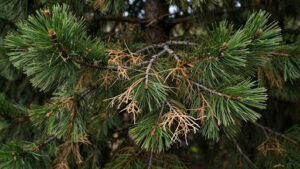
When you start noticing branches on your pine tree turning brown and looking dead, it’s definitely a sign to pay closer attention. This isn’t just a minor issue; it can point to some pretty serious problems going on with the tree’s health.
Several things can cause branches to die off. Sometimes, it’s as simple as water stress. If the tree isn’t getting enough water, especially during dry spells, it might start sacrificing its lower branches to keep the more vital parts alive. You might see these branches turn brown, become brittle, and eventually fall off. Another culprit, particularly if your pine is near a road, could be salt or deicing chemicals used in winter. These can build up in the soil and damage branches, especially those lower down.
Fungal diseases are also a common cause of branch dieback. For instance, Diplodia tip blight can kill needles at the tips of branches, and if it gets bad enough, entire branches can die back to the trunk. You might even see sticky white resin on the affected areas, which is a sign that the fungus is at work. This disease often hits older trees that are already stressed by things like poor soil or drought.
If you see a significant amount of branch dieback, especially if it’s progressing rapidly, it’s a strong indicator that the tree is in trouble. It’s not just about the appearance; these dead branches can become hazards.
Dealing with branch dieback often requires identifying the root cause. If it’s a disease like Diplodia tip blight, specific treatments might be needed. For water stress, adjusting your watering schedule is key. Sometimes, pruning out the dead branches is necessary, but it’s important to do it correctly to avoid further stressing the tree. If the problem is widespread, it might be time to consult with a professional to assess the tree’s chances of recovery.
Cracks, Peeling, or Resin Bleeding on Pine Tree Bark
The bark of a pine tree is like its skin, and any changes there can tell you a lot about its health. When you start seeing cracks, peeling, or a lot of sap oozing out, it’s definitely a sign to pay closer attention.
Sometimes, the bark might just look a bit rough, which is normal for older trees. But if you notice deep cracks that seem to be spreading, or large sections of bark peeling away, that’s not good. It could mean the tree is under serious stress, maybe from disease or insect damage.
Resin bleeding, often called “pitching,” is the tree’s way of trying to seal up wounds. A little bit of sap isn’t usually a problem, but if you see large, sticky blobs of resin all over the trunk or branches, especially near holes or cracks, it’s a strong indicator that something is trying to get inside the tree. This is often a response to boring insects.
Here are some things to look for:
- Cracks: Are they new and deep, or just superficial lines?
- Peeling Bark: Is it coming off in large sheets, or just small flakes?
- Resin Bleeding: Is it a small amount, or is the bark sticky and covered in sap?
- Associated Signs: Are there any holes, sawdust-like material (frass), or discoloration near the bark issues?
It’s also worth noting that some things can mimic these symptoms. For instance, certain fungal diseases can cause cankers on the bark that might look like cracks, and environmental stress like drought can sometimes lead to bark splitting. However, excessive resin flow is almost always a sign of insect activity.
Stunted Growth and Sparse New Shoots in Pine Trees
Sometimes, a pine tree just doesn’t seem to be growing as it should. You might notice that the new growth, the little shoots that pop out each spring, are fewer and farther between than usual. They might also be shorter or look a bit weak. This lack of vigorous new growth is a pretty clear sign that something’s not right.
Here are some things that can cause this stunted growth:
- Too little water: Especially during dry spells, pines can struggle to get enough moisture to support new growth.
- Bad soil: If the soil is too compacted, it’s hard for roots to spread and get what they need. Nutrient-poor soil is also a big problem.
- Disease or pests: Sometimes, hidden problems like fungal infections or insect infestations are draining the tree’s resources, leaving little for new shoots.
- Environmental stress: Things like extreme temperatures, pollution, or even damage from salt spray can weaken the tree.
If you see this happening, it’s worth investigating what might be causing it. Checking the soil, looking for signs of pests, and considering recent weather patterns can give you clues.
Fungal Growth and Discoloration Around the Base
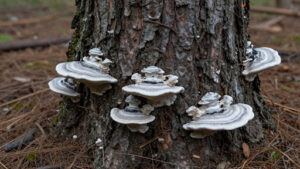
Sometimes, the first signs of trouble with a pine tree aren’t obvious way up in the canopy. You might need to get down low and check out the base of the trunk and the surrounding soil. Fungal growth or unusual discoloration here can be a big clue that something’s not right.
Look for things like fuzzy mold, powdery patches, or even dark, crusty spots on the bark near the ground. Sometimes, you’ll see mushrooms or other fruiting bodies popping up in the soil around the tree’s base, especially after wet weather. These are often signs of decay or disease working its way into the tree from the roots or lower trunk.
A healthy pine tree usually doesn’t have much visible fungal activity at its base.
Here are some common things to watch for:
- Mushrooms or conks: These can indicate root rot or wood decay. While some fungi are harmless decomposers, their presence on a stressed tree is a warning.
- Discolored bark: Dark spots, streaks, or a general sickly appearance on the bark near the soil line can point to fungal infections.
- Powdery or fuzzy patches: These might be mildews or other surface fungi that thrive in damp conditions, potentially weakening the bark.
- Resin flow: While pines naturally produce resin, excessive or unusual amounts of sticky sap oozing from the base can signal an insect infestation or a disease trying to seal off an injury.
It’s important to note that not all fungi are bad. Some are natural decomposers. However, when you see them appearing in unusual abundance or in conjunction with other signs of decline on your pine, it’s time to pay closer attention.
Insect Activity That Signals Dying Pine Tree Symptoms
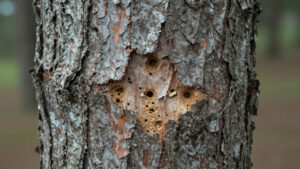
Sometimes, the trouble with your pine tree isn’t so much about the weather or the soil, but about tiny invaders. Insects can really do a number on a pine, weakening it or even killing it outright. You might not see the bugs themselves right away, but they leave behind clues.
One of the most common culprits is the bark beetle. These little guys bore into the tree, and their activity can cause the tree to ooze a lot of sap. You might see these sticky, popcorn-shaped blobs, called pitch tubes, on the trunk. They can be different colors – brown, pink, or even white. Another sign is finding “frass,” which is basically wood dust and insect droppings, stuck in the bark crevices or on the ground around the tree. This is a pretty clear indicator that something is tunneling inside. The Mountain Pine Beetle is a notorious example, and its presence often means trouble for the tree.
Other insects, like pine sawyer beetles, leave behind larger holes, about 3/8 of an inch wide, and a good amount of frass. Then there are the Southern Pine Beetles, which can have multiple generations in a year, meaning they can really overwhelm a tree quickly. Their larvae create tunnels that cut off the tree’s ability to move water and nutrients, leading to a fast decline.
Keep an eye out for other signs too. You might notice an unusual amount of woodpecker or squirrel activity around the tree. These animals are often attracted to insect infestations, as they feed on the bugs. If you see rows of small holes drilled into the trunk, it might be a yellow-bellied sapsucker, which can damage young trees with its feeding habits.
Here are some common insect-related symptoms to watch for:
- Pitch tubes: Sticky, sap-like blobs on the trunk.
- Frass: Sawdust-like material found in bark crevices or on the ground.
- Exit or entry holes: Small holes in the bark where insects have bored in or out.
- Needle discoloration: Needles turning yellow, red, or brown, often starting at the top or tips.
- Sudden wilting or drooping: Especially noticeable in younger trees.
If you suspect an insect problem, it’s best to consult with a certified arborist. They can properly identify the insect and recommend the best course of action, which might involve treatments, pruning, or even removal if the infestation is severe.
Root Damage and Poor Drainage Affecting Pine Health
Sometimes, the problem with a pine tree isn’t what you see on the branches or needles, but way down below, hidden in the soil. The roots are the tree’s lifeline, and if they’re struggling, the whole tree will show it.
Poor drainage is a big one. Pine trees, like most plants, need a balance of water and air around their roots. If the soil stays waterlogged for too long, the roots can’t breathe. This can lead to root rot, a nasty fungal issue that basically suffocates the roots. You might start seeing yellowing or browning needles, especially on the lower parts of the tree, and the overall vigor of the tree just seems to fade.
Root damage can also happen from physical stuff. Think about construction nearby, or even just heavy equipment driving over the root zone. Compacted soil from foot traffic or vehicles can also make it hard for roots to spread and get what they need. When roots are damaged or can’t grow properly, the tree can’t take up water and nutrients as it should.
Here are some signs that root issues might be the culprit:
- Needles turning yellow or brown, often starting from the inside out.
- A general thinning of the canopy, making the tree look sparse.
- The tree might lean more than it used to, especially after heavy rain or wind.
- New growth is weak and stunted, or doesn’t appear at all.
Sometimes, you might even see mushrooms or other fungal growth around the base of the tree. While not all fungi are bad, in this context, they can be a sign that the roots are stressed or decaying due to poor conditions.
Soil Compaction and Nutrient Deficiency Indicators
Sometimes, the problem with a struggling pine tree isn’t obvious. It might be hiding right under the surface, in the soil itself. Compacted soil is a big one, making it tough for roots to get air and water. Think about it – if you’ve got heavy equipment driving over the ground near your tree, or even just a lot of foot traffic, the soil gets squeezed tight. This makes it hard for roots to spread out and do their job.
Then there’s the issue of nutrients. Pines, like all plants, need a good mix of things from the soil to stay healthy. If the soil is lacking in key elements, the tree will show it. This can lead to slower growth, paler needles, and a general lack of vigor. It’s like trying to run a marathon without eating enough – you just won’t have the energy.
Here are some signs to look for:
- Needle Color: Needles might start to look a bit washed out, maybe a pale green or even yellowish, especially on older needles first.
- Slowed Growth: You might notice that new growth is sparse, or the tree just isn’t getting any taller or wider like it used to.
- Increased Susceptibility: A tree that’s weak from poor soil conditions is an easier target for pests and diseases.
Sometimes, the simplest explanation is the right one. Before you start worrying about exotic diseases or rare pests, take a good look at the ground around your pine tree. Is it hard and packed down? Does it drain poorly after it rains? These basic conditions can have a huge impact on your tree’s long-term health.
Environmental Stress
Pine trees, as majestic as they are, can really struggle when the environment throws them a curveball. It’s not always about bugs or diseases; sometimes, it’s just plain tough conditions that get them down. Think about extreme weather – we’re talking about those scorching summer droughts that leave the ground hard as a rock, or those brutal winter freezes that can shock the system. Even something as seemingly minor as road salt can be a huge problem, especially for pines planted too close to driveways or streets.
These environmental stressors weaken the tree, making it a prime target for other issues. It’s like a domino effect. When a tree is already fighting for survival due to a lack of water or chemical exposure, it doesn’t have much energy left to fend off pests or infections.
Here are some common environmental culprits:
- Drought: Extended dry spells mean the tree can’t get enough water. It might start by shedding needles from the bottom up, trying to conserve what little moisture it has for the top growth.
- Extreme Temperatures: Both intense heat and deep freezes can damage needles and bark. Sunscald, especially on younger trees, can happen when the sun warms the bark during the day and then a hard freeze at night causes damage.
- Salt Damage: Deicing salts used on roads can get into the soil and onto the needles, causing browning and needle drop, particularly on the side of the tree facing the road.
- Poor Drainage/Waterlogging: While drought is bad, too much water can also kill a pine. If the soil stays soggy, the roots can’t breathe and start to rot.
- Air Pollution: Things like ozone can cause yellowing or browning patterns on needles, sometimes looking like bands or mottling.
How Seasonal Changes Can Reveal Pine Tree Decline
You know, sometimes the best way to figure out what’s going on with your pine tree is to just pay attention to what happens throughout the year. What looks like a problem in, say, July might be totally normal in November. It’s all about context, right?
Spring is usually a time for new growth, so if you see sparse new shoots or needles that are a weird color when they should be vibrant green, that’s a flag. It’s like the tree is trying to wake up, but just can’t quite get going. This could point to issues from the previous year, like root problems or stress from winter.
Summer is when things should be in full swing. If your pine starts dropping a lot of needles, especially the older, inner ones, and they’re turning yellow or brown before fall, that’s not good. This is often when drought stress really shows up, or maybe a fungal disease has taken hold and is spreading.
Fall is when pines naturally start to shed some of their older needles. This is totally normal. You’ll see the inner needles turn yellow or brown and then drop off, but the new growth on the tips should still be green and healthy. If the new needles are the ones changing color, or if the whole tree looks sickly, that’s a different story. It could be a sign of nutrient deficiency or even something like salt damage if you live near a road that gets treated in winter.
Winter can be tough on any tree. Evergreens are especially vulnerable to what we call ‘winter burn.’ This happens when the tree loses moisture from its needles on dry, windy, or sunny winter days, and it can’t replace it because the ground is frozen. You’ll see the needles turn reddish-brown, usually on the sides of the tree that get the most sun and wind. It looks bad, but if the buds are still alive, the tree can often recover in the spring.
Here’s a quick rundown:
- Spring: Look for weak new growth, off-color needles on new shoots.
- Summer: Watch for excessive needle drop, browning, or wilting.
- Fall: Normal shedding of old needles is okay; widespread browning of new needles is not.
- Winter: Browning from wind/sun exposure (winter burn) is common; persistent browning after thaw is concerning.
So, basically, keep an eye on your pine throughout the year. What looks like a problem in one season might just be nature doing its thing, but if it seems out of place for that time of year, it’s probably worth looking into more closely.
When Dying Pine Tree Symptoms Become Irreversible
Sometimes, despite our best efforts, a pine tree has just gone too far. It’s tough to admit, but some signs tell you it’s time to let go. When a significant portion of the tree’s needles has turned brown or red, and the green foliage is sparse, recovery is unlikely. This widespread discoloration, especially if it’s happening rapidly, means the tree’s vascular system is likely too damaged to transport water and nutrients effectively anymore.
Think about it like this: if most of the leaves on a houseplant are crispy and brown, you wouldn’t expect it to bounce back to full glory, right? A pine tree is no different, just on a much larger scale.
Here are a few more indicators that a pine tree’s condition is probably beyond saving:
- Extensive branch dieback: If large sections of branches are dead, brittle, and devoid of needles, and this is happening all over the tree, it’s a bad sign.
- Visible signs of serious pest infestation: While some insects can be managed, seeing widespread evidence of boring insects, like numerous exit holes and significant frass (insect droppings) covering the trunk and branches, often means the damage is too serious.
- Root system compromised: If you notice the tree is leaning significantly, or the soil around the base is constantly waterlogged and showing signs of decay, the roots might be too far gone.
- Complete lack of new growth: Even stressed trees might try to put out a few new shoots. If there’s absolutely no new growth in the spring, it’s a strong signal that the tree isn’t viable.
What to Do After Identifying Dying Pine Tree Symptoms
So, you’ve gone through the checklist and are pretty sure your pine tree is on its way out. It’s a tough realization, I know. The first thing to do is really assess the situation. Is it just a few yellow needles, or is the whole tree looking rough? This will help you figure out the next steps.
Here’s a breakdown of what you might consider:
- Consult a Professional: This is probably the most important step. A qualified tree care professional can accurately diagnose the problem. They’ve seen it all and can tell you if there’s a chance for recovery or if it’s time to plan for removal. They can help you understand if treatment is even possible.
- Address Immediate Threats: If the tree is leaning precariously or has large dead branches that could fall, you need to think about safety. This might mean cordoning off the area or, in severe cases, arranging for the tree’s removal to prevent damage to your property or anything nearby.
- Consider Environmental Factors: Think about what might have caused the decline. Was there a recent drought? Did you use a lot of salt on nearby walkways? Sometimes, fixing the environmental issue can help a stressed tree bounce back, especially if the problem isn’t too far gone.
- Manage Pests and Diseases: If insects or a fungal issue are identified, there are often treatments available. Your arborist can advise on the best course of action, which might involve pruning, specific treatments, or even preventative measures for nearby trees.
If the tree is beyond saving, the next step is planning for its safe removal. This prevents potential hazards down the line. It’s a sad part of tree ownership, but sometimes it’s the necessary one. You can find local services that specialize in tree removal if that becomes the case.
Once you’ve spotted the signs that your pine tree isn’t doing well, it’s time to take action. Don’t wait too long to figure out what to do next. Our team can help you assess the situation and provide the best solutions for your tree’s health. Visit our website today to learn more about our services and get a free quote!
Frequently Asked Questions
What are the first signs that a pine tree is in trouble?
Look out for changes in your pine tree’s needles. If they start turning brown, yellow, or reddish, especially if it’s happening all at once or in patches, that’s a big clue. Also, if needles are falling off much more than usual, or if the top of the tree looks bare and thin, these are early warning signs.
Why are my pine tree’s needles turning brown?
Brown needles can mean a few things. It could be that the tree isn’t getting enough water, especially during dry spells. Sometimes, diseases like needle blight can cause this. Also, if your tree is near a road, salt used for de-icing can damage the needles.
Is it normal for pine trees to lose needles?
Yes, it’s completely normal for pine trees to shed some of their older, inner needles each year. This usually happens in the fall or spring. The key is to look at the new growth – if the new needles are green and healthy, and only the older ones are dropping, your tree is likely fine.
What does it mean if branches on my pine tree are dying?
When branches start to die, it’s a more serious sign. It could be due to severe water stress, where the tree sacrifices lower branches to save itself. It can also indicate a disease or insect problem that’s attacking those specific branches.
What should I look for on the bark of a pine tree that might be sick?
Check the bark for cracks, peeling, or unusual amounts of sap oozing out. Small holes in the bark can be a sign of boring insects, like bark beetles, trying to get inside the tree. Lots of sticky sap often means the tree is trying to fight off an invader.
How can I tell if my pine tree is growing poorly?
If your pine tree isn’t growing as it used to, or if the new shoots in the spring are very small and sparse, it might be struggling. This can happen if the tree isn’t getting enough nutrients from the soil or if its roots are damaged.
Are mushrooms or fungi around the base of a pine tree a bad sign?
Yes, seeing mushrooms or other fungal growth at the base of your pine tree can be a sign of root rot or other serious diseases. This means the tree’s foundation is compromised, and it needs attention quickly.
What kind of insects cause problems for pine trees?
Pine trees can be attacked by various insects. Bark beetles are common and tunnel into the tree. Bagworms chew on needles. Sapsuckers, a type of woodpecker, drill rows of holes. These pests can weaken the tree or even kill it.
How does soil affect a pine tree’s health?
Pine trees need well-draining soil. If the soil stays too wet for too long (poor drainage), the roots can rot. Also, if the soil is packed down too tightly, it’s hard for roots to get air and water. If the soil lacks important nutrients, the tree won’t grow well either.
Can weather or environmental factors make a pine tree sick?
Absolutely. Extreme weather like severe drought, heavy ice storms, or strong winds can stress or damage pine trees. Pollution, like ozone in the air, can also harm their needles. Planting trees too close to roads where salt is used is another common issue.
How do seasonal changes help show if a pine tree is unhealthy?
Seasonal changes can highlight problems. For example, if needles turn brown in winter (winter burn) due to sun and wind, it’s different from a disease that might show up in summer. Also, noticing if a tree sheds needles out of season can be a clue.
When is it too late to save a dying pine tree?
If a large portion of the tree’s needles has turned brown or red, or if the trunk shows signs of decay or extensive insect damage, it might be beyond saving. A tree leaning significantly due to root problems is also a critical sign that it may need to be removed.