
When Do Live Oaks Lose Their Leaves, and Is It Normal?

- January 2, 2026
- By Oliver Denver
So, you’ve got a live oak, and you’re noticing it’s dropping leaves. Maybe you’re thinking, ‘Uh oh, is this tree dying?’ It’s a common worry, especially since we often think of oaks as the trees that keep their leaves all year. But let me tell you, what you’re seeing is usually totally normal. We’re going to break down why do live oaks lose their leaves and what to look out for.
When Do Live Oaks Lose Their Leaves? An Overview of Leaf-Shedding Patterns
It’s that time of year again when many people start to worry about their live oak trees. You look out the window and see a lot of leaves on the ground, or maybe the tree just looks… well, a bit bare. This often sparks a question: when exactly do live oaks shed their leaves, and is this normal? The short answer is that live oaks do shed their leaves, but not in the way you might expect from other oak varieties.
Unlike deciduous trees that dramatically drop all their leaves in the fall, live oaks have a more staggered approach. They are often called “evergreen” because they keep their leaves year-round, but this isn’t entirely accurate. They undergo a natural process of shedding old leaves to make way for new growth. This shedding isn’t a single, dramatic event but rather a gradual process that happens at a specific time of year.
Here’s a general idea of what to expect:
- Timing: The primary leaf drop for live oaks typically occurs in the spring, often starting in late winter or early spring. Think February through April, though this can shift a bit depending on the weather.
- Appearance: During this period, you might see yellowing, browning, and eventually falling leaves. Some trees might look quite sparse, almost as if they’re dying, while others might only shed a portion of their foliage.
- New Growth: The interesting part is that new leaves often start to emerge while the old ones are still dropping. This means your tree might be a mix of old and new foliage for a while.
It’s easy to mistake this natural shedding for a sign of distress, especially if you’re used to trees that hold onto their leaves until the cold weather hits. But this yearly renewal is a healthy part of the live oak’s life cycle.
This shedding is a natural part of the tree’s annual cycle, a way for it to refresh itself and prepare for the warmer months ahead. It’s not a sign of disease or a problem, but rather a testament to the tree’s ongoing vitality.
Live Oaks: Evergreen or Not? Understanding Their Leaf Habits
So, you’ve got a live oak, and you’re wondering if it’s supposed to be green all year, right? It’s a common question because, well, they’re called ‘live’ oaks, and most other oak trees drop their leaves in the fall. It can be a bit confusing when you see your live oak shedding leaves, especially if it happens when you least expect it.
The truth is, live oaks aren’t truly evergreen in the way some people imagine. They do shed their leaves, but it’s not like the dramatic autumn show other oaks put on. Instead, live oaks have a unique cycle where they replace their old leaves with new ones, usually in the spring. Think of it less like a deciduous tree losing leaves for winter and more like a refresh.
Here’s a breakdown of what’s going on:
- Seasonal Refresh: Live oaks typically shed their older leaves as the weather starts to warm up, usually in late winter or early spring. This is when new growth begins.
- Gradual Replacement: Unlike some trees that drop all their leaves at once, live oaks often replace theirs gradually. You might see new buds forming and tiny leaves unfurling while older leaves are still hanging on or just starting to turn.
- Appearance Changes: During this transition period, a live oak might look a bit sparse or even a little sickly. The old leaves can turn yellow or brown before they fall, which can be alarming if you’re not expecting it.
It’s important to remember that this leaf-shedding process is a natural part of the live oak’s life cycle. They aren’t dying or sick; they’re just getting ready for a new season of growth. This shedding helps them conserve energy and prepare for the warmer months ahead.
So, if you see your live oak losing leaves in the spring, don’t panic! It’s usually a sign that your tree is healthy and getting ready to put on its fresh, green coat for the year.
Seasonal Timing: When Do Live Oaks Lose Their Leaves Each Year
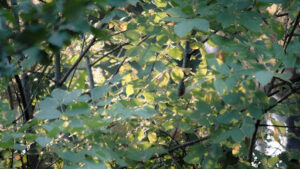
So, when exactly do live oaks decide it’s time to shed their old leaves? It’s not like they have a calendar marked with ‘Leaf Drop Day.’ Generally, this whole process kicks off as the weather starts to warm up after winter. Think late January or February in many warmer climates, stretching into March and even early April in cooler areas. This is when the tree is getting ready to push out all that fresh, new growth for spring and summer.
It’s important to remember that live oaks aren’t like deciduous trees that go completely bare in the fall. They are often called ‘evergreens,’ but that’s a bit of a misnomer. They don’t drop all their leaves at once. Instead, they do a gradual swap. Some old leaves will yellow and brown, and then fall off, while new buds are already forming and getting ready to unfurl.
Here’s a general timeline to keep in mind:
- Late Winter (January-February): This is when you might start noticing the first signs. Leaves may begin to yellow, and some might start dropping. This is often the period when the tree is entering its dormant phase or just coming out of it.
- Early to Mid-Spring (March-April): This is typically the peak time for leaf drop. You’ll see a significant amount of old leaves falling, and new growth will become more apparent. The tree might look a bit sparse during this phase.
- Late Spring (May): By this time, most of the old leaves should have fallen, and the tree should be sporting a full canopy of new, vibrant green leaves.
The timing can really vary from tree to tree, even ones right next to each other. It’s not a synchronized event across the entire species. Factors like genetics, local weather patterns, and the tree’s overall health play a big role in when and how intensely a live oak sheds its leaves.
It’s easy to worry when you see leaves falling, especially if you’re used to other trees that drop theirs in the autumn. But for live oaks, this spring shedding is a completely normal part of their yearly cycle. They are just getting rid of the old to make way for the new, ensuring they’re ready for the warmer months ahead. So, if you see your live oak dropping leaves in late winter or early spring, don’t panic – it’s likely just doing its thing!
Regional Differences in Leaf Drop Timing for Live Oaks
You know, it’s pretty interesting how trees, even of the same kind, can act a little differently depending on where they’re planted. Live oaks are no exception to this. While we generally talk about them shedding leaves in the spring, the exact timing can shift based on your location.
Think about it: a live oak chilling in Florida might experience warmer weather earlier than one hanging out in North Carolina. This means the Florida tree could start its leaf-renewal process sooner. It’s not a huge difference, mind you, but it’s enough to notice if you’re paying attention.
Here’s a general idea, though remember, individual trees can still vary:
- Deep South (Florida, Coastal Texas, Louisiana): You might see the leaf drop and new growth starting as early as late January or February. The warm spells hit these areas first.
- Mid-South (Inland Texas, Georgia, Alabama): March is typically the prime time for leaf shedding and new bud development in these regions.
- Upper Range (Parts of South Carolina, Arkansas, Northern California): April is more likely to be the month when you’ll observe the most significant leaf drop.
It’s also worth noting that microclimates within a region can play a role. A live oak on a sunny, south-facing slope might get a jump-start compared to one in a shadier, cooler spot, even if they’re just a few miles apart.
The key takeaway is that while live oaks are often called ‘evergreen,’ they’re really ‘ever-leafing’ – they just swap out their old leaves for new ones on a yearly cycle. The exact ‘when’ of that swap is influenced by the local climate.
So, if your neighbor’s live oak is already sporting new leaves and yours is still looking a bit bare, don’t panic. It’s probably just the local weather patterns and the tree’s own genetic clock doing their thing.
Why Live Oaks Don’t Drop Leaves in Autumn Like Other Oaks
So, you’ve probably noticed that your live oak doesn’t put on a big autumn show of red and gold like the maples or the other oak varieties. That’s because live oaks aren’t your typical deciduous trees. While many trees shed all their leaves in the fall to get ready for winter, live oaks do things a bit differently. They’re often called ‘evergreen’ for a reason, but it’s not quite that simple.
Instead of a big, dramatic fall shedding, live oaks tend to hold onto their leaves for a longer period, often through the winter. They’re not truly evergreen in the way a pine tree is, but they don’t have that distinct autumn leaf drop. This can be confusing when you see them dropping leaves later, usually in the spring. It’s a gradual process, not a sudden event.
Here’s a breakdown of why they’re different:
- Leaf Longevity: Live oak leaves can last for a couple of years before they’re shed.
- Timing of Shedding: Instead of autumn, the major leaf drop for live oaks typically happens in late winter or early spring.
- Gradual Replacement: New leaves start to grow as the old ones fall off, so the tree rarely looks completely bare.
This difference is all about how they manage resources and prepare for new growth. They’re essentially doing a slow refresh rather than a complete overhaul.
Most people think of ‘evergreen’ as meaning a tree never loses its leaves. For live oaks, it’s more about having leaves year-round, even if they’re not the same leaves all the time. They just have a different schedule for replacing them compared to trees that drop their leaves every fall.
Think of it like this: other oaks might be like packing up your whole house for winter and then unpacking in spring. Live oaks are more like tidying up and swapping out old furniture for new pieces gradually, without ever leaving the house empty.
The Biology Behind Live Oak Leaf Drop: Senescence and Renewal
So, why exactly do live oaks go through this whole leaf-shedding thing? It’s not like they’re trying to be difficult or anything. It’s actually a pretty neat biological process called senescence. Think of it as the tree’s way of tidying up and getting ready for the next big growth spurt.
Basically, the old leaves, the ones that have been working hard all year, start to get tired. Their job is done, and they’re no longer as efficient at making food for the tree through photosynthesis. So, the tree signals them to shut down. This is when you start seeing those yellow and brown spots, and eventually, the leaves just let go.
Here’s a quick rundown of what’s happening:
- Nutrient Reclamation: Before the leaves fall, the tree pulls back valuable nutrients, like nitrogen and phosphorus, from them. These nutrients are stored and then used to fuel the growth of new leaves.
- Hormonal Changes: Internal plant hormones shift, signaling the leaves to prepare for abscission (that’s the fancy word for shedding).
- Cellular Breakdown: Specialized cells at the base of the leaf stem weaken, creating a separation layer.
It’s a bit like how we might shed old skin cells to make way for new ones. The tree isn’t dying; it’s just cycling out the old to make way for the new. This happens typically in late winter to early spring, right before the new buds really start to swell and open up.
This whole process is a natural part of the live oak’s life cycle. It’s a way for the tree to conserve energy during cooler months and then burst forth with fresh foliage when the weather is more favorable for growth. It’s a smart strategy for survival and continued health.
And the cool part? As the old leaves are dropping, you’ll often see tiny new buds already forming at the base of where the old leaves were attached. These are the promise of new growth, ready to unfurl and create that lush green canopy we love. It’s a continuous cycle of renewal, ensuring the tree stays strong and healthy year after year.
How to Recognize Normal Leaf Drop vs. Early Leaf Loss
It can be a little nerve-wracking to see your usually lush live oak start shedding leaves, especially if you’re used to other trees holding onto theirs. But don’t panic just yet! There’s a big difference between the natural, seasonal leaf drop and a sign that something’s actually wrong.
The biggest clue that your live oak is just doing its thing is the presence of new growth. If you see tiny buds forming or small, new leaves starting to unfurl, even as the old ones are falling, that’s a really good sign. This usually happens in late winter to early spring, around January through March, as the tree prepares for a fresh flush of growth. The old leaves might look a bit yellowed or spotted, and that’s perfectly normal – they’ve done their job and are making way for the next generation.
Here’s a quick rundown to help you tell the difference:
- Normal Leaf Drop:
- Occurs in late winter/early spring (Jan-Mar).
- Old leaves might be yellow, brown, or have spots, but the twigs and branches are still flexible and green underneath.
- You’ll see new buds or tiny new leaves appearing.
- The tree generally looks like it’s transitioning, not dying.
- Early or Problematic Leaf Loss:
- Happens outside the typical late winter/early spring window (e.g., summer or fall).
- Leaves are falling rapidly, and there’s no sign of new growth.
- Twigs and branches are brittle, dry, and snap easily.
- Fallen leaves show signs of disease or significant damage, not just natural aging.
- The tree looks generally unhealthy, with sparse foliage and no vigor.
Sometimes, a tree might drop a lot of leaves because it’s stressed. This could be from not enough water, too much water, or even just being overcrowded. If the leaves are falling in the middle of summer and there’s no new growth, it’s worth checking the soil moisture. Dry, cracked soil means it’s thirsty. Soil that stays soggy might be drowning its roots. It’s all about finding that balance.
If you’re still unsure, try the scratch test. Gently scratch a small twig or the bark on a branch with your fingernail. If you see green underneath, the tree is alive and likely just going through its normal shedding cycle. If it’s brown and dry, that branch might be dead, and if this is happening all over the tree, it’s time to get a closer look from an arborist.
Signs of Stress or Disease When Live Oaks Lose Their Leaves
Okay, so we’ve talked about how live oaks naturally shed their leaves, usually in late winter or early spring. It’s a normal thing, like a tree’s way of spring cleaning. But sometimes, a tree might drop its leaves for less happy reasons. It’s good to know the difference so you don’t panic unnecessarily.
The biggest clue that something’s up is if the leaf drop is happening way outside the usual window, or if the leaves look really off before they fall. Normal shedding usually involves the old leaves turning yellow or brown and then dropping, making way for new buds. If you see leaves browning suddenly, especially with weird spots or blotches, that’s worth a closer look.
Here are some things to watch out for that might signal your live oak is stressed or sick:
- Sudden, widespread browning: Instead of a gradual yellowing and dropping, the leaves might turn brown all at once, almost like they’ve been scorched. This can happen with diseases like oak wilt, though oak wilt symptoms are often more severe in the summer.
- Unusual leaf spots or patterns: While some minor spotting can occur during normal shedding, large, dark spots or blotches that cover a lot of the leaf, or veins that turn brown while the rest of the leaf stays green, could be a sign of fungal issues or other problems.
- Lack of new growth: After the old leaves drop, you should start seeing tiny new buds and eventually new leaves emerging. If the branches remain bare and brittle for an extended period, and you don’t see any signs of new life, that’s a bad sign.
- Brittle branches: Try gently bending a small twig. If it snaps easily and is dry all the way through, that part of the tree might be dead. Healthy branches should be pliable and green inside.
It’s easy to get worried when your live oak starts looking a bit sparse. Remember, these trees are tough, but they aren’t invincible. Paying attention to the details of how and when the leaves are dropping can tell you a lot about their overall health. Don’t just assume it’s normal shedding if something feels off.
If you’re seeing a lot of these warning signs, especially if multiple branches are affected, it might be time to call in a professional arborist. They can help figure out if it’s a simple fix or something more serious that needs treatment.
Young vs Mature Live Oaks: Leaf Drop Differences
You might notice that not all live oaks behave the same when it comes to shedding their leaves. It’s kind of like people, really – some are early birds, and some are night owls. Young trees, still establishing themselves, might show a slightly different pattern than their older, more established counterparts.
Generally, younger live oaks tend to be a bit more dramatic with their leaf drop, sometimes appearing almost bare for a short period. This is often because they’re putting a lot of energy into growing new branches and roots. Mature trees, on the other hand, might have a more gradual transition, with new leaves emerging as the old ones fall, making the process less noticeable. It’s not a hard and fast rule, though; genetics plays a huge role, and you’ll see variations even among trees of the same age.
Here’s a quick rundown of what you might observe:
- Younger Trees: Can experience more significant leaf loss, sometimes looking quite sparse. They might also start their leaf drop a little earlier or later than older trees.
- Mature Trees: Often have a smoother transition, with new growth appearing while older leaves are still present. The overall appearance might be less drastic.
- Variability: Remember, every tree is an individual! Factors like location, soil conditions, and specific genetics mean no two live oaks will have identical leaf-shedding schedules.
It’s important to remember that this natural shedding is a sign of health, not distress. If you’re ever unsure about your tree’s condition, checking for new buds is a good indicator. You can also gently bend small branches; if they’re pliable and green, the tree is likely doing just fine. A reduction in leaf size or quantity compared to previous years, however, might warrant a closer look at the tree’s overall health.
The key takeaway is that while there can be differences, the natural shedding of old leaves in favor of new growth is a normal, healthy process for live oaks, regardless of their age. It’s just their way of refreshing for the upcoming growing season.
Care Tips During Leaf Drop Season: What to Do and What to Avoid
So, your live oak is doing its annual shedding thing. It can look a bit alarming, especially if it’s your first time seeing it, but remember, this is usually totally normal. The key is to know what to do and, just as importantly, what not to do.
First off, don’t panic. This natural leaf drop is a sign of renewal, not distress. Your tree is just getting rid of its old foliage to make way for fresh growth in the spring. Think of it like spring cleaning for your tree.
Here’s a quick rundown of what’s helpful:
- Water Wisely: Even though the tree is shedding leaves and seems dormant, it still needs water, especially if the weather is dry. Make sure the soil stays somewhat moist, but avoid waterlogging. A good, deep watering every few weeks is usually better than frequent shallow sprinkles.
- Mulch It Up: Applying a layer of organic mulch around the base of the tree (but not touching the trunk) helps retain soil moisture and regulate soil temperature. It’s like a cozy blanket for the roots.
- Gentle Cleanup: If the fallen leaves are becoming a nuisance on your lawn or walkways, go ahead and rake or blow them away. Just be gentle around the base of the tree. You can even use the leaves as mulch in other garden beds if you like!
- Observe Your Tree: Keep an eye on the overall health. Are the branches flexible when you bend a small twig? Is there green under the bark when you scratch it gently? These are good indicators that the tree is healthy and just going through its natural cycle.
Now, what should you steer clear of?
- Avoid Heavy Pruning: Now is not the time to go wild with the pruning shears. Major pruning can stress the tree further when it’s already busy with leaf shedding and preparing for new growth.
- Don’t Over-Fertilize: Live oaks don’t typically need a lot of extra fertilizer, especially during their dormant or shedding phase. Too much can actually do more harm than good.
- Resist Overwatering: While water is important, too much can lead to root problems. Let the soil dry out a bit between waterings.
- Don’t Assume Disease: Unless you see clear signs of disease (like discolored, unhealthy-looking leaves before they drop, or wilting that doesn’t stop), don’t jump to conclusions. Most of the time, it’s just the tree doing its thing.
If you’re really unsure about what’s happening with your live oak, or if you notice other concerning symptoms like significant dieback on branches or unusual discoloration that persists, it’s always a good idea to consult with a certified arborist. They can help you figure out if it’s just normal shedding or something that needs attention.
Remember, patience is key. Your live oak will bounce back with vibrant new leaves before you know it.
Common Myths About Live Oak Leaf Shedding Explained
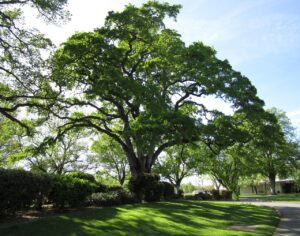
It’s easy to get worried when your usually green live oak starts looking a bit… well, bare. Many folks think this means the tree is sick or on its way out. This is probably the biggest myth out there: that live oaks are true evergreens and should never lose their leaves. The truth is, while they hold onto their foliage much longer than other oak varieties, they do shed their old leaves. It’s a natural process, not a sign of distress.
Another common misconception is that all live oaks shed their leaves at the same time. You might have one tree in your yard looking quite bare while its neighbor still has plenty of green leaves. This variation is perfectly normal. It comes down to individual genetics and even slight differences in their environment. Some trees are just programmed to shed and regrow faster than others.
Here are a few other myths people often believe:
- Myth: Yellowing leaves in late winter or early spring mean the tree is dying.
- Myth: Spots or brown patches on the leaves indicate a serious disease.
- Myth: A tree that looks almost leafless in spring is definitely unhealthy.
When you see yellowing or browning leaves, it’s usually a sign that the tree is preparing to drop them. Often, you’ll notice tiny new buds forming at the base of these old leaves. If you can spot these buds, it’s a good indicator that your tree is just going through its annual renewal cycle. You can also check the small branches; if they’re green and flexible when scratched, the tree is alive and well. Brittle, brown branches, however, might signal a problem, but a few dead twigs are normal for any tree.
It’s important to remember that live oaks are not like other oaks that drop their leaves in the fall. Their shedding happens in late winter or early spring, making the transition to new growth less obvious to those expecting a typical autumn leaf drop. This timing is part of their unique life cycle, allowing them to conserve energy during colder months and prepare for the growing season ahead.
So, if your live oak is shedding leaves in late winter or early spring, and you see new buds appearing, don’t panic. It’s just the tree doing its thing, getting ready for a fresh flush of growth. It’s a sign of a healthy,vigorous tree, not a dying one.
When Do Live Oaks Lose Their Leaves and Why It’s Normal
So, you’ve noticed your usually lush live oak looking a bit… sparse? Maybe the leaves are turning yellow or brown, and you’re starting to worry if your tree is on its way out. Take a deep breath, because this is usually completely normal! Live oaks aren’t true evergreens like some other trees. Instead, they go through a yearly shedding process, kind of like a refresh.
This natural leaf drop typically happens in late winter to early spring, usually between January and April. It might seem counterintuitive for a tree called a “live” oak to lose its leaves, but think of it as a way to make room for all the new growth that’s coming. It’s not a sign of sickness or distress.
Here’s a quick rundown of what to expect:
- Timing: While the exact timing can vary a bit year to year and from tree to tree, you’ll generally see this happen as the weather starts to warm up after the coldest part of winter.
- Appearance: The old leaves will start to yellow, then turn brown, and eventually fall off. During this period, the tree might look quite bare, sometimes for a few weeks.
- New Growth: The exciting part is that new, bright green leaves will start to emerge. Sometimes, new leaves will pop out while the old ones are still falling, and other times, the tree will wait until most of the old leaves are gone before it starts producing new ones.
It’s easy to mistake this natural process for a problem, especially if you’re used to other types of oaks that hold onto their leaves all winter. But for live oaks, this shedding is a sign of a healthy cycle. It’s their way of getting rid of the old to make way for the new, ensuring they’re ready for the growing season ahead.
Remember, this annual leaf drop is a natural part of the live oak’s life cycle. It’s a sign that the tree is preparing for new growth, not that it’s dying. Keep an eye out for those tiny new buds forming, and you’ll see your tree bounce back in no time.
Live Oaks are pretty amazing trees, and it’s totally normal for them to drop their leaves. This usually happens in the spring, right before the new leaves start to grow. It might seem a little strange to see your Live Oak looking bare for a bit, but it’s just part of its natural cycle. If you’re curious about why this happens or need any help with your trees, check out our services page for expert advice and care!
Frequently Asked Questions
Are live oaks really evergreen trees?
Live oaks are often called evergreen trees because they keep their leaves for a long time, but they aren’t true evergreens. They actually shed their old leaves and grow new ones each spring. It’s a natural process, not a sign of sickness.
When do live oaks typically lose their leaves?
Live oaks usually start losing their old leaves in late winter or early spring, often between January and March. This happens as the weather starts to warm up and new growth begins.
Why do live oaks lose their leaves if they are called evergreen?
Think of it like this: they don’t lose all their leaves at once as some other trees do in the fall. Instead, they shed their older leaves to make way for fresh, new ones in the spring. This helps them stay green for most of the year, hence the ‘evergreen’ nickname.
How can I tell if my live oak is just shedding leaves normally or if it’s sick?
The best way to check is to look closely at the branches. If you see tiny buds forming where the old leaves are falling off, or if new leaves are starting to sprout, your tree is likely just going through its normal leaf-shedding cycle. Healthy branches will also be flexible and green inside when you scratch them.
What does it mean if my live oak’s leaves turn yellow or brown before they fall?
It’s normal for older leaves to turn yellow or brown as they get ready to fall. This is part of the natural shedding process. However, if the leaves have dark spots or blotches, or if the whole tree looks unhealthy and the branches are brittle, it might be a sign of a problem like a disease or pest.
Does the timing of leaf drop vary for live oaks?
Yes, it can! Just like people, every tree is a little different. Some live oaks might start dropping leaves a bit earlier or later than others, and some might grow new leaves faster. This can depend on the tree’s genetics and even the specific weather conditions in your area.
Is it normal for a live oak to look bare for a while?
Absolutely! During the peak of leaf drop, especially in late winter and early spring, a live oak can look quite sparse or even almost leafless. This is a temporary phase before the new flush of green leaves emerges.
What should I do if my live oak is dropping a lot of leaves?
Usually, you don’t need to do anything special. Just enjoy the natural cycle! However, if you’re worried, you can check for new buds or try bending a small branch. If it’s green and flexible, the tree is healthy. If many branches are brittle and snap easily, it’s a good idea to consult an arborist.