
How To Grow Colorado Blue Spruce Bonsai From Seed
- December 18, 2025
- By Oliver Denver
So, you’re thinking about growing a Colorado Blue Spruce bonsai from seed? That’s pretty cool. It takes a good amount of patience, but seeing a tiny tree you grew yourself turn into a miniature masterpiece is a special kind of satisfaction. It’s like a little project that teaches you a lot about nature and, well, patience. We’ll walk through the whole process, from picking out seeds to keeping your little spruce happy.
Insights of Growing Colorado Blue Spruce Bonsai From Seed
Starting a Colorado blue spruce bonsai from seed might sound like a long game, and honestly, it is. But there’s a unique satisfaction in nurturing a tree from its very beginning, watching it develop its character over the years. This method offers the ultimate control over the tree’s development, from its initial shape to its final aesthetic. While many opt for cuttings or pre-styled trees, growing a Colorado blue spruce bonsai from seed allows you to witness the entire journey.
It’s a process that demands patience, but the reward is a bonsai that is truly your own creation. You’ll be able to influence its growth from day one, selecting for desirable traits and guiding its form. This approach is perfect for those who enjoy the slow, deliberate art of bonsai and want a deep connection with their tree.
Here’s a quick look at what’s involved:
- Understanding the species’ needs.
- Proper seed preparation and stratification.
- Careful germination and seedling management.
- Long-term styling and maintenance.
Growing a Colorado blue spruce bonsai from seed is a commitment. It requires understanding the tree’s natural growth habits and adapting them to the miniature world of bonsai. Don’t expect a finished bonsai in a year or two; this is a project measured in decades.
This guide will walk you through the essentials of starting your own Colorado blue spruce bonsai from seed, covering everything from seed selection to the early stages of care. It’s a rewarding path for the dedicated enthusiast looking to cultivate a living work of art. You can find more information on general tree care, like fertilizing trees in the spring, which is also important for your developing bonsai.
Understanding the Colorado Blue Spruce as a Bonsai Species
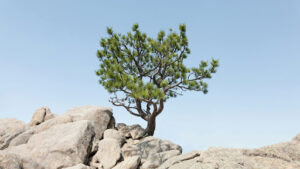
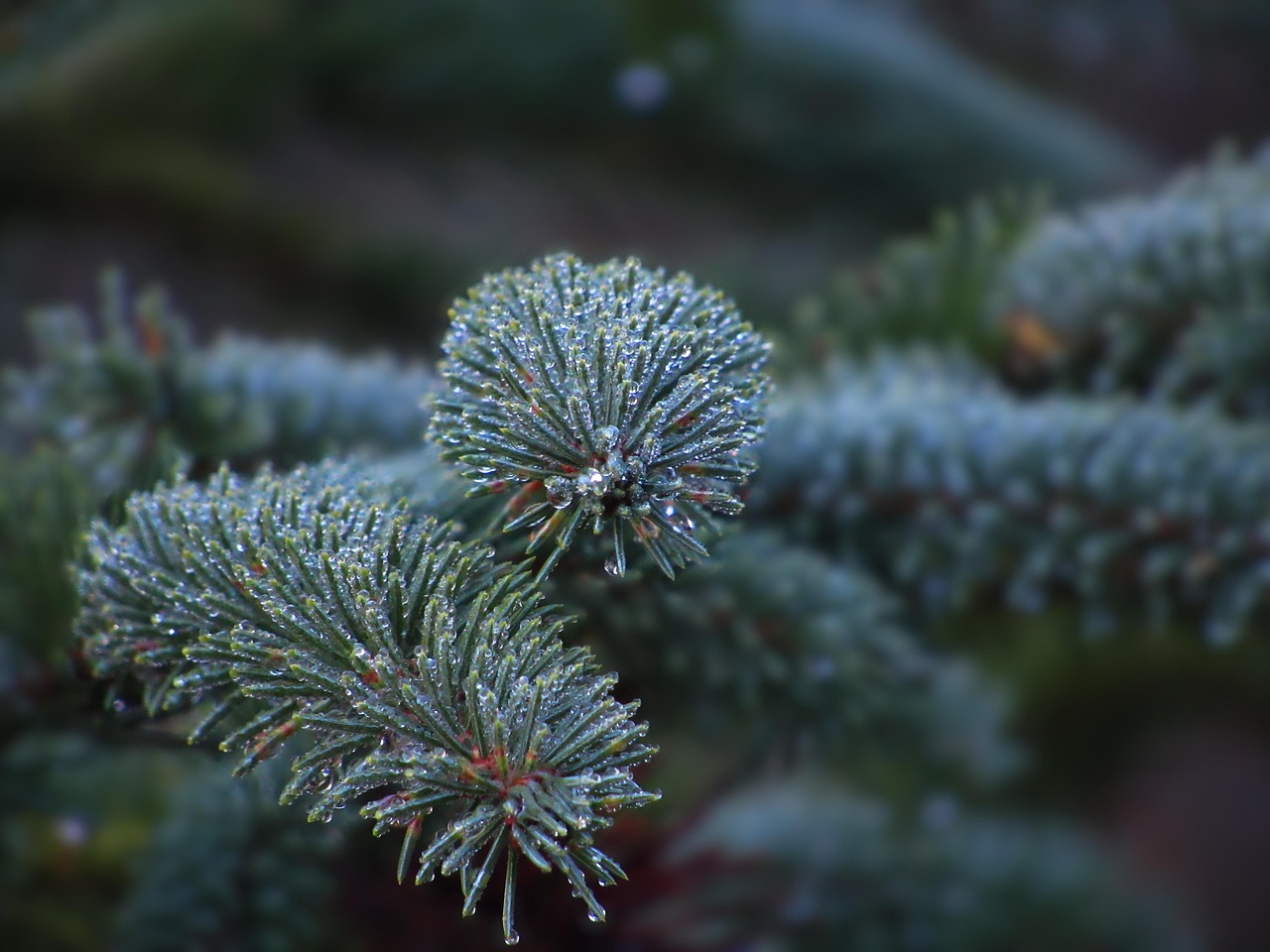
The Colorado Blue Spruce, scientifically known as Picea pungens ‘glauca’, is a tree many people admire, and for good reason. Its needles have this really cool silvery-blue tint, and its natural shape is pretty striking. When you think about turning one into a Colorado blue spruce bonsai, you’re looking at a project that takes time but can result in something truly special. These trees are native to cooler forest areas, which tells you a bit about what they like.
While spruce trees, in general, can be a bit challenging to style as bonsai – their branches can be a little stubborn about holding new shapes – the Colorado blue spruce is still a popular choice. It’s hardy, which is a big plus for a bonsai, though extreme heat can be tough on them.
Here’s a quick look at what makes them unique for bonsai:
- Appearance: Distinctive blue-green needles and a natural conical shape.
- Hardiness: Generally resilient, especially in cooler climates.
- Styling Potential: Can be shaped into various styles, though it requires patience.
Growing a Colorado blue spruce bonsai from seed means you’re starting from scratch. It’s a long game, often taking 10 to 15 years to develop into a specimen that really looks the part. But the reward is a tree that’s uniquely yours, shaped by your own hands over time.
It’s not the easiest tree to shape, mind you. The branches don’t always bend to your will right away, and it takes consistent effort to get them to hold a new position. If you’re looking for a quick project, maybe a Colorado blue spruce bonsai isn’t your first pick. But if you’re up for a long-term commitment to creating a beautiful piece of living art, it’s definitely worth considering.
Why Grow a Colorado Blue Spruce Bonsai From Seed
So, you’re thinking about growing a Colorado Blue Spruce bonsai from seed? That’s pretty cool! While it’s true that you can buy young blue spruce trees or even cuttings, starting from seed offers a unique kind of satisfaction. It’s like being there from the very beginning, shaping the tree’s entire life story.
Growing from seed means you have complete control over the tree’s development right from the get-go. You get to choose the seeds, manage the germination process, and guide their early growth. This hands-on approach can be incredibly rewarding, especially when you see your little seedling slowly transform into a miniature tree over the years. Plus, it’s often a more budget-friendly way to start your bonsai journey, though it definitely requires more patience.
Here are a few reasons why starting with seeds might be the way to go:
- Full Control: You’re the boss from day one. You pick the seeds, control the environment, and decide how it grows.
- Cost-Effective: Generally, seeds are cheaper than buying a pre-started tree or a cutting.
- Deep Connection: There’s a special bond that forms when you’ve nurtured a plant from a tiny seed.
- Learning Experience: It’s a fantastic way to learn about the entire life cycle of a tree and the intricacies of bonsai cultivation.
Starting from seed is a long game. It’s not for someone who wants a finished bonsai next year. This is about the journey, the slow unfolding of a tree’s potential, and the deep satisfaction of watching something grow under your care for years, even decades.
While it takes a good chunk of time – we’re talking years before you can even start styling – the process itself is a huge part of the bonsai hobby. You learn so much more about the tree’s needs and how it responds to different conditions when you’re involved from the seed stage.
Seeds Selection for Colorado Blue Spruce Bonsai From Seed
When you’re starting your Colorado Blue Spruce bonsai journey from seed, picking the right seeds is pretty important. You want to get seeds from a healthy parent tree, obviously. If you can, try to get seeds from cones that are a bit older, maybe from the previous year, as they tend to have a better chance of being viable. Sometimes, you can find seeds from reputable bonsai suppliers, which might give you a head start.
Don’t expect every seed to turn into that perfect blue specimen; the blue color is a genetic lottery. Most seeds will likely produce green spruce. But hey, that’s part of the fun, right? You’re growing something unique.
Here’s a quick rundown of what to look for:
- Source: Ideally, collect cones from mature, healthy Colorado Blue Spruce trees. If buying, choose a seller known for quality.
- Cone Condition: Look for cones that are open and have released their seeds, or are just starting to. Avoid cones that look damaged or diseased.
- Seed Appearance: Viable seeds are usually plump and have a light brown or tan color. Small, shriveled, or dark seeds are less likely to germinate.
Remember, patience is key. Even with the best seeds, growing a bonsai from scratch takes a long time. You’re not just planting a seed; you’re starting a multi-year project that requires dedication and a bit of luck.
If you’re collecting your own seeds, you’ll need to extract them from the cones. Let the cones dry out in a warm, dry place for a few days. As they dry, they’ll open up, and you can shake the seeds loose. You might need to gently pry open some of the scales. Once you have your seeds, you’ll want to clean off any cone debris before you move on to the next step, which is usually stratification.
Seed Stratification Requirements for Colorado Blue Spruce
Alright, so you’ve got your Colorado Blue Spruce seeds, and you’re ready to get them going. Before you just toss them in some dirt, there’s a little trick you need to know about, especially with these guys. It’s called stratification, and it basically mimics what happens in nature.
Think about it: a pine cone falls in the fall, the seeds are inside, and they sit through the cold winter. They don’t sprout right away because, well, it’s freezing! They wait for spring. Stratification is just us giving those seeds a cold, moist period to tell them, ‘Hey, winter’s over, it’s time to grow!’
Here’s the lowdown on how to do it:
- Soak the Seeds: First off, give your seeds a good soak. Put them in a small bowl of water for about 24 hours. This helps soften up that tough seed coat, making it easier for them to absorb moisture later.
- Moist and Cold: After soaking, drain the water. Now, you want to put the seeds in something like a small plastic bag or a container. The key here is to keep them moist but not soaking wet. A damp paper towel works great for this. Just make sure the towel is damp, not dripping.
- The Fridge Wait: Pop that bag or container into your refrigerator. You’re looking for a cold, consistent temperature, usually between 35-41°F (1-5°C). This cold period needs to last for about 4 to 6 weeks. It’s like giving them a little winter nap.
- Check Periodically: While they’re chilling in the fridge, it’s a good idea to check on them every week or so. You want to make sure that the paper towel or medium stays consistently moist. If it starts to dry out, just add a little more water. You don’t want them to dry out completely during this phase.
This cold treatment is super important because it breaks the seed’s dormancy. Without it, many seeds just won’t germinate, or they’ll take ages. It’s nature’s way of making sure the seeds only sprout when conditions are actually good for survival.
Once that 4-6 week period is up, your seeds should be ready to plant. You’ll notice they might look a little plumper, and some might even show a tiny bit of root starting to peek out. That’s a good sign!
Best Time to Start Colorado Blue Spruce Bonsai From Seed
So, you’ve got your Colorado Blue Spruce seeds, and you’re ready to get growing. The big question is, when’s the best time to actually plant them? Honestly, for starting these trees from seed, you’ll want to aim for late winter or early spring. This timing mimics how nature would do it, giving the seeds a natural cold period before they’re ready to sprout when the weather warms up.
Think about it: in the wild, spruce cones would fall in the autumn, and the seeds would sit through the cold winter months before germinating in the spring. Replicating this natural cycle is key to successful germination. If you try to plant them too late in the spring or during the summer, they might not get the chilling period they need, or they could struggle with the heat right out of the gate.
Here’s a quick rundown of why this timing works:
- Mimics Natural Stratification: Planting in late winter allows the seeds to experience natural cold stratification if you’re not doing an artificial one. This cold period is vital for breaking dormancy.
- Spring Germination: As temperatures rise in spring, the seeds are primed to sprout, giving them the entire growing season to establish themselves.
- Avoids Extreme Heat: Starting seeds in cooler weather prevents them from facing intense summer heat right after they’ve germinated, which can be really tough on delicate seedlings.
If you’re planning on doing an artificial stratification process (which is highly recommended for these seeds), you’ll typically start that in the fall or early winter. Then, you’ll plant the stratified seeds in late winter or early spring. This gives you a good head start and increases your chances of getting those little blue spruce bonsai started. You can find some great Colorado Blue Spruce bonsai seeds that come with detailed instructions to help you along the way.
While it might be tempting to just toss seeds in the soil whenever you get them, patience really pays off with Colorado Blue Spruce. Giving them the right conditions, including the proper timing, sets them up for a much better chance of success. It’s all about working with nature’s schedule, not against it.
So, mark your calendar for late winter or early spring. It’s the sweet spot for getting your Colorado Blue Spruce bonsai journey from seed to a strong start.
Soil Mix and Containers for Colorado Blue Spruce Bonsai From Seed
Alright, let’s talk dirt and pots for your little spruce seeds. Getting the right mix is pretty important for these guys. They don’t like soggy feet, so good drainage is the name of the game. Think of it like this: you want the soil to hold some moisture, but not turn into a swamp.
For the soil itself, a good starting point is a mix of akadama, pumice, and lava rock. A common ratio that works well is 1:1:1. This gives you excellent drainage and aeration that spruce trees really appreciate. If you can’t get your hands on those specific bonsai soils, a gritty mix of coarse sand, perlite, and a bit of peat moss can also work in a pinch. Just make sure it’s not too heavy or dense.
When it comes to containers, especially for starting seeds, you don’t need anything fancy. Shallow seed trays or small plastic pots with plenty of drainage holes are perfect. As the seedlings grow, you’ll eventually move them into slightly larger pots, but for the initial germination phase, keeping them in smaller containers is fine. The key is that every container must have good drainage. You really don’t want water sitting around the roots, as that’s a fast track to rot and other unhappy plant problems.
Here’s a quick rundown of what to look for:
- Soil Components: Aim for a gritty, fast-draining mix. Think about components like pumice, lava rock, coarse sand, and maybe a little bit of organic matter like coco coir.
- Container Type: Shallow trays or small pots are ideal for starting. Make sure they have lots of holes at the bottom.
- Drainage: This is non-negotiable. If your container doesn’t drain well, your seeds or seedlings are in trouble.
Remember, the goal here is to mimic the conditions these trees would find in nature – well-drained, airy soil that doesn’t hold too much water. It might seem simple, but getting this right from the start sets your future bonsai up for success.
Step-by-Step Guide: How to Plant Colorado Blue Spruce Seeds
Alright, so you’ve got your Colorado Blue Spruce seeds, and you’re ready to get them going. It’s not super complicated, but a little care goes a long way. First things first, make sure you’ve done the stratification process we talked about – that cold, moist period is key for these guys. If you skipped that, well, you might get fewer seeds to sprout, but it’s still worth a shot.
Once your seeds are ready, it’s time to get them into some soil. You’ll want a good quality potting mix, something that drains well. A mix designed for cacti or succulents works nicely because it’s not too heavy. Grab some small pots or containers; even yogurt cups with drainage holes poked in the bottom will do in a pinch. Fill them up with your soil mix, leaving a little space at the top.
Now, place your stratified seeds onto the soil surface. Don’t just dump them all in one spot; give them a bit of breathing room. Then, cover them with a very thin layer of the same soil mix. We’re talking just a dusting, not a thick blanket. Gently water the soil to make it moist, but be careful not to make it soggy. You want it damp, like a wrung-out sponge.
The goal here is to mimic the natural conditions where seeds would be buried just enough to stay protected but still receive moisture and air. Too deep, and they struggle to emerge; too shallow, and they might dry out too quickly.
Place your pots in a location where they can stay at a consistent room temperature. Avoid direct, harsh sunlight at this stage. Keep the soil consistently moist. You can use a spray bottle to mist the surface if it starts to look dry. Patience is your best friend now. You should start seeing little green shoots poking through the soil in about two weeks, though sometimes it can take a bit longer. Once they sprout, they’ll need plenty of light, but still be mindful of overwatering.
Here’s a quick rundown of what you’ll need:
- Containers: Small pots or recycled containers with drainage holes.
- Soil Mix: A well-draining potting mix, like one for succulents or cacti.
- Seeds: Your prepared Colorado Blue Spruce seeds.
- Water: For keeping the soil consistently moist.
- Patience: Lots of it!
Germination Timeline and Early Seedling Care
So, you’ve done the stratification dance, and now you’re waiting. Patience is key here, folks. Colorado Blue Spruce seeds can be a bit slow to get going. We’re generally looking at a germination period that can stretch anywhere from a few weeks to a couple of months. Don’t get discouraged if nothing happens right away; these trees have their own timeline.
Once you start seeing those tiny green shoots poking through the soil, it’s like a little victory! This is the moment you’ve been waiting for, but it’s also when the real work begins. Your little seedlings are delicate and need specific care.
Here’s a quick rundown of what to expect and how to handle those first few weeks:
- Germination Window: Typically 3-8 weeks after moving seeds to a warm, bright spot. Some might pop up sooner, others later. It’s a bit of a lottery.
- Initial Growth: The first leaves you see are called cotyledons. They’re usually small and simple. True needles will follow.
- Environment: Keep them in a bright location, but avoid direct, harsh sunlight initially. A spot with indirect light is perfect. Maintain a consistent temperature, ideally between 60-70°F (15-21°C).
When those first true needles appear, it’s time to think about their immediate needs. The soil should remain consistently moist, but never waterlogged. Think of it like a wrung-out sponge – damp, but not dripping. Overwatering is a common mistake that can lead to damping-off, a fungal disease that can wipe out your seedlings quickly.
The goal during this early stage is to mimic the conditions that encourage steady, healthy growth without stressing the young plants. This means consistent moisture, good light, and protection from extreme temperatures or pests. It’s about creating a stable environment where they can build strength for the challenges ahead.
Watering and Light Requirements for Young Blue Spruce Bonsai
Alright, so you’ve got these little blue spruce seedlings, and now you’re wondering how to keep them happy, right? It’s not super complicated, but you do need to pay attention.
First off, light. These young trees are sun-worshippers, especially when they’re just starting. Think of them like tiny toddlers who need their playtime outside. They really thrive with plenty of direct sunlight, particularly in the morning and late afternoon. However, if you live somewhere with really intense, scorching midday sun, especially during the hottest parts of summer, you might want to give them a little bit of shade. Too much direct, harsh sun can actually scorch those delicate needles. So, a spot that gets good light but avoids the absolute peak heat of the day is usually the sweet spot.
Now, watering. This is where a lot of people get a bit confused with bonsai. Unlike some other plants that want to be constantly damp, blue spruce, even as seedlings, prefer not to have their feet wet all the time. The key is to let the top inch or so of the soil dry out between waterings. Don’t let it get bone dry, but don’t keep it soggy either. Soggy soil is a recipe for root rot and all sorts of fungal nasties, and nobody wants that.
Here’s a quick rundown:
- Check the soil daily: Stick your finger in about an inch deep. If it feels dry, it’s time to water. If it’s still moist, hold off.
- Water thoroughly: When you water, give it a good soak until water runs out the drainage holes. This helps flush out any accumulated salts and ensures the entire root ball gets moisture.
- Adjust for the season: You’ll water more often in the heat of summer when the soil dries out faster, and much less frequently in the cooler, less sunny days of fall and winter.
Remember, these are young trees. They’re not as tough as a mature bonsai yet. Be consistent with your watering and light, and you’ll see them grow stronger.
Think of it like this: you want to mimic the conditions of their natural environment as much as possible, but on a smaller scale. Good light and letting the soil dry out a bit are the two biggest things you can do right now to set them up for success.
Repotting Schedule for Colorado Blue Spruce Bonsai From Seed
Repotting your young Colorado Blue Spruce is a key step in its development into a bonsai. It’s not something you do every year, especially when the tree is still small. Think of it more like giving your tree a bigger home when it starts to feel cramped.
Generally, you’ll be looking at repotting every four to five years for a blue spruce bonsai. However, it’s a good idea to check the roots annually. You’re looking for signs that the tree has become ‘root-bound.’ This is when the roots have filled the pot and started circling the edges. If you see this happening, it’s definitely time to repot.
Summer is usually the best time to get this done. When you repot, carefully take the tree out of its current pot. Gently remove as much of the old soil from the roots as you can. Then, you’ll need to trim the roots. Be careful here – don’t remove more than about a quarter of the root system at once. You want to give it room to grow, not shock it too much.
After trimming, use fresh soil. Depending on how much you trimmed, you might be able to use the same pot, or you might need to move up to a slightly larger one. After you’ve repotted, give the tree a really good watering. Some people even submerge the pot for a bit to make sure the soil is thoroughly moist. Just make sure whatever pot you use has good drainage holes.
Remember, this process is about managing the root system to encourage a more compact growth habit suitable for bonsai. It’s a balance between giving the tree enough space to stay healthy and keeping it contained for its bonsai form.
Common Problems When Growing Colorado Blue Spruce Bonsai From Seed
Starting a Colorado Blue Spruce bonsai from seed is a long game, and sometimes, things just don’t go according to plan. It’s not uncommon to run into a few hiccups along the way. Don’t get discouraged if your seedlings aren’t thriving right off the bat.
One of the most frequent issues people face is poor germination rates. This can happen for a bunch of reasons. Maybe the seeds weren’t stratified properly, or perhaps they weren’t kept consistently moist during that cold period. Sometimes, even with perfect stratification, some seeds just aren’t viable. It’s a bit of a gamble with nature, after all.
Once you get seedlings, damping off is a real threat. This is a fungal disease that attacks young plants right at the soil line, causing them to rot and fall over. It usually happens when the soil stays too wet, and there isn’t enough air circulation. Making sure your soil drains well and not overwatering are key to avoiding this.
Pests can also be a nuisance. Aphids, spider mites, and various types of caterpillars might decide your young spruce looks like a tasty snack. Regular inspection is your best bet. If you spot any, a gentle insecticidal soap or neem oil can often do the trick. Just be sure to follow the product instructions carefully.
- Poor Germination: Seeds not stratified correctly, lack of moisture during stratification, or non-viable seeds.
- Damping Off: A Fungal disease attacking seedlings at the soil line due to overly wet conditions and poor air flow.
- Pest Infestations: Aphids, spider mites, caterpillars, and other insects feeding on young foliage.
- Slow Growth: Blue spruce is naturally a slow grower, especially in its early years. Patience is a must.
- Needle Cast: A fungal issue that causes needles to turn yellow and drop. Proper air circulation and avoiding overhead watering can help prevent this.
Remember that Colorado Blue Spruce are naturally slow growers. It takes years for them to develop the characteristics we look for in a bonsai. If your seedling isn’t shooting up like a weed, that’s usually a good sign. It means it’s focusing on developing a strong root system and a sturdy trunk, which is exactly what you want for a future bonsai.
Outdoor vs Indoor Care for Colorado Blue Spruce Bonsai
So, you’ve got your little Colorado Blue Spruce bonsai, and now you’re wondering where it should live. It’s a common question, and honestly, the answer leans pretty heavily towards keeping it outside.
Colorado Blue Spruce bonsai generally thrive outdoors year-round. These trees are built for the elements, and they really need that natural cycle of seasons to stay healthy. Trying to keep one indoors for too long can mess with its natural dormancy period, which is super important for its long-term well-being. Think of it like us needing a good night’s sleep; the tree needs its winter rest.
When it comes to light, your spruce will soak up the sun like a champ, especially in the morning and late afternoon. However, during the peak heat of summer afternoons, especially if you live somewhere really hot, it’s a good idea to give it a bit of shade. Too much intense sun can stress it out. Indoors, you’d have to work pretty hard to replicate that kind of light, and the dry air inside can also be a problem.
Temperature is another big factor. While these trees can handle cold, even freezing temperatures, their roots are more exposed in a pot than they would be in the ground. So, when the really cold weather hits, you’ll want to protect those roots. You can do this by burying the pot in the ground, adding a thick layer of mulch over the pot, or even moving it to an unheated space like a garage or shed for the coldest snaps. Just remember, it still needs that cold period, so don’t bring it inside for extended stays.
Humidity is something spruce bonsai appreciate all year. If you’re keeping it in a sheltered spot outdoors or in that unheated garage during winter, make sure the air isn’t bone dry. Placing a shallow tray of water nearby can help boost the humidity. Indoors, the air is often much drier, which isn’t ideal for your spruce.
Here’s a quick rundown:
- Outdoor Advantages: Natural light cycles, seasonal temperature changes, better humidity control (usually), and less risk of dry indoor air.
- Indoor Challenges: Difficulty replicating natural light, dry air, disruption of dormancy, and potential for overheating near heat sources.
- Winter Protection: Essential for roots during freezing weather, but avoid prolonged indoor stays.
While it might seem counterintuitive, especially if you’re used to keeping other houseplants inside, your Colorado Blue Spruce bonsai really needs to experience the outdoors. It’s not just about surviving; it’s about thriving and developing that classic bonsai character over time. Think of it as giving your tree the best possible environment to mimic its natural habitat, which is key for conifers, evergreen trees.
So, unless there’s a severe weather emergency, let your spruce enjoy the fresh air. It’ll thank you for it with healthy growth and that beautiful blue-green foliage.
Long-Term Care Tips for a Healthy Colorado Blue Spruce Bonsai
So, you’ve got your Colorado Blue Spruce bonsai growing from seed, and it’s looking pretty good. Now what? Keeping it healthy for the long haul is all about consistent, but not overdone, care. Think of it like a gentle routine, not a demanding schedule.
The key is to mimic its natural environment as much as possible, while still managing its size and shape for bonsai.
Here’s a breakdown of what to focus on:
- Watering: These trees don’t like soggy feet. Let the top few inches of soil dry out between waterings. You’ll water more in the hot summer months and much less when it’s cold, and the tree is resting in winter. Always check the soil moisture before you grab the watering can.
- Fertilizing: Since it’s in a pot, it needs a little help with nutrients. Use a balanced liquid fertilizer during the growing season (spring through fall). Dilute it properly – too much can burn the roots. Think of it as a light snack, not a huge meal.
- Sunlight: Spruce love the sun, especially in the morning and late afternoon. In really hot climates, give it some shade during the hottest part of the day to prevent needle scorch. Winter is a rest period, so it doesn’t need as much direct light then.
- Temperature and Humidity: Keep it outside most of the year. It can handle some heat, but extreme heat might require extra shade. In winter, protect the roots from hard freezes by burying the pot or adding mulch. It still needs that cold period to stay healthy, so avoid bringing it inside for long stretches. A little humidity around the pot is always a good thing, especially if you’re keeping it in a sheltered spot during winter.
When it comes to repotting, you’re probably looking at doing this every four to five years. It’s best done in the summer. You’ll want to trim the roots a bit – but don’t go crazy, maybe a quarter of the root mass at most. Use fresh, well-draining soil each time. This is also a good time to check if the tree is getting root-bound.
Dealing with pests and diseases is part of the game. Keep an eye out for common culprits like aphids or mites. Sometimes, fungal issues can pop up, especially if the soil stays too wet. A good, well-draining soil mix is your first line of defense. If you spot a problem, act quickly but carefully, using appropriate treatments as directed.
Remember, patience is a virtue with bonsai, especially with a species like the Colorado Blue Spruce. It takes time to develop that classic bonsai look, so enjoy the process and the slow transformation of your tree.
Keeping your Colorado Blue Spruce bonsai healthy long-term involves consistent care. Make sure it gets the right amount of sunlight and water, and don’t forget to feed it properly. For more detailed advice on nurturing your miniature tree, visit our website. We have all the tips you need to help your bonsai thrive!
Frequently Asked Questions
Can I really grow a Colorado Blue Spruce bonsai from seeds I collected myself?
Yes, you can! While it takes a lot of patience, growing a Colorado Blue Spruce bonsai from seeds you found is totally possible. Just remember that not all seeds will sprout, and getting that signature blue color isn’t guaranteed, but it’s a fun project.
How long does it take for blue spruce seeds to grow into a bonsai?
Growing a blue spruce into a bonsai takes a long time, usually between 10 to 15 years. You’ll see slow growth at first, and then it picks up. It’s a journey that requires dedication!
Do I need to do anything special to the seeds before planting?
Yes, it helps a lot to prepare the seeds. You’ll want to soak them in water for a day, then put them in a moist bag in the fridge for about 4 weeks. This cold treatment, called stratification, helps them wake up and get ready to sprout.
What kind of soil is best for starting blue spruce seeds?
Use a good-quality potting soil that drains well. Avoid heavy garden soil. A mix made for houseplants or even cactus and succulent plants works great because it lets water flow through easily, which is important for young seeds.
When should I plant my blue spruce seeds?
The best time to plant your prepared seeds is usually in the spring. This gives them the whole growing season to get started. If you skip the cold treatment, you can plant them in the fall, and nature will do the chilling for you over winter.
How much light and water do tiny blue spruce seedlings need?
Young seedlings love sunlight, especially in the morning and late afternoon. Try to give them shade during the hottest part of the day. Keep the soil consistently moist, but not soggy. Check the soil often to see when it’s time to water.
What are the common problems when growing blue spruce bonsai from seed?
The biggest challenge is patience – it takes years! Also, young seedlings can be susceptible to pests like aphids or fungal diseases if the soil stays too wet. Making sure they have good drainage and air circulation is key.
Can I keep my blue spruce bonsai indoors all year?
No, blue spruce bonsai generally need to live outside. They need a cold period in the winter to rest. While they can handle some heat in the summer, extreme heat can be tough on them. Bringing them inside for too long can harm their natural growth cycle.