
Sapsucker vs Woodpecker: Damage to Trees Compared

- January 28, 2026
- By Oliver Denver
You’ve probably seen holes in your trees and immediately thought, ‘Woodpeckers!’ And sure, woodpeckers are famous for their tree-drilling habits. But there’s another bird, the sapsucker, that also makes holes, and it does it in a pretty different way. It’s easy to mix them up, but understanding the sapsucker vs woodpecker difference is key to knowing what’s really going on with your trees. They might both be birds that peck wood, but their reasons and their methods are not the same, and that means the damage they cause can be pretty different too.
Sapsucker vs Woodpecker: Understanding the Key Differences
When you see holes in a tree, it’s easy to just blame the woodpecker. But hold on a second, because another bird likes to make holes: the sapsucker. While both are types of woodpeckers, they have pretty different habits and, as you might guess, cause different kinds of damage. The main difference boils down to what they’re after and how they get it.
Woodpeckers, in general, are looking for bugs. They’ll hammer away at trees, especially those that are already a bit weak or dying, to get at insects and larvae living under the bark. Think of them as nature’s pest control, though their methods can sometimes look destructive. Sapsuckers, on the other hand, are all about the sap. They create rows of small, neat holes, often in horizontal lines, to get to the sweet stuff flowing just under the bark. They’re not usually going after dead or decaying wood like many woodpeckers are.
It’s interesting to note that sapsuckers aren’t the only ones who benefit from these sap wells. Other birds, insects, and even small mammals will often visit these holes for a sweet drink. It makes the sapsucker a bit of an unwitting provider for other creatures. While woodpeckers are busy excavating, sapsuckers are more about delicate tapping. This distinction is key when you’re trying to figure out who’s been visiting your trees and what kind of impact they’re having. Understanding this basic difference is the first step in figuring out the sapsucker vs woodpecker damage patterns.
The way these birds interact with trees is quite distinct. One is a hunter of insects within the wood, while the other is a connoisseur of tree sap, creating specific feeding stations. This difference in diet and method leads to very different visual cues on the bark of affected trees.
What Is a Sapsucker? Feeding Habits and Tree Interaction
Alright, let’s talk about sapsuckers. These little birds, which are actually a type of woodpecker, have a pretty unique way of getting their food. They aren’t just pecking away at wood for bugs like their cousins. Nope, sapsuckers are all about the sap. Their primary diet consists of tree sap, and they’ve developed a special technique to get it.
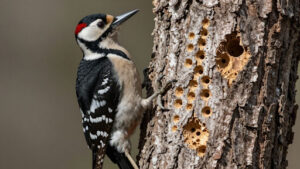
When spring rolls around, and the sap starts flowing upwards, sapsuckers drill small, neat, horizontal holes. Think of them as tiny taps. Later in the summer, when the sap is flowing back down, enriched with nutrients from the leaves, they create different kinds of holes. These are usually shallow, almost rectangular or square-shaped, and they look like little wells lined up along the trunk or branches. It’s a pretty distinctive pattern, unlike the random holes you might see from other birds.
While sap is their main gig, they aren’t exclusively sap drinkers. They’ll also snag insects, and sometimes they’ll even dip those insects into the sap before eating them. Talk about a fancy condiment!
What’s interesting is that sapsuckers aren’t the only ones who benefit from these sap wells. Many other creatures, from hummingbirds and other birds looking for a sweet drink or a bug snack, to flying squirrels and even bats, will visit these holes. Sapsuckers are like unwitting hosts, creating a little buffet for the local wildlife.
Here’s a quick rundown of their feeding habits:
- Sap Wells: Drilled in rows, these are their primary food source.
- Insects: They catch insects, often dipping them in sap.
- Other Foods: Occasionally eat fruits and seeds.
It’s worth noting that while they create these holes, they often choose trees that are already a bit weak or have some decay, especially when they’re looking for a spot to nest. They’re not usually going after perfectly healthy, robust trees for their homes.
What Is a Woodpecker? Drilling Behavior Explained
When you hear that distinctive drumming sound echoing through the trees, chances are you’re listening to a woodpecker at work. These birds are built for a life of excavating, and their primary goal is usually finding food. Unlike sapsuckers, which are after tree sap, most woodpeckers are insectivores. They’re looking for grubs, larvae, and other tasty bugs hiding just beneath the bark or deep within the wood.
Woodpeckers have a specialized toolkit for this job. Their beaks are strong and chisel-like, perfect for hammering into wood. They also have stiff tail feathers that act as a prop, helping them balance on vertical surfaces while they drill. It’s a whole-body effort; they use their entire bodies to brace themselves effectively. You might even hear them grunt as they work.
Their drilling behavior isn’t random. Woodpeckers often target trees that are already showing signs of decay or are dead, as these are prime spots for insect infestations. They’re not typically trying to harm a healthy tree; they’re more like nature’s cleanup crew. However, their actions can sometimes be mistaken for something more destructive.
It’s important to remember that woodpeckers are a natural part of the environment. Understanding their behavior helps us appreciate their role and distinguish their work from other types of tree damage. If you’re curious about identifying bird activity, looking at the type of holes they make is a good starting point.
Sapsucker vs Woodpecker Damage Patterns on Trees
When you look at a tree that’s had some avian visitors, the type of damage can tell you a lot about who’s been there. It’s not just random holes; there are distinct patterns.
Here’s a quick rundown:
- Sapsucker Damage: Small, uniform holes in rows (horizontal or vertical). Primarily targets the cambium and sapwood layers.
- Woodpecker Damage: Larger, irregular holes scattered across the bark. Indicates a search for insects or excavating for nesting.
The key difference often comes down to intent. Sapsuckers tap into trees for their sugary fluids, while woodpeckers are usually foraging for a meal or creating a nest.
It’s important to note that while sapsuckers are known for their sap-tapping, they also consume insects and other small creatures attracted to the sap. This means their damage can sometimes look a bit like a woodpecker’s foraging, but the pattern of the holes is usually the giveaway. If you see a tree trunk that looks like it’s been peppered with tiny, evenly spaced dots in lines, it’s likely a sapsucker at work. If the holes are bigger, deeper, and more haphazard, a woodpecker is probably the culprit. Understanding these distinct damage patterns helps in figuring out which bird is visiting your trees and why.
How Sapsucker Holes Affect Tree Health Over Time
So, you’ve noticed those rows of little holes on your trees and are wondering what’s up. It’s usually the sapsucker at work, and while they might seem small, these tiny wounds can add up.
The main issue is that these sap wells disrupt the tree’s vascular system, which is how it moves water and nutrients. When sapsuckers create many holes, especially all around the trunk or a major branch, it can really stress the tree. Think of it like a bunch of tiny cuts that make it harder for the tree to do its job.
Here’s a breakdown of what happens:
- Reduced Nutrient Flow: The sapsucker’s drilling targets the cambium layer, right under the bark. This is where the magic happens for transporting sugars and water. Damaging this layer slows things down.
- Increased Vulnerability: Those holes are open doors for all sorts of things. Fungi, bacteria, and other diseases can easily get in, leading to rot or cankers.
- Bark Damage: If there are a lot of holes close together, chunks of bark can actually fall off. This exposes the wood underneath and makes the problem even worse.
Over time, especially if a tree is already struggling or if the sapsucker activity is intense year after year, these issues can weaken the tree significantly. It might not die right away, but it becomes less healthy and more susceptible to other problems, like borer infestations. It’s a slow burn, but the cumulative effect can be serious.
It’s important to remember that sapsuckers aren’t intentionally trying to kill trees. They’re just doing what they need to do to survive, feeding on sap and insects. However, their feeding habits can inadvertently create conditions that harm the tree over the long haul.
Sometimes, you might see other critters hanging around these sap wells – insects, hummingbirds, even small mammals. They’re attracted to the sweet sap. While this might seem harmless, it also means more potential carriers of disease are visiting the wounds. If you’re concerned about your trees, keeping an eye on their overall health is key, and sometimes, a professional arborist can help assess the damage.
How Woodpecker Drilling Impacts Tree Structure
Woodpeckers, while often seen as just noisy birds, can actually have a pretty significant impact on a tree’s structure, especially if the tree is already struggling.
Unlike sapsuckers that make neat rows of small holes for sap, woodpeckers are usually looking for bugs and grubs living under the bark or in decaying wood. This means their drilling can be pretty extensive and random. They’ll hammer away, creating larger cavities or holes.
Here’s a breakdown of what happens:
- Weakening the Wood: When woodpeckers drill into dead or decaying parts of a tree, they’re essentially removing already compromised material. This can make the tree more susceptible to breaking, especially in strong winds or heavy snow.
- Creating Entry Points: Those holes they make? They don’t just disappear. They can become entry points for diseases, fungi, and more insects. This can speed up the decay process and further weaken the tree’s core.
- Habitat Creation: While bad for the tree, these cavities can become homes for other animals like squirrels or other birds. This is a natural part of forest ecosystems, but it does mean more material is being removed from the tree.
- Structural Compromise: In severe cases, extensive drilling, especially around the base of a tree or on major limbs, can compromise the tree’s overall structural integrity. This is why you often see woodpeckers on older or unhealthy trees – they’re taking advantage of existing weaknesses.
Which Causes More Long-Term Tree Damage?
When we talk about damage to trees, it’s easy to lump sapsucker vs woodpecker together. But when it comes to the long haul, their impact can be pretty different. Sapsuckers, with their rows of small holes, are essentially creating wounds that can weaken a tree over time. These aren’t just random pokes; they’re designed to get at the sap, and in doing so, they disrupt the tree’s vital systems. If a tree is already stressed or if the sapsucker activity is really intense, these wounds can become entry points for diseases and fungi. Over several years, this constant tapping can really take a toll, potentially leading to girdling and even death if the damage encircles the trunk.
Woodpeckers, on the other hand, are often drawn to trees that are already in trouble. They’re looking for insects and grubs living under the bark, which means they’re often targeting trees that are already dying or have decay. So, while their drilling can look pretty severe, it’s sometimes more of a symptom of an existing problem than the primary cause of death. They can actually be beneficial by helping to control insect populations. However, large-scale drilling can still compromise a tree’s structure, making it more susceptible to breaking.
The key difference often lies in the tree’s initial health. A healthy tree might withstand a sapsucker’s attention for a while, but repeated attacks can be its undoing. A woodpecker’s activity, while visually alarming, might just be the final act for a tree that was already on its way out.
Common Tree Species Targeted by Sapsuckers
Sapsuckers aren’t picky eaters, but they do have their favorites when it comes to trees. They tend to go for trees with thinner bark, which makes it easier for them to drill into. You’ll often find them working on broadleaf trees, but they’re not afraid to tap into the thinner-barked sections of conifers too.
Some of the most popular choices for sapsuckers include:
- Aspens and Poplars (Populus)
- Birch (Betula)
- Maples (Acer)
- Willows (Salix)
They’ll also happily visit fruit trees like apples, cherries, and plums if they’re in the neighborhood. Even some conifers like Western Redcedar, pines, spruces, and hemlocks can get tapped, especially if they have thinner bark.
Trees Most Vulnerable to Woodpecker Damage
While woodpeckers aren’t usually the primary cause of a tree’s demise, they do tend to go after trees that are already struggling. Think of them as nature’s cleanup crew, drawn to trees that have issues like decay, disease, or insect infestations. They’re not typically out to harm a healthy, vibrant tree; they’re looking for an easy meal in the form of bugs and larvae living under the bark.
Woodpeckers often target trees that are already showing signs of weakness or decline. This means trees with dead branches, hollows, or a general unhealthy appearance are prime real estate for these birds. They’re particularly fond of trees that have been weakened by other factors, making them more accessible for drilling.
Some tree types might be more prone to the issues that attract woodpeckers, like:
- Older trees: As trees age, they naturally become more susceptible to decay and insect problems.
- Trees with existing damage: If a tree has been damaged by storms, disease, or even previous insect activity, it can become a magnet for woodpeckers.
- Certain species: While woodpeckers aren’t super picky, some species might be more attractive due to their bark texture or the types of insects they harbor. For instance, trees with softer wood or those prone to certain borers might see more activity.
It’s important to remember that woodpecker activity can sometimes be a sign that there’s a bigger problem with the tree that needs addressing. They’re often just highlighting an existing weakness.
Signs to Identify Sapsucker vs Woodpecker Damage on Bark
Spotting the difference between sapsucker vs woodpecker damage on your trees can sometimes feel like a guessing game, but there are some pretty clear signs to look for. It all comes down to the pattern and type of holes they leave behind.
Sapsuckers are known for creating rows of small, neat holes, often in horizontal lines, while woodpeckers tend to make larger, more random openings.
It’s important to remember that while both birds make holes, their intentions and methods differ significantly. Sapsuckers are essentially “farming” sap and insects, while woodpeckers are hunting for a meal within the tree itself.
Here’s a quick comparison:
| Feature | Sapsucker Damage | Woodpecker Damage |
| Hole Size | Small, about 1 cm wide | Larger, irregular |
| Pattern | Neat rows, often horizontal | Random, scattered |
| Purpose | Access sap and insects attracted to sap | Excavate for insects and larvae |
| Debris | Minimal, maybe some stained sap | Wood chips, sawdust, insect parts |
| Bark Impact | Can cause staining, bark chunks to fall off | Can create larger cavities, expose wood |
Seasonal Activity Differences in Sapsucker vs Woodpecker
You might notice these birds are more active at certain times of the year, and it really depends on what they’re after. Sapsuckers, for instance, are all about that sweet, sweet sap. In the spring, when the sap starts flowing upwards, they’ll drill those characteristic rows of small, horizontal holes to get at it. Later in the summer, they switch to making those rectangular wells to tap into the sap that’s moving back down, now a bit richer with nutrients. They’re also looking for insects and fruit, which can be more plentiful during warmer months.
Woodpeckers, on the other hand, are often driven by insect populations. While they might be around year-round, their most intense activity, especially the loud drumming and excavating, often picks up when they’re searching for grubs and larvae to feed themselves and their young. This can be more pronounced during breeding seasons and when certain insect populations are peaking.
Here’s a quick rundown:
- Spring: Sapsuckers are busy tapping trees for rising sap. Woodpeckers might be drumming to establish territories or find early insect meals.
- Summer: Sapsuckers continue sap feeding and may also focus on insects and berries. Woodpeckers are often feeding young and actively seeking insects.
- Fall: Both birds might be stocking up on food. Sapsuckers might continue sap feeding if available, while woodpeckers are still foraging for insects and may also eat nuts and seeds.
- Winter: Sapsuckers typically migrate south, though some might stay if food is available. Woodpeckers are generally year-round residents, focusing on insects found under bark or in dead wood.
It’s interesting how their feeding habits tie directly into the tree’s own seasonal cycles. The sap flow is a direct result of the tree’s biological clock, and the insects woodpeckers seek also have their own life cycles that align with the seasons. This makes both birds’ presence and their impact on trees quite dynamic throughout the year.
When Sapsucker Damage Becomes Harmful to Trees
Most of the time, a few sapsucker holes aren’t a big deal for a healthy, mature tree. They’re like little snacks for the birds, and the tree can usually handle it. But things can get serious if the damage is widespread or happens year after year.
When sapsuckers drill a lot of holes, especially all the way around the trunk or a major branch, it can really mess with the tree’s insides. They’re basically cutting off the flow of water and nutrients. This can lead to the death of the part of the tree above the damaged area, or even the whole tree if it’s bad enough on the main trunk. It usually takes a couple of years of heavy feeding to get to that point, though.
Here’s when you should start worrying:
- Extensive Girdling: If the sap wells form a complete ring around the trunk or a large branch, it’s like putting a tight belt around it. This stops the flow of life-giving stuff.
- Repeated Damage: Sapsuckers often come back to the same spots. If they keep drilling into the same areas year after year, the tree doesn’t get a chance to heal.
- Secondary Infections: Those little holes are like open doors for diseases. Fungi and other nasty stuff can get in through the wounds, causing rot or other problems.
- Weakened Trees: If a tree is already stressed from drought, disease, or other issues, sapsucker damage can be the final straw.
When Woodpecker Damage Signals a Bigger Tree Problem
While woodpeckers are often just looking for a meal, their drilling can sometimes point to deeper issues with a tree. If you notice a lot of woodpecker activity, especially on a tree that seems otherwise healthy, it might be a sign that something else is going on. Sometimes, woodpeckers are attracted to trees that have already been weakened by disease or insect infestations. They’re not necessarily causing the problem, but they’re definitely drawn to the buffet.
Think of it like this:
- Woodpeckers are often secondary invaders. They’re not usually the first ones to attack a healthy tree.
- They seek out insect activity. Many insects burrow into trees, and woodpeckers are excellent at finding them.
- A sudden increase in woodpecker activity on a mature tree could mean a significant pest problem is brewing.
How to Protect Trees from Sapsucker and Woodpecker Damage
Dealing with sapsuckers and woodpeckers can be a real headache for tree owners. While both birds make holes, they do it for different reasons, and the impact on your trees can vary. Luckily, there are a few things you can try to keep them from causing too much trouble.
The best defense often involves making your trees less appealing to these birds in the first place.
Here are some methods to consider:
- Physical Barriers: For sapsuckers, especially during their active feeding seasons (spring and fall), wrapping the trunk and main branches with burlap or a sturdy landscaping fabric can deter them. This is particularly useful for younger trees or those you’ve noticed are frequently targeted. Keep in mind this is a temporary fix, usually needed from April through September.
- Deterrents: Shiny, reflective objects can sometimes startle birds. Hanging old CDs, strips of aluminum foil, or even small mirrors from branches might make the area less attractive. Some folks have had luck with pie tins or even cut-up aluminum cans.
- Habitat Modification: Woodpeckers often go after trees that are already weak or have insect problems. Keeping your trees healthy is your first line of defense. Prune dead branches promptly and address any signs of insect infestation. A healthy, vigorous tree is less likely to attract woodpeckers looking for a meal.
- Diversion: If you have a tree that’s a favorite target, especially for sapsuckers, sometimes letting them have at it might be the path of least resistance. If they’re focused on one tree, they might leave your other trees alone. This is a bit of a gamble, but it’s an option.
Sapsucker vs Woodpecker: Which One Should Homeowners Be More Concerned About?
So, you’ve got holes in your trees, and you’re wondering who to blame: the sapsucker or the woodpecker? It’s a fair question, and honestly, it depends on what you’re seeing and what kind of trees you have.
Here’s a quick rundown:
- Sapsucker Damage: Look for small, uniform holes in horizontal lines, often around branches or the trunk. They prefer healthy deciduous trees like maples, birches, and fruit trees.
- Woodpecker Damage: Expect larger, irregular holes that are scattered randomly. They’re often found on trees that show signs of disease, rot, or are already dead.
If you have a mature, healthy tree that’s being repeatedly targeted by sapsuckers, it’s definitely something to keep an eye on. The constant disruption to the tree’s vascular system can weaken it over time, making it more susceptible to disease and other pests. It’s not usually an immediate death sentence, but it’s a chronic stressor.
So, while woodpeckers might make a bigger mess, sapsuckers can pose a more significant long-term threat to the health of your valuable landscape trees. If you’re seeing those tell-tale rows of holes on a tree you care about, it’s probably time to think about some protective measures.
Wondering if sapsuckers or woodpeckers are causing trouble for your trees? While both birds peck at wood, they have different reasons and impacts. Understanding these differences can help you decide which one might need more attention in your yard. For expert advice on identifying and managing tree-damaging birds, visit our website today!
Frequently Asked Questions
How can I tell if a sapsucker or a woodpecker made the holes in my tree?
Look closely at the holes. Sapsuckers make many small, round holes in straight lines, often horizontally. Woodpecker holes are usually bigger, more jagged, and scattered randomly. Sometimes, woodpecker holes will have sawdust or wood chips around them.
Are sapsuckers a type of woodpecker?
Yes, sapsuckers are actually a type of woodpecker! However, they have unique feeding habits that set them apart from their cousins. While most woodpeckers focus on insects, sapsuckers have a special diet of tree sap and the insects that are attracted to it.
Do sapsuckers harm trees?
Sapsuckers can harm trees, especially if they make a lot of holes. These holes can interrupt the flow of water and nutrients in the tree. If a tree is already weak or stressed, lots of sapsucker holes can make it sick or even lead to its death over time. However, healthy trees can often recover.
Do woodpeckers harm trees?
Woodpeckers usually target trees that are already unhealthy or have dead sections. They are looking for insects and larvae, which can actually help control pest populations. While their drilling can seem damaging, it often signals a bigger problem with the tree itself, like decay or disease.
What kind of trees do sapsuckers like best?
Sapsuckers often go for trees with thinner bark. Popular choices include maple, birch, aspen, and poplar trees. They can also tap into fruit trees like apples and cherries. They tend to avoid trees with very thick, rough bark.
What kind of trees do woodpeckers prefer?
Woodpeckers aren’t as picky about tree species as sapsuckers. They are more interested in the condition of the tree. They often choose trees that are dying, dead, or have soft, decaying wood because that’s where insects like to live.
Can sapsucker holes kill a tree?
Yes, extensive sapsucker damage can eventually kill a tree. If the holes go all the way around the trunk or a large branch, it can ‘girdle’ the tree, cutting off its ability to move water and nutrients. This usually takes a couple of years of heavy feeding.
Can woodpecker holes kill a tree?
Woodpecker holes themselves rarely kill a healthy tree. They are usually a sign that the tree is already in decline and has insects living inside. By eating these insects, woodpeckers can sometimes even help the tree by reducing pest damage.
What other animals use sapsucker holes?
Sapsucker holes are like little watering stations for other creatures! Insects, hummingbirds, and even small mammals like squirrels are attracted to the sweet sap. So, while sapsuckers might be causing damage, they’re also providing a food source for many other animals.
Should I be more worried about sapsuckers or woodpeckers?
It depends on the situation. For healthy trees, especially maples and birches, you might be more concerned about sapsuckers because they can cause significant damage by drinking sap. If your tree is already looking unhealthy with dead spots, woodpeckers are likely just trying to find food and are a symptom of a larger problem.