
Saskatoon Berry vs Blueberry: Nutrition and Health Benefits
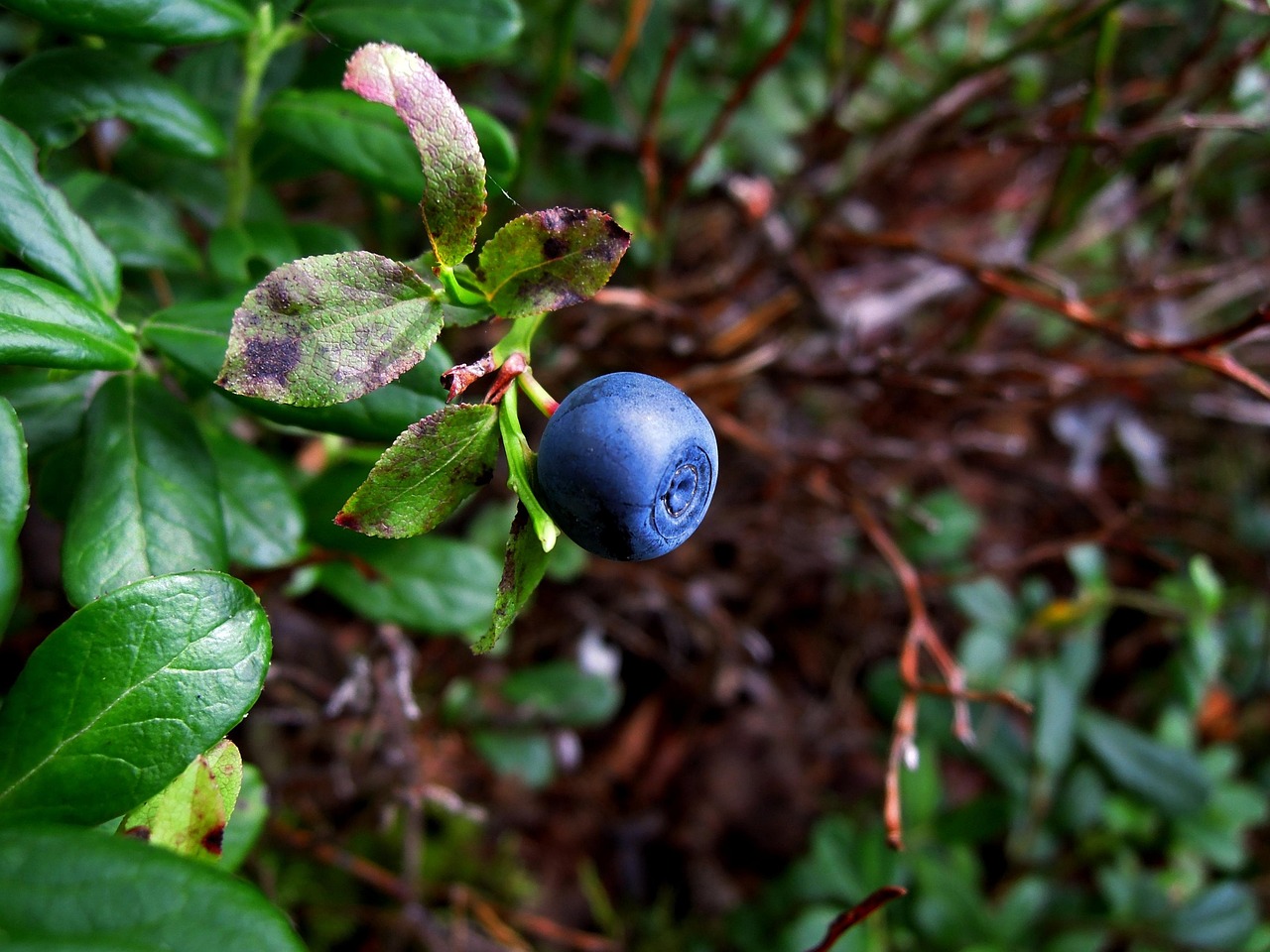
- January 21, 2026
- By Oliver Denver
Ever wondered about the little purple powerhouses popping up in your local market? We’re talking about Saskatoon berries and blueberries, two fantastic fruits that often get compared. They look a bit alike, and they’re both loaded with good stuff for your body. While both are nutritious, the choice between Saskatoon berry vs blueberry might come down to taste preference and availability, as both offer significant health advantages when added to a balanced diet. But what’s really the difference between a Saskatoon berry vs blueberry when it comes to what’s inside and how they can help you stay healthy? Let’s break it down.
Nutrition and Health Benefits
When you think of healthy berries, blueberries probably come to mind first. They’re everywhere, and for good reason! But have you ever tried a saskatoon berry? These little gems, native to North America, are often overlooked. This article is all about the saskatoon berry vs blueberry showdown. We’ll break down what makes each of these fruits special, looking at their nutritional punch and the health perks they offer. We’re going to compare their nutrient profiles, antioxidant power, and how they can benefit your body, from your heart to your brain.
So, what exactly are we comparing when we talk about saskatoon berry vs blueberry? It’s more than just taste. We’ll explore:
- Their unique nutritional makeups.
- The types and amounts of antioxidants they contain.
- Key vitamins and minerals that set them apart.
- Their impact on digestion and gut health.
- Benefits for heart and brain health.
- Their roles in fighting inflammation and protecting cells.
- How they might help manage blood sugar.
- Practical ways to enjoy both in your diet.
It’s time to get a clearer picture of the saskatoon berry vs blueberry, so you can make informed choices about which one, or both, to add to your plate.
Both Saskatoon berries and blueberries are nutritional powerhouses, but they do have distinct characteristics. Understanding these differences can help you appreciate the unique contributions each brings to a healthy diet. It’s not always about which is ‘better,’ but rather what each offers.
What Are Saskatoon Berries and Blueberries?
Alright, let’s get down to basics. We’re talking about two kinds of berries that often get lumped together, but they’ve got their own stories. First up, the Saskatoon berry. These little guys are native to North America, popping up on shrubs or small trees, especially in the prairie regions. They’re also known by other names like serviceberries or juneberries, depending on who you ask. Botanically speaking, they’re actually more like apples than true berries, belonging to the rose family. They have a sweet, slightly nutty flavor and a soft texture, often turning a deep blue or purple when ripe. They’ve been used for ages, not just as food but also historically for medicinal purposes by Indigenous peoples.
Then we have blueberries. These are probably more familiar to most of us. Blueberries grow on woody shrubs and are true berries. They’re famous for their vibrant blue color, which comes from those powerful antioxidants called anthocyanins. While they also have a long history of use, especially by Native Americans, they’re now a staple in diets worldwide, grown commercially in many places. The specific type we often see in stores is the highbush blueberry, but there are also lowbush varieties.
Here’s a quick look at how they stack up botanically:
- Saskatoon Berry:
- Botanical Name: Amelanchier alnifolia
- Family: Rosaceae (Rose family)
- Type: Pome (fruit with a core, like an apple)
- Origin: North America
- Blueberry:
- Botanical Name: Vaccinium species (e.g., Vaccinium corymbosum for highbush)
- Family: Ericaceae (Heath family)
- Type: True Berry
- Origin: North America
While they look similar and share some health perks, knowing their origins and botanical differences helps us appreciate each berry for what it is. It’s interesting how nature gives us such variety, right?
Both berries are pretty amazing in their own right, offering a good dose of nutrients and those beneficial plant compounds. You can find a lot of research on blueberry varieties and their specific properties, which is pretty neat.
Nutritional Profiles at a Glance
When you look at Saskatoon berries and blueberries side-by-side, they both pack a pretty good nutritional punch, but there are some differences worth noting. Think of them as cousins in the berry family – similar, but with their own unique traits.
Saskatoon berries tend to have a bit more fiber and certain minerals compared to blueberries.
Here’s a quick rundown of what you’re generally getting per 100 grams:
- Calories: Both are relatively low, usually hovering around 50-60 calories for blueberries and 85 for Saskatoon berries. Not a huge difference, but good to know.
- Fiber: This is where Saskatoon berries often shine, offering around 5-6 grams per 100g, which is quite a bit more than blueberries typically provide (around 2-3 grams).
- Sugars: Both have natural sugars, but blueberries usually have a bit less than Saskatoon berries.
- Vitamins: Both offer Vitamin C, but Saskatoon berries can have a notable amount of Vitamin E too. Blueberries are often highlighted for their Vitamin K content.
- Minerals: Saskatoon berries are particularly rich in manganese, often providing a significant portion of your daily needs in just one serving. They also tend to be higher in calcium and potassium.
It’s interesting to see how these small fruits stack up. While blueberries are famous for their antioxidant power, Saskatoon berries bring their own set of strengths to the table, especially in the fiber and mineral departments.
While the exact numbers can vary depending on ripeness and growing conditions, the general trend shows Saskatoon berries as a powerhouse for fiber and certain minerals, while blueberries are often celebrated for their specific antioxidant compounds.
Comparing Antioxidant Content
When we talk about berries, antioxidants are usually a big part of the conversation. These compounds are like the body’s defense team, fighting off unstable molecules called free radicals that can cause damage over time. Both Saskatoon berries and blueberries are packed with these helpful substances, but they have their own unique profiles.
Saskatoon berries are known for their high levels of anthocyanins, flavonols, and proanthocyanidins. Anthocyanins are the pigments that give many berries their deep red, purple, and blue colors, and they’re really good at neutralizing free radicals. Saskatoon berries also contain quercetin and epicatechin, which are other types of beneficial flavonoids. Studies have shown that different varieties of Saskatoon berries can have quite strong antioxidant activity, meaning they’re pretty effective at scavenging those harmful free radicals. The total amount of anthocyanins in a berry often lines up with how well it can fight off oxidative stress.
Blueberries, especially the wild ones, are also famous for their antioxidant power, particularly their anthocyanin content. They’re often highlighted for their contribution to overall health due to these compounds. While both berries share some common antioxidant compounds, the specific types and amounts can vary. This means they might offer slightly different, but equally important, protective benefits.
Here’s a general look at some key antioxidant players:
- Anthocyanins: Responsible for vibrant colors and strong antioxidant effects. Found in both, but amounts can differ.
- Flavonols (like Quercetin): These are common in many plants and contribute to antioxidant activity.
- Proanthocyanidins: These compounds, also known as condensed tannins, are powerful antioxidants and can influence flavor and texture.
The fight against free radicals is ongoing, and having a variety of antioxidant sources in your diet is a smart strategy. Both Saskatoon berries and blueberries bring their own strengths to the table, making them excellent choices for supporting your body’s natural defenses.
Vitamin and Mineral Differences
When we look at the vitamin and mineral breakdown, both Saskatoon berries and blueberries bring some good stuff to the table, but they do have their own little specialties. It’s not just about the big players like Vitamin C; there are other important minerals where these berries show some contrast.
Saskatoon berries really shine when it comes to manganese, offering a significant amount that contributes to bone health and metabolism. They also pack a decent punch of calcium, which is pretty neat if you’re looking for plant-based sources. Blueberries, on the other hand, are often highlighted for their Vitamin K content, which is important for blood clotting and bone health, and they tend to have a bit more Vitamin C than Saskatoon berries.
Here’s a quick look at some key differences per 100 grams:
| Nutrient | Saskatoon Berry (approx.) | Blueberry (approx.) |
| Manganese | 1.4 mg (70% DV) | 0.3 mg (15% DV) |
| Calcium | 42 mg (4% DV) | 6 mg (1% DV) |
| Vitamin C | 3.6 mg (4% DV) | 9.7 mg (11% DV) |
| Potassium | 162 mg (3% DV) | 84 mg (2% DV) |
| Vitamin K | Not significant | 19.8 mcg (17% DV) |
It’s interesting to see how these numbers stack up. For instance, if you’re really focused on boosting your manganese intake, Saskatoon berries are a clear winner. But if you’re aiming for more Vitamin C or Vitamin K, blueberries might be your go-to.
While both berries are good sources of various micronutrients, their profiles aren’t identical. Saskatoon berries offer a more robust manganese contribution, whereas blueberries tend to lead in Vitamin C and Vitamin K. This means the ‘better’ berry really depends on what specific nutrient you’re trying to get more of in your diet.
Beyond these highlighted nutrients, both berries also provide smaller amounts of other vitamins and minerals like Vitamin E, B vitamins, magnesium, and iron. It’s this combination of different micronutrients, alongside their antioxidant power, that makes both Saskatoon berries and blueberries valuable additions to a balanced diet.
Dietary Fiber and Digestive Health
When we talk about keeping our insides happy, fiber is a big deal. Both Saskatoon berries and blueberries bring their A-game when it comes to fiber, which is super important for keeping things moving smoothly through your digestive system. Think of fiber as the broom that sweeps your gut clean, helping to prevent constipation and keeping your digestive tract in good working order.
Saskatoon berries, in particular, pack a pretty good fiber punch. For every 100 grams, you’re looking at around 5.9 grams of total dietary fiber. That’s a solid amount, contributing about 20% of your daily recommended intake. This fiber helps feed the good bacteria in your gut, which is a win-win for your overall health. A happy gut microbiome is linked to better immunity and can even play a role in managing things like obesity and inflammation.
Blueberries also offer a good dose of fiber, though typically a bit less per serving than Saskatoon berries. Still, they’re a fantastic addition to a fiber-rich diet. The soluble fiber in both types of berries can help slow down digestion, which is great for keeping your blood sugar levels more stable after you eat. It also helps you feel fuller for longer, which can be helpful if you’re trying to manage your weight.
Here’s a quick look at how they stack up:
- Saskatoon Berries: Generally higher in fiber, contributing significantly to daily needs. They’ve shown promise in studies for improving gut bacteria profiles.
- Blueberries: A good source of fiber, supporting regular digestion and gut health.
The complex carbohydrates in these berries act as prebiotics, meaning they feed the beneficial bacteria already living in your gut. This interaction is key to maintaining a balanced gut environment, which influences everything from nutrient absorption to your immune response.
So, whether you’re reaching for a handful of fresh Saskatoon berries or adding blueberries to your morning yogurt, you’re doing your digestive system a real favor. They’re not just tasty; they’re working hard behind the scenes to keep you feeling good from the inside out.
Heart Health Benefits of Blueberries and Saskatoon Berries
When we talk about keeping our hearts happy and healthy, both blueberries and Saskatoon berries bring some serious game to the table. It’s not just about popping them in your mouth; these little powerhouses have compounds that can actually help your cardiovascular system.
Think about things like blood pressure and cholesterol – major players in heart health. Both types of berries are loaded with antioxidants, especially anthocyanins. These are the pigments that give them their deep colors, and they’re fantastic at fighting off damage in your body. For your heart, this means they can help keep your blood vessels flexible and prevent them from getting clogged up. Studies suggest these compounds can interfere with the processes that lead to things like high LDL cholesterol, which is definitely not what you want for your ticker.
Here’s a quick look at what makes them good for your heart:
- Antioxidant Powerhouses: They combat free radicals that can harm your blood vessels.
- Blood Vessel Support: Helps keep arteries clear and blood flowing smoothly.
- Cholesterol Management: May play a role in keeping LDL cholesterol in check.
- Inflammation Reduction: Their anti-inflammatory properties benefit overall cardiovascular health.
It’s pretty neat how something as simple as a berry can have such a complex positive effect on something as vital as your heart. They’re not magic cures, of course, but adding them to your diet regularly seems like a really smart move for long-term heart health.
While both berries offer these benefits, Saskatoon berries sometimes pack a bit more of certain compounds, like specific types of anthocyanins, which have shown promise in protecting against cardiovascular disease. Blueberries, on the other hand, are widely studied and consistently show benefits for heart health. So, whether you’re reaching for a pint of blueberries or a handful of Saskatoon berries, you’re making a good choice for your heart.
Cognitive and Brain Health Potential
When we talk about keeping our brains sharp as we get older, berries often come up. Both Saskatoon berries and blueberries are packed with compounds that might help protect our brain cells and keep our memory working well. It’s mostly about the antioxidants they contain.
These little powerhouses, especially anthocyanins, are thought to help fight off damage from unstable molecules called free radicals. Think of it like rust on a car, but happening inside your body. By neutralizing these free radicals, antioxidants can help slow down the aging process in brain cells. This could mean better memory and thinking skills down the line. Some research even suggests that higher levels of certain compounds in the brain are linked to better cognitive functions, like remembering things and problem-solving. It’s pretty interesting stuff.
Here’s a quick look at what makes them good for your brain:
- Antioxidant Powerhouses: Both berries are rich in antioxidants, which combat oxidative stress. This stress can damage brain cells over time.
- Improved Blood Flow: Antioxidants can help keep blood vessels healthy, meaning more oxygen-rich blood can get to your brain. Good blood flow is key to brain function.
- Reduced Inflammation: Chronic inflammation is linked to brain aging. The anti-inflammatory properties of these berries may offer some protection.
While more studies are always needed, especially in humans, the evidence points towards these berries being a smart addition to your diet if you’re thinking about long-term brain health. They’re a tasty way to potentially support your memory and cognitive abilities as you age. It’s amazing how much good stuff can be found in these small fruits, and it’s worth exploring how they fit into a healthy lifestyle. You can find more information on how these compounds work in the brain on pages discussing brain health and glutathione.
The compounds found in berries, like anthocyanins, are thought to cross the blood-brain barrier, meaning they can directly interact with brain tissue. This direct action is a key reason why they are studied for their potential to support cognitive function and protect against age-related decline.
Anti-Inflammatory and Free-Radical Protection
Both Saskatoon berries and blueberries are packed with compounds that help your body fight off damage from unstable molecules called free radicals. Think of these free radicals like tiny troublemakers that can cause harm over time, leading to inflammation and other issues. The good news is that these berries have natural defenses.
The real stars here are the phytochemicals, especially a group called anthocyanins. These are the pigments that give many berries their vibrant colors, from the deep blues of blueberries to the purplish-reds of Saskatoon berries. Anthocyanins are powerful antioxidants, meaning they can neutralize those free radicals before they do damage. They also play a role in calming down inflammation in the body.
Here’s a quick look at what makes them so effective:
- Antioxidant Power: Both berry types show strong abilities to scavenge free radicals. This means they can help protect your cells from oxidative stress, which is linked to aging and various diseases.
- Inflammation Fighters: Studies suggest that compounds in Saskatoon berries, for instance, can help reduce the production of certain molecules that promote inflammation in the body. This is partly due to their anthocyanin content, which has been shown to interact with enzymes involved in the inflammatory process.
- Cell Protection: The polyphenols found in these berries can help shield your body’s membranes and even protect your DNA from damage. They also influence how your body handles fats, which is another layer of protection.
It’s pretty amazing how nature packs so much protective power into small fruits. The vibrant colors aren’t just for show; they’re a sign of the potent compounds working to keep your body healthy at a cellular level. Incorporating these berries into your diet is a simple way to get a dose of these natural defenders.
While both berries offer these benefits, the specific types and amounts of these beneficial compounds can vary. Blueberries are often highlighted for their high anthocyanin levels, but Saskatoon berries are also rich sources, with studies identifying specific anthocyanins like cyanidin-3-galactoside and cyanidin-glucoside as abundant. This means you’re getting a good dose of anti-inflammatory and free-radical-fighting action no matter which one you choose.
Blood Sugar Regulation and Metabolic Effects
When we talk about keeping our blood sugar in check, both Saskatoon berries and blueberries bring some serious game to the table, thanks to their fiber and antioxidant content. It’s not just about sweetness; it’s about how these berries interact with our bodies.
Saskatoon berries, in particular, have a history of traditional use for managing blood sugar. Modern research is starting to back this up. Studies show that compounds in Saskatoon berries can help slow down how quickly our bodies absorb carbohydrates. This means less of a spike in blood glucose after eating. They also seem to interfere with enzymes that break down starches, which is another way they help keep things steady.
Blueberries are also known for their positive impact. Their fiber content helps slow digestion, leading to a more gradual rise in blood sugar. Plus, the antioxidants, especially anthocyanins, play a role in improving how our cells respond to insulin.
Here’s a quick look at what makes them helpful:
- Fiber Content: Both berries are good sources of dietary fiber, which is key to slowing sugar absorption.
- Antioxidant Power: Compounds like anthocyanins in both berries may help improve insulin sensitivity and protect cells from damage related to high blood sugar.
- Enzyme Inhibition: Some research suggests Saskatoon berries can inhibit enzymes that digest carbs, further aiding in blood sugar control.
The way these berries influence our metabolism is pretty neat. It’s not just about the immediate effect on blood sugar, but also about their potential long-term benefits for metabolic health. Think of it as a gentle nudge towards better balance.
While both are great, Saskatoon berries might have a slight edge in some specific mechanisms related to carbohydrate absorption and enzyme activity, according to some studies. However, for overall metabolic health and blood sugar management, incorporating either or both into your diet is a smart move. It’s all part of supporting your body’s natural processes, and for those looking to manage glucose levels, these berries are a natural ally. You can find berries like these in various health food products, sometimes even in supplements designed to aid nutrient uptake, like those that help with blood glucose into muscle cells.
Ultimately, the fiber and antioxidant synergy in both Saskatoon berries and blueberries makes them excellent choices for supporting stable blood sugar levels and overall metabolic well-being.

Culinary Uses and Practical Dietary Tips
So, you’ve learned all about how good Saskatoon berries and blueberries are for you, but how do you actually get them into your diet without it feeling like a chore? The good news is, both are super versatile. You can enjoy them fresh, frozen, or even dried, making them accessible year-round.
Saskatoon berries, with their slightly nutty and sweet-tart flavor, are fantastic in baked goods. Think pies, muffins, or even a simple crumble. They also hold up well when cooked, so jams and syrups are a great way to preserve their taste. If you’re lucky enough to pick your own, eating them fresh with a bit of cream or yogurt is pure bliss. They’re also a great addition to smoothies, adding a unique depth of flavor. For a real treat, try a Wild Saskatoon Berry Crumble.
Blueberries, on the other hand, are a bit more of an all-rounder. They’re perfect for snacking straight from the punnet, tossing into salads, or blending into smoothies. Their sweetness makes them a natural fit for breakfast foods like oatmeal, pancakes, and yogurt parfaits. Frozen blueberries are just as good as fresh for most uses, especially in baking or smoothies, and they’re often more budget-friendly.
Here are a few ideas to get you started:
- Breakfast Boost: Add a handful of either berry to your morning cereal, oatmeal, or yogurt. A blueberry smoothie is also a quick and easy way to start the day.
- Baking Buddies: Incorporate them into muffins, scones, or quick breads. Saskatoon berries are particularly good in pies, while blueberries shine in pancakes.
- Savory Surprises: Don’t shy away from adding berries to salads. A balsamic vinaigrette with a few blueberries or Saskatoon berries can be surprisingly delicious.
When incorporating these berries into your diet, remember that processing can affect nutrient levels. While freezing is generally good at preserving nutrients, excessive heat or long cooking times might reduce some of the beneficial compounds. Aim for minimal processing where possible to get the most health bang for your buck.
Here’s a quick look at how they stack up in some common uses:
| Use Case | Saskatoon Berries | Blueberries |
| Fresh Snacking | Excellent, sweet-tart flavor | Excellent, sweet, and slightly tart |
| Baking (Pies) | Great, holds shape well | Good, can become softer |
| Smoothies | Adds unique earthy sweetness | Adds classic berry flavor and color |
| Jams/Syrups | Fantastic, rich flavor | Very popular, sweet, and vibrant |
| Salads | Adds a chewy, sweet-tart element | Adds a burst of sweetness and color |
Which Berry Is Best for You?
So, we’ve gone through the nitty-gritty of Saskatoon berries and blueberries, looking at what makes them tick nutritionally and what good they can do for our bodies. It’s clear that both are pretty amazing little fruits, each with its own strengths.
Saskatoon berries, with their slightly nutty, almond-like flavor, really shine when it comes to certain vitamins and minerals. They often pack a bigger punch of Vitamin C and calcium compared to blueberries. Plus, their antioxidant profile, rich in anthocyanins and beta-carotene, is fantastic for fighting off those pesky free radicals and keeping inflammation in check. Historically, they’ve even been used for medicinal purposes, which tells you something about their potent compounds.
Blueberries, on the other hand, are the well-known champions of antioxidants, particularly anthocyanins, which give them their signature blue hue and are linked to brain health and reduced risk of chronic diseases. They’re also a good source of fiber and other essential vitamins and minerals.
Here’s a quick rundown to help you decide:
- For a Vitamin C and Calcium Boost: Saskatoon berries might be your go-to.
- For Top-Tier Antioxidant Power (especially for brain health): Blueberries are hard to beat.
- For Digestive Health: Both offer good amounts of fiber, so either will help keep things moving.
- For Heart Health: Both berries contribute positively through their antioxidant and anti-inflammatory properties.
Ultimately, the “best” berry isn’t a one-size-fits-all answer. It really depends on what you’re looking for and what you enjoy eating. Incorporating a variety of berries into your diet is the most sensible approach to reap the diverse health benefits they offer. Think of it like this: why choose just one superhero when you can have a whole team? Mix them into your smoothies, sprinkle them on your yogurt, bake with them, or just eat them by the handful. Your body will thank you for the colorful, nutrient-dense additions.
Deciding between Saskatoon berries and blueberries for your diet? Both are packed with good stuff, but they offer slightly different benefits. Learn which one might be the perfect fit for your health goals. Ready to make a tasty and healthy choice? Visit our website to explore more about these amazing berries!
So, Which Berry Wins?
Alright, so we’ve looked at both Saskatoon berries and blueberries. Both are pretty great, honestly. Blueberries are super common and easy to find, and they’ve got their own set of good stuff going on. But Saskatoon berries? They’re like the underdog with a secret weapon. They pack a serious punch when it comes to certain vitamins and minerals, like way more calcium and vitamin C than your average blueberry. Plus, their unique flavor is a nice change of pace. Whether you’re grabbing a handful of blueberries or seeking out some Saskatoons, you’re doing your body a favor. Maybe try mixing them up in your smoothies or snacks – variety is the spice of life, right?
Frequently Asked Questions
Are Saskatoon berries healthier than blueberries?
Both Saskatoon berries and blueberries are super healthy! Saskatoon berries actually have more vitamin C and calcium than blueberries. They are also packed with antioxidants, which are like little bodyguards for your cells, helping to fight off damage. Blueberries are also famous for their antioxidants, especially the ones that are good for your brain.
What do Saskatoon berries taste like?
Saskatoon berries have a unique taste that’s a mix of sweet and a little bit tart, with a hint of almond or nutty flavor. They’re juicy and can be a bit earthy. Their flavor is delicious when they’re fresh, especially right after they’ve been picked.
Can Saskatoon berries help with digestion?
Yes, they can! Saskatoon berries are a good source of dietary fiber, which is super important for keeping your digestive system happy and running smoothly. Fiber helps things move along and can also feed the good bacteria in your gut.
Are Saskatoon berries good for your heart?
Studies suggest that the antioxidants and other good stuff in Saskatoon berries can help support heart health. They might help keep your blood vessels healthy and could play a role in managing blood pressure and cholesterol levels, which are key to a healthy heart.
What are the main differences in nutrients between Saskatoon berries and blueberries?
While both are nutritional powerhouses, Saskatoon berries tend to have higher amounts of Vitamin C and calcium compared to blueberries. Both are rich in fiber and antioxidants, but the specific types and amounts can vary, offering slightly different health perks.
How can I eat Saskatoon berries?
You can enjoy Saskatoon berries in many ways! Eat them fresh, toss them in smoothies, bake them into pies or muffins, or make jams and jellies. They’re also great on top of cereal or yogurt. If they’re not in season, look for frozen ones, which are available year-round.
Do Saskatoon berries have any special health benefits?
Saskatoon berries are known for their strong antioxidant and anti-inflammatory properties, thanks to compounds like anthocyanins. They might also help with blood sugar control and have shown potential in protecting against certain types of cancer and supporting brain health.
Where do Saskatoon berries come from?
Saskatoon berries are native to North America, particularly the prairie regions of Canada and parts of the northwestern United States. They grow on shrubs and are sometimes called ‘serviceberries’ or ‘juneberries’, depending on the area.